Introduction to Human CD183/CXCR3 HEK293T Stable Cell Line
The Human CD183/CXCR3 HEK293T Stable Cell Line is a valuable tool for studying the structure, activity and application of the chemokine receptor CXCR3. This stable cell line is derived from the HEK293T cell line, a commonly used human embryonic kidney cell line that exhibits robust growth and transfection efficiency. The stable expression of CD183/CXCR3 in these cells allows for consistent and reliable results in various applications, making it a popular choice among researchers.
Structure of CXCR3
CXCR3 is a G protein-coupled receptor (GPCR) that is predominantly expressed on immune cells, such as T cells, B cells, and natural killer cells. It is a seven-transmembrane receptor that is activated by three chemokine ligands: CXCL9, CXCL10, and CXCL11. These ligands bind to the extracellular domain of CXCR3, triggering a signaling cascade that leads to various cellular responses.
The Human CD183/CXCR3 HEK293T Stable Cell Line expresses the full-length CXCR3 protein, ensuring that all functional domains of the receptor are present. This allows for a more accurate representation of CXCR3 signaling and activity in various experimental conditions.
Activity of CXCR3
The main function of CXCR3 is to regulate the migration and activation of immune cells in response to inflammation or infection. Upon ligand binding, CXCR3 activates signaling pathways that lead to the recruitment of immune cells to the site of inflammation or infection. This is crucial for the immune response to pathogens and plays a role in various diseases, such as autoimmune disorders and cancer.
The Human CD183/CXCR3 HEK293T Stable Cell Line can be used to study the activity of CXCR3 in a controlled environment. By manipulating the levels of CXCR3 expression or the presence of its ligands, researchers can investigate the effects of CXCR3 activation on different immune cell types. This can provide valuable insights into the role of CXCR3 in various diseases and help identify potential therapeutic targets.
Application of Human CD183/CXCR3 HEK293T Stable Cell Line
The Human CD183/CXCR3 HEK293T Stable Cell Line has a wide range of applications in both basic and applied research. Some of the most common uses of this stable cell line include:
- Flow cytometry: The stable expression of CXCR3 in HEK293T cells allows for the detection and analysis of CXCR3-expressing cells using flow cytometry. This is useful for studying the expression levels of CXCR3 in different cell types and under different experimental conditions.
- Cell migration assays: CXCR3 is known to play a role in cell migration, and the Human CD183/CXCR3 HEK293T Stable Cell Line can be used in migration assays to study the effects of CXCR3 activation on immune cell migration.
- Drug screening: CXCR3 is a potential therapeutic target for various diseases, and the Human CD183/CXCR3 HEK293T Stable Cell Line can be used in drug screening assays to identify compounds that can modulate CXCR3 activity.
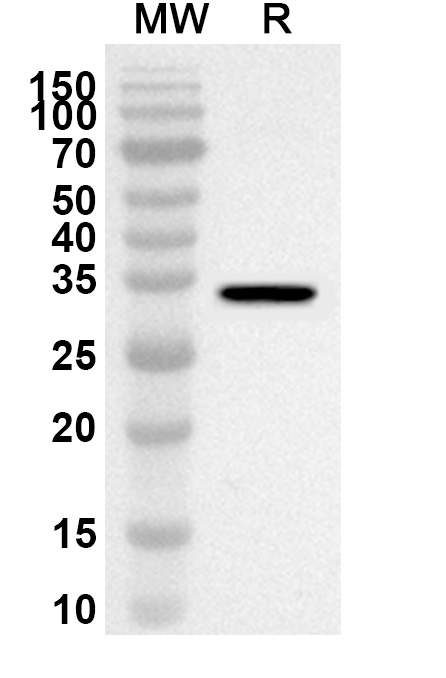
In addition to these applications, the Human CD183/CXCR3 HEK293T Stable Cell Line can also be used in other experimental techniques, such as immunofluorescence, western blotting, and ELISA, to study the structure and function of CXCR3.
Conclusion
The Human CD183/CXCR3 HEK293T Stable Cell Line is a valuable tool for studying the structure, activity, and application of CXCR3.


There are no reviews yet.