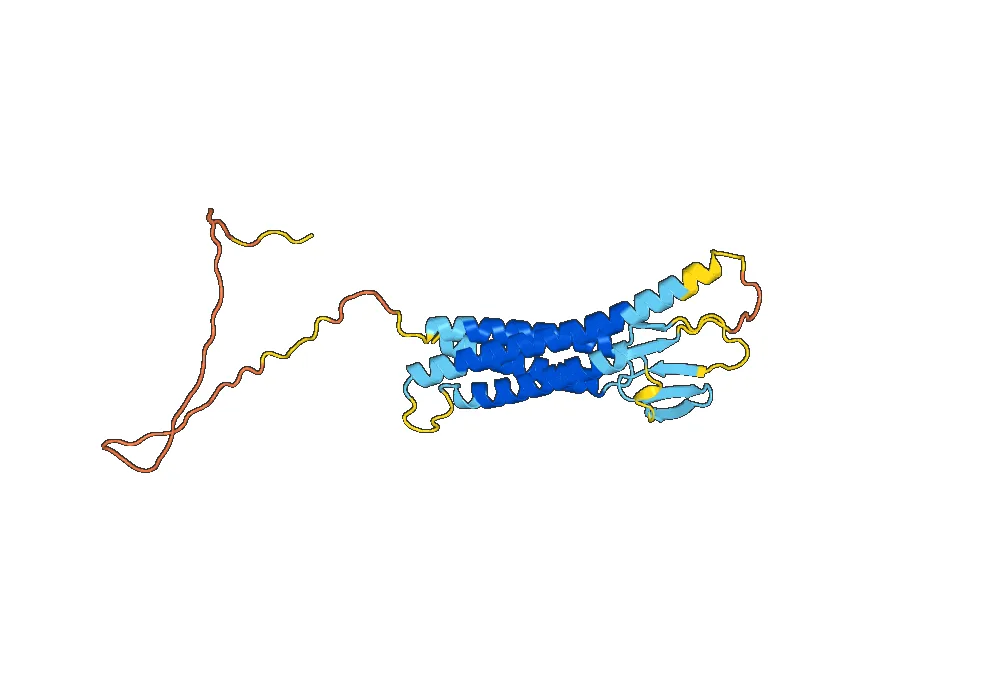
The Structure of Human CLDN18.2 HEK293T Stable Cell Line
The Human CLDN18.2 HEK293T Stable Cell Line is a genetically modified cell line that expresses the human CLDN18.2 gene. This gene encodes for the claudin-18.2 protein, which is a member of the claudin family of tight junction proteins. The claudin proteins are crucial for the formation and maintenance of tight junctions, which are specialized structures that regulate the movement of substances between cells.
The Human CLDN18.2 HEK293T Stable Cell Line was created by introducing the CLDN18.2 gene into HEK293T cells, a human embryonic kidney cell line that is commonly used in research. The cells were then selected and maintained in culture to ensure stable expression of the CLDN18.2 gene. This cell line is a valuable tool for studying the function of CLDN18.2 and its role in various cellular processes.
The Activity of Human CLDN18.2 HEK293T Stable Cell Line
The main activity of the Human CLDN18.2 HEK293T Stable Cell Line is the expression of the CLDN18.2 protein. This protein is a transmembrane protein that spans the cell membrane and is involved in the formation of tight junctions. It is also known to play a role in cell adhesion, migration, and signaling.
The tight junctions formed by the CLDN18.2 protein play a crucial role in maintaining the integrity of epithelial tissues. These tissues line the surfaces and cavities of the body and serve as a barrier against harmful substances. The CLDN18.2 protein helps to seal the gaps between cells, preventing the movement of substances between them. This is important for regulating the transport of nutrients and waste products, as well as protecting the body from pathogens and toxins.
Additionally, the CLDN18.2 protein has been linked to various cellular processes, including cell proliferation, differentiation, and apoptosis. It is also involved in cell signaling pathways, such as the Wnt/β-catenin pathway, which plays a crucial role in development, tissue homeostasis, and disease.
The Application of Human CLDN18.2 HEK293T Stable Cell Line
The Human CLDN18.2 HEK293T Stable Cell Line has a wide range of applications in scientific research. One of its main uses is in the study of tight junctions and their role in epithelial tissues. Researchers can use this cell line to investigate the function of CLDN18.2 in the formation and maintenance of tight junctions, as well as its involvement in various cellular processes.
Another important application of this cell line is in the development of therapeutic strategies targeting CLDN18.2. The overexpression of CLDN18.2 has been observed in various types of cancer, including gastric, pancreatic, and lung cancer. This makes it a potential therapeutic target for the treatment of these cancers. The Human CLDN18.2 HEK293T Stable Cell Line can be used to screen potential drugs or other compounds that can inhibit the activity of CLDN18.2 and potentially slow the progression of these cancers.
The Human CLDN18.2 HEK293T Stable Cell Line is also useful for studying the role of CLDN18.2 in diseases and disorders. For example, mutations in the CLDN18.2 gene have been associated with congenital nephrotic syndrome, a rare kidney disorder. By studying this cell line, researchers can gain a better understanding of the role of CLDN18.2 in this disorder and potentially develop new treatments.
Using Flow Cytometry to Study Human CLDN18.2 HEK293T Stable Cell Line
One of the techniques commonly used to study the Human CLDN18.2 HEK293T Stable Cell Line is flow cytometry.

There are no reviews yet.