Introduction
E omega DT/Diphtheria toxin Antibody (DTD4) Biosimilar, also known as Anti-Diphtheria toxin mAb, is a research grade antibody that specifically targets the diphtheria toxin. This antibody has been developed as a biosimilar to the original E omega DT/Diphtheria toxin Antibody, which is a therapeutic antibody used for the treatment of diphtheria. In this article, we will discuss the structure, activity, and application of this biosimilar antibody.
Structure of E omega DT/Diphtheria toxin Antibody (DTD4) Biosimilar
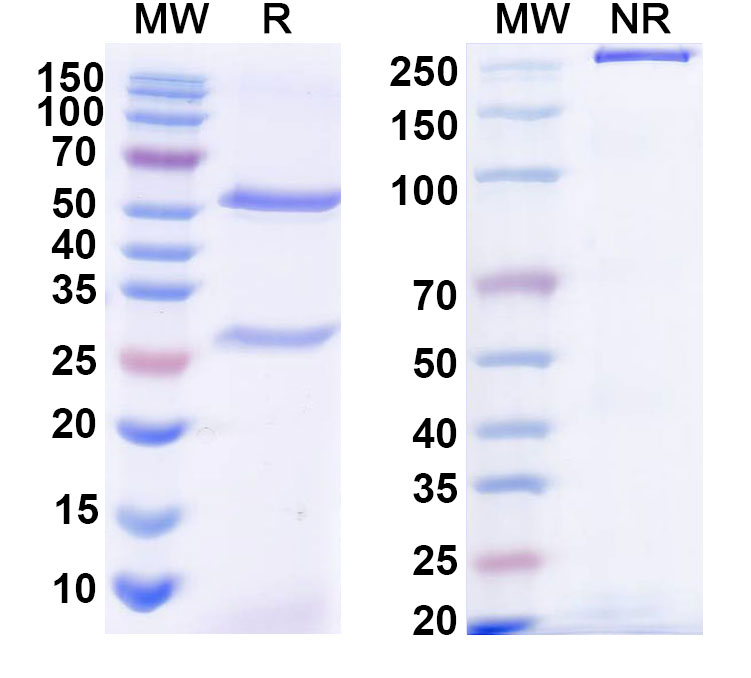
The E omega DT/Diphtheria toxin Antibody (DTD4) Biosimilar is a monoclonal antibody, which means it is made up of identical copies of a single type of antibody. It is composed of two heavy chains and two light chains, which are connected by disulfide bonds. The heavy chains are about 50 kDa in size and contain the antigen binding sites, while the light chains are about 25 kDa in size and are responsible for stabilizing the structure of the antibody.
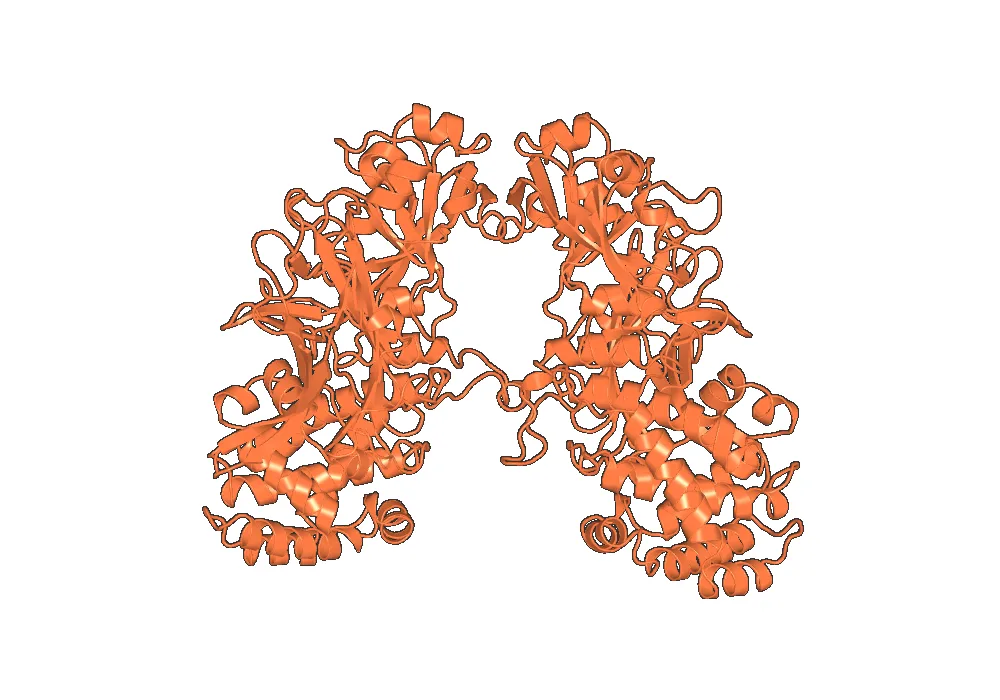
The amino acid sequence of DTD4 is highly similar to the original E omega DT/Diphtheria toxin Antibody, with only minor differences in the variable regions. This ensures that DTD4 has a similar structure and function as the original antibody, making it a suitable biosimilar.
Activity of E omega DT/Diphtheria toxin Antibody (DTD4) Biosimilar
DTD4 specifically targets the diphtheria toxin, which is produced by the bacteria Corynebacterium diphtheriae. This toxin is responsible for the symptoms of diphtheria, which include a thick grayish membrane in the throat, difficulty breathing, and potentially fatal heart and nerve damage.
DTD4 works by binding to the diphtheria toxin and preventing it from attaching to and entering human cells. This effectively neutralizes the toxin and prevents it from causing harm. DTD4 has been shown to have a high affinity for the diphtheria toxin, making it a potent inhibitor of the toxin’s activity.
Application of E omega DT/Diphtheria toxin Antibody (DTD4) Biosimilar
DTD4 has potential applications in both research and clinical settings. In research, it can be used as a tool to study the structure and function of the diphtheria toxin. It can also be used in diagnostic assays to detect the presence of the toxin in clinical samples.
In clinical settings, DTD4 can be used as a biosimilar to the original E omega DT/Diphtheria toxin Antibody for the treatment of diphtheria. This biosimilar antibody offers a cost-effective alternative to the original antibody, making it more accessible for patients in need.
DTD4 may also have potential as a prophylactic treatment for individuals who have been exposed to the diphtheria toxin. By administering DTD4, the toxin can be neutralized before it causes any harm. This could be particularly beneficial in regions where diphtheria is prevalent.
Conclusion
E omega DT/Diphtheria toxin Antibody (DTD4) Biosimilar is a research grade antibody that specifically targets the diphtheria toxin. Its structure is similar to the original antibody and it has a high affinity for the toxin. DTD4 has potential applications in both research and clinical settings, making it a valuable tool for studying and treating diphtheria. This biosimilar antibody offers a cost-effective alternative to the original antibody, making it more accessible for patients in need.


There are no reviews yet.