Introduction to Leronlimab Biosimilar: Anti-CCR5, CD195 mAb
Leronlimab Biosimilar is a monoclonal antibody (mAb) that targets the C-C chemokine receptor type 5 (CCR5), also known as CD195. This biosimilar is a research grade version of the original Leronlimab, which has been approved by the FDA for the treatment of HIV/AIDS. The biosimilar version is currently in development for various therapeutic applications and has shown promising results in preclinical studies. In this article, we will explore the structure, activity, and potential applications of Leronlimab Biosimilar.
Structure of Leronlimab Biosimilar
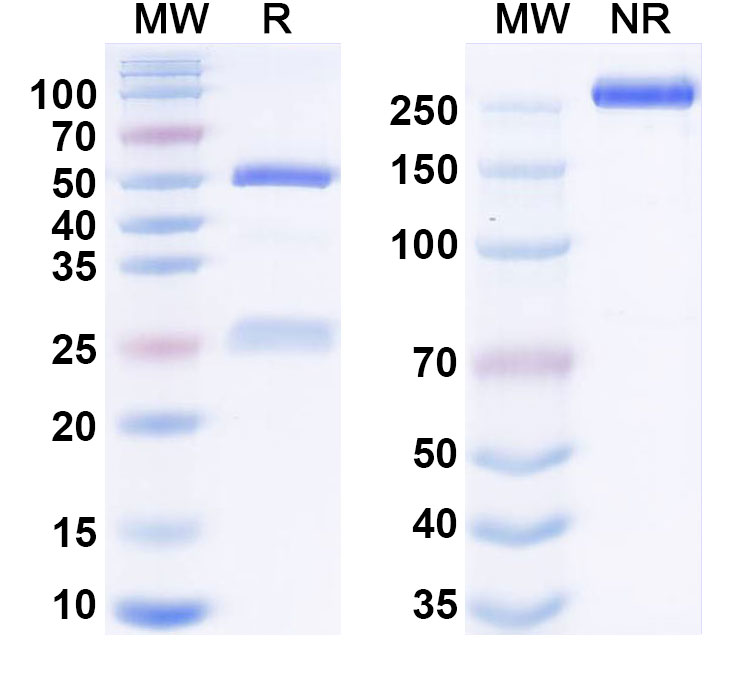
Leronlimab Biosimilar is a recombinant humanized IgG4 monoclonal antibody that is produced using Chinese hamster ovary (CHO) cells. It has a molecular weight of approximately 148 kDa and consists of two heavy chains and two light chains. The heavy chains are composed of four constant domains (CH1, CH2, CH3, and CH4) and one variable domain (VH), while the light chains contain two constant domains (CL and CL2) and one variable domain (VL). The variable domains are responsible for binding to the target antigen, CCR5.
Activity of Leronlimab Biosimilar
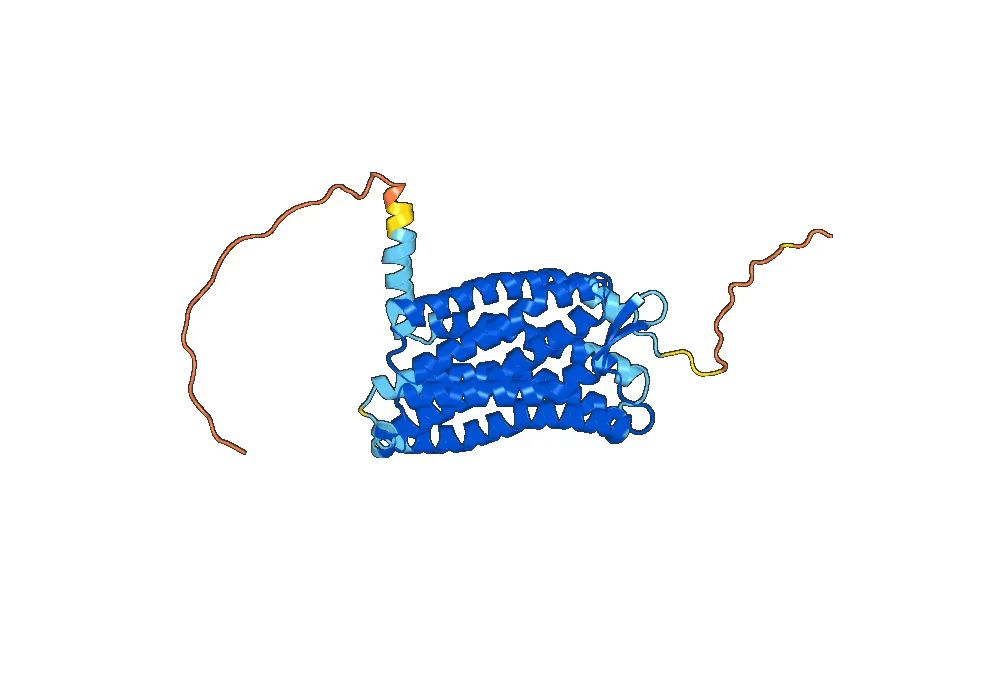
Leronlimab Biosimilar works by binding to the CCR5 receptor on the surface of immune cells, specifically T-cells and macrophages. This receptor is a co-receptor for the human immunodeficiency virus (HIV), which uses it to enter and infect immune cells. By binding to CCR5, Leronlimab Biosimilar blocks the entry of HIV into the cells, preventing infection. This mechanism of action is similar to the original Leronlimab and has been shown to be effective in clinical trials for the treatment of HIV.
In addition to its activity against HIV, Leronlimab Biosimilar has also been found to have anti-inflammatory properties. CCR5 is not only a receptor for HIV, but it is also involved in the recruitment of immune cells to sites of inflammation. By blocking CCR5, Leronlimab Biosimilar can reduce the influx of immune cells and decrease inflammation in various disease conditions.
Potential Applications of Leronlimab Biosimilar
Leronlimab Biosimilar has the potential to be used in various therapeutic applications due to its ability to block CCR5 and modulate immune responses. Some of the potential applications include:
HIV/AIDS Treatment As mentioned earlier, the original Leronlimab has been approved by the FDA for the treatment of HIV/AIDS. The biosimilar version is currently in development and has shown promising results in preclinical studies. It is expected to have a similar efficacy and safety profile as the original drug, making it a potential alternative for patients who are unable to tolerate or have developed resistance to other HIV medications.
Inflammatory Diseases
The anti-inflammatory properties of Leronlimab Biosimilar make it a potential candidate for the treatment of various inflammatory diseases, such as rheumatoid arthritis, multiple sclerosis, and Crohn’s disease. In a preclinical study, Leronlimab Biosimilar was found to reduce inflammation and improve symptoms in a mouse model of rheumatoid arthritis. Further clinical trials are needed to evaluate its efficacy and safety in humans.
Cancer Treatment
CCR5 has been shown to play a role in the growth and spread of certain types of cancer, such as breast and prostate cancer. Leronlimab Biosimilar has the potential to inhibit the growth and metastasis of these cancers by blocking CCR5. It has also been found to enhance the effectiveness of chemotherapy in preclinical studies. Clinical trials are currently underway to evaluate its potential as a cancer treatment.
Organ Transplantation
Organ transplantation often requires the use of immunosuppressive drugs to prevent rejection of the transplanted organ. However, these drugs can increase

There are no reviews yet.