The Structure of Orilanolimab Biosimilar – Anti-FCGRT mAb
Orilanolimab Biosimilar is a monoclonal antibody (mAb) that targets the Fc-gamma receptor (FCGR) recycling protein (FCGRT). It is a research grade antibody that has been developed as a biosimilar to the original Orilanolimab, which is used as a therapeutic drug for autoimmune diseases. The biosimilar version has been designed to have a similar structure and function to the original, but at a lower cost.
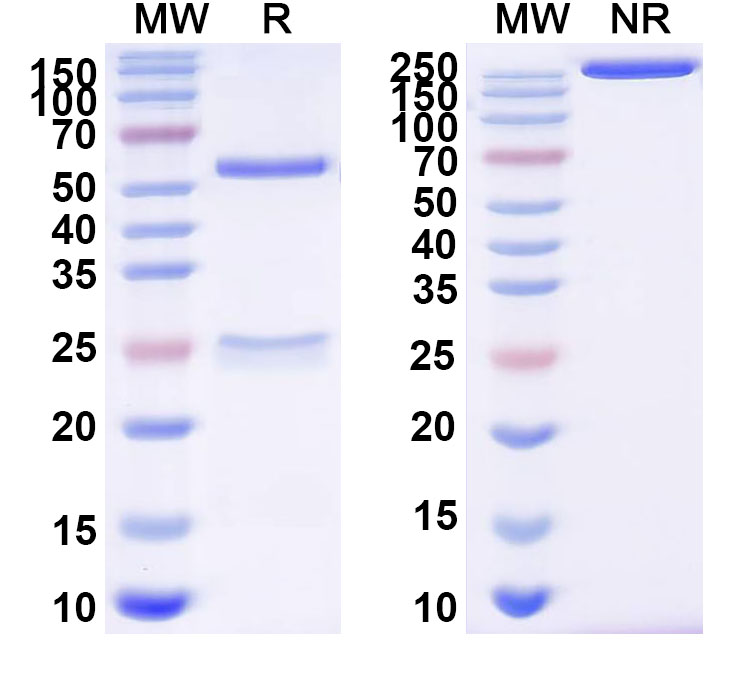
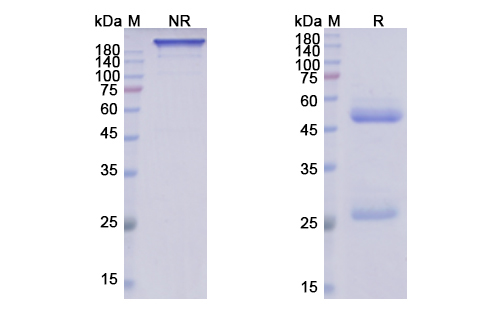
The structure of Orilanolimab Biosimilar is composed of two identical heavy chains and two identical light chains, connected by disulfide bonds. The heavy chains have a molecular weight of approximately 50 kDa, while the light chains have a molecular weight of approximately 25 kDa. The overall molecular weight of the antibody is approximately 150 kDa.
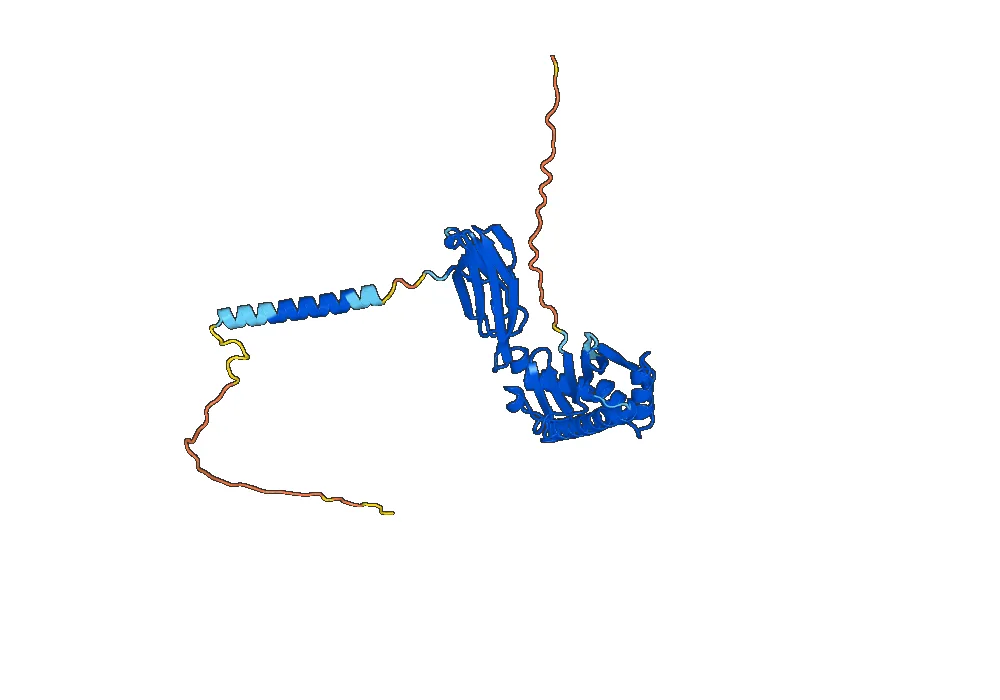
The heavy chains of Orilanolimab Biosimilar contain four constant domains (CH1, CH2, CH3, and CH4) and one variable domain (VH). The light chains contain two constant domains (CL and CL2) and one variable domain (VL). The variable domains are responsible for binding to the target protein, FCGRT.
The Activity of Orilanolimab Biosimilar – Anti-FCGRT mAb
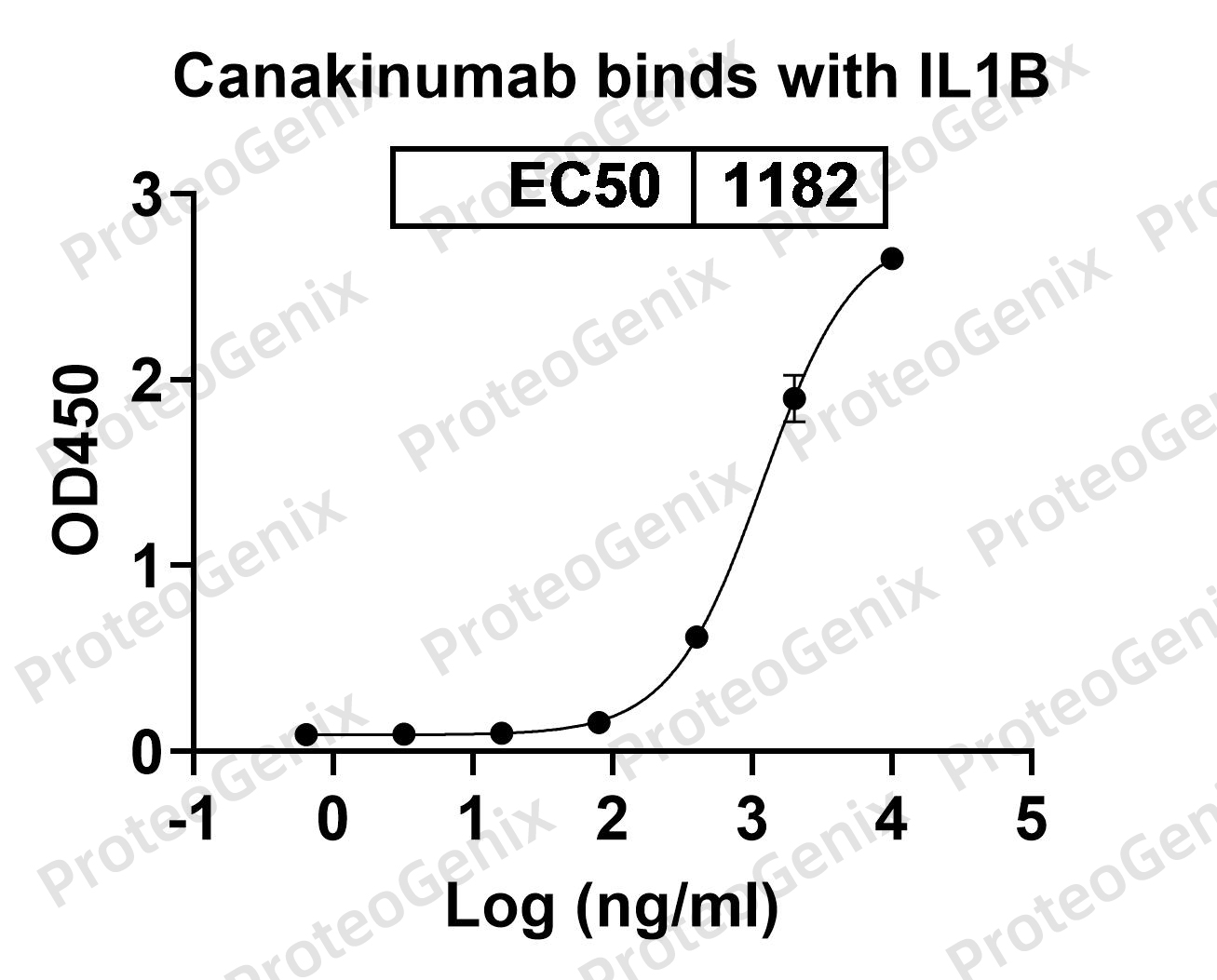
The primary activity of Orilanolimab Biosimilar is its ability to bind to FCGRT with high specificity and affinity. FCGRT is a protein that is expressed on the surface of cells in the immune system, including B cells and macrophages. It plays a crucial role in the recycling of immunoglobulin G (IgG) antibodies, which are important components of the immune response.
By binding to FCGRT, Orilanolimab Biosimilar blocks the recycling of IgG antibodies, leading to a decrease in the levels of these antibodies in the body. This can be beneficial in autoimmune diseases, where the immune system mistakenly attacks the body’s own tissues. By reducing the levels of IgG antibodies, Orilanolimab Biosimilar helps to decrease the immune response and prevent damage to the body’s tissues.
Orilanolimab Biosimilar also has anti-inflammatory properties, which can further contribute to its therapeutic effects. It has been shown to inhibit the production of pro-inflammatory cytokines, such as interleukin-6 (IL-6) and tumor necrosis factor-alpha (TNF-α), which play a role in the development of autoimmune diseases.
The Application of Orilanolimab Biosimilar – Anti-FCGRT mAb
Orilanolimab Biosimilar has potential applications in the treatment of various autoimmune diseases, including rheumatoid arthritis, systemic lupus erythematosus, and psoriasis. It can also be used in the management of immune-mediated disorders, such as immune thrombocytopenia and hemolytic anemia.
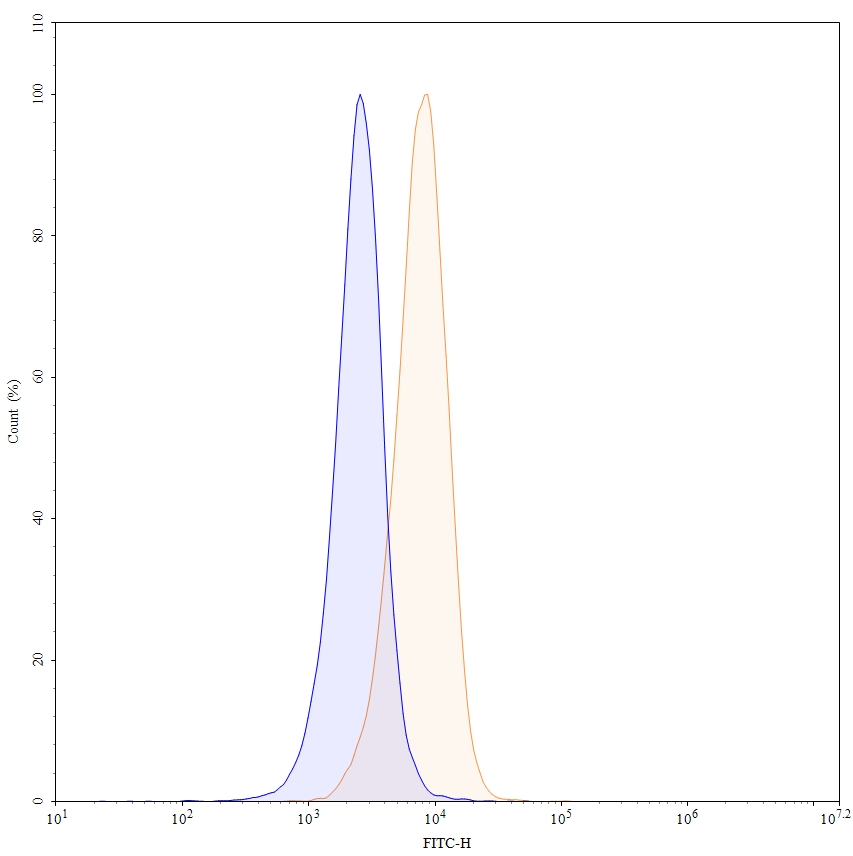
As a research grade antibody, Orilanolimab Biosimilar can also be used in laboratory studies to investigate the role of FCGRT in the immune system and its potential as a therapeutic target. It can be used in cell-based assays to study the binding and activity of the antibody, as well as in animal models to evaluate its efficacy and safety.
In addition, Orilanolimab Biosimilar can be used as a biosimilar to the original Orilanolimab in clinical trials. This can provide a more affordable alternative for patients and potentially increase access to this effective treatment.
Conclusion
In summary, Orilanolimab Biosimilar is a research grade monoclonal antibody that targets the FCGRT protein in the immune system. Its structure consists of two heavy chains and two light chains, with variable domains responsible for binding to FCGRT. Its primary activity is the inhibition of IgG recycling, which can be beneficial in autoimmune diseases. Its potential applications include the treatment of autoimmune diseases and immune-mediated disorders, as well as its use in laboratory studies and clinical trials.



There are no reviews yet.