Introduction
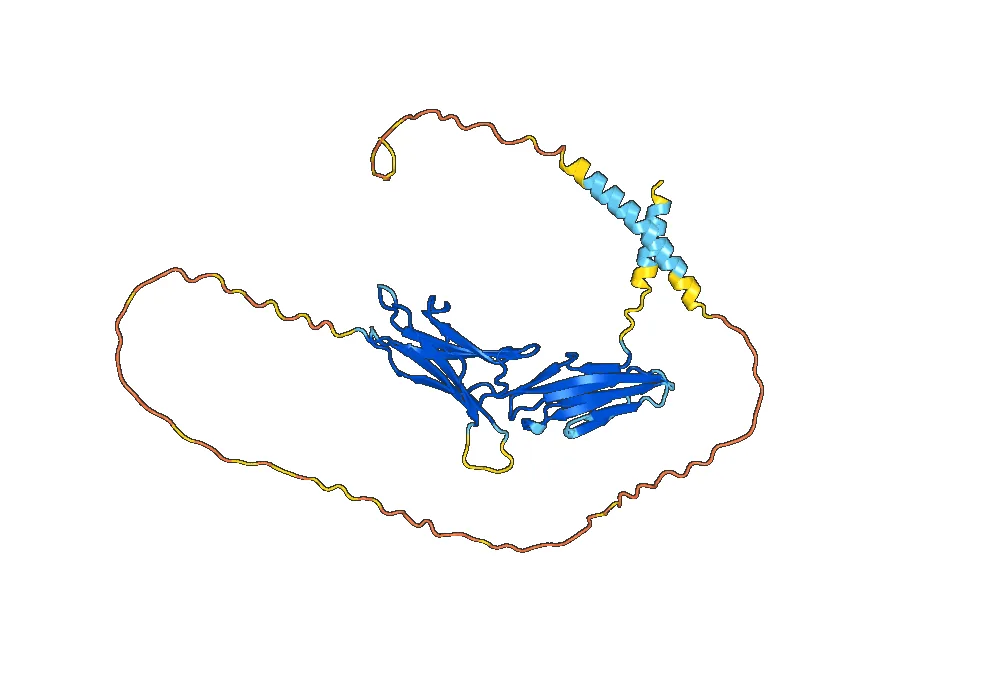
Ontamalimab Biosimilar is a novel monoclonal antibody (mAb) that targets the protein MADCAM1. This protein is involved in the inflammatory response and has been identified as a therapeutic target for various autoimmune diseases. In this article, we will discuss the structure, activity, and potential applications of Ontamalimab Biosimilar as a research-grade antibody.
Structure of Ontamalimab Biosimilar
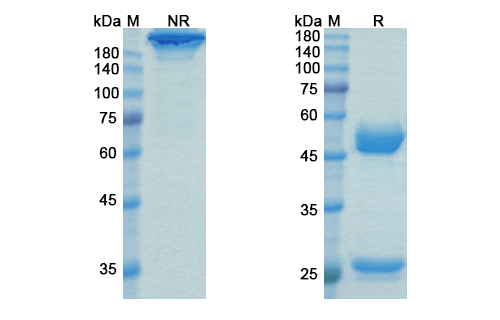
Ontamalimab Biosimilar is a humanized IgG1 monoclonal antibody, meaning it is derived from human antibody sequences but has been modified to have a longer half-life and lower immunogenicity. It is composed of two heavy chains and two light chains, each with a variable region that binds specifically to MADCAM1. The constant region of the antibody is responsible for its effector functions, such as antibody-dependent cellular cytotoxicity (ADCC) and complement-dependent cytotoxicity (CDC).
Activity of Ontamalimab Biosimilar
Ontamalimab Biosimilar specifically targets MADCAM1, a cell adhesion molecule that is expressed on the surface of endothelial cells in the gut. MADCAM1 plays a crucial role in the recruitment of immune cells to sites of inflammation, making it an attractive therapeutic target for autoimmune diseases such as Crohn’s disease and ulcerative colitis. By binding to MADCAM1, Ontamalimab Biosimilar blocks the interaction between this protein and its receptor, α4β7 integrin, thereby preventing the migration of immune cells to the gut and reducing inflammation.
Applications of Ontamalimab Biosimilar
Ontamalimab Biosimilar is currently being evaluated in clinical trials for the treatment of inflammatory bowel disease (IBD), specifically Crohn’s disease and ulcerative colitis. These are chronic autoimmune diseases that affect the digestive tract and can cause symptoms such as abdominal pain, diarrhea, and rectal bleeding. Current treatments for IBD include immunosuppressants and biologic therapies, but they are not effective for all patients and can have significant side effects. Ontamalimab Biosimilar offers a promising alternative as a targeted therapy for IBD.
In addition to IBD, Ontamalimab Biosimilar may also have potential applications in other autoimmune diseases such as rheumatoid arthritis, psoriasis, and multiple sclerosis. These diseases also involve inflammation and immune cell recruitment, making MADCAM1 a relevant therapeutic target. Further research and clinical trials are needed to explore the efficacy of Ontamalimab Biosimilar in these indications.
Conclusion
In summary, Ontamalimab Biosimilar is a research-grade antibody that specifically targets MADCAM1, a protein involved in the inflammatory response. Its structure as a humanized IgG1 antibody and its activity in blocking the interaction between MADCAM1 and its receptor make it a promising therapeutic option for autoimmune diseases such as IBD. Further research and clinical trials will help determine the full potential of Ontamalimab Biosimilar in treating various autoimmune diseases.


There are no reviews yet.