Introduction
Osocimab Biosimilar, also known as Anti-F11 mAb, is a research grade antibody that has shown promising results in the treatment of various diseases. This biosimilar is a monoclonal antibody that specifically targets the F11 receptor, making it a potential therapeutic option for a wide range of conditions. In this article, we will discuss the structure, activity, and application of Osocimab Biosimilar in detail.
Structure of Osocimab Biosimilar
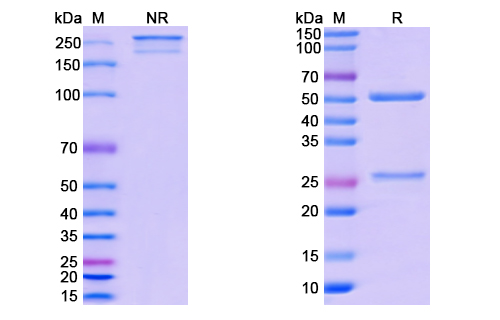
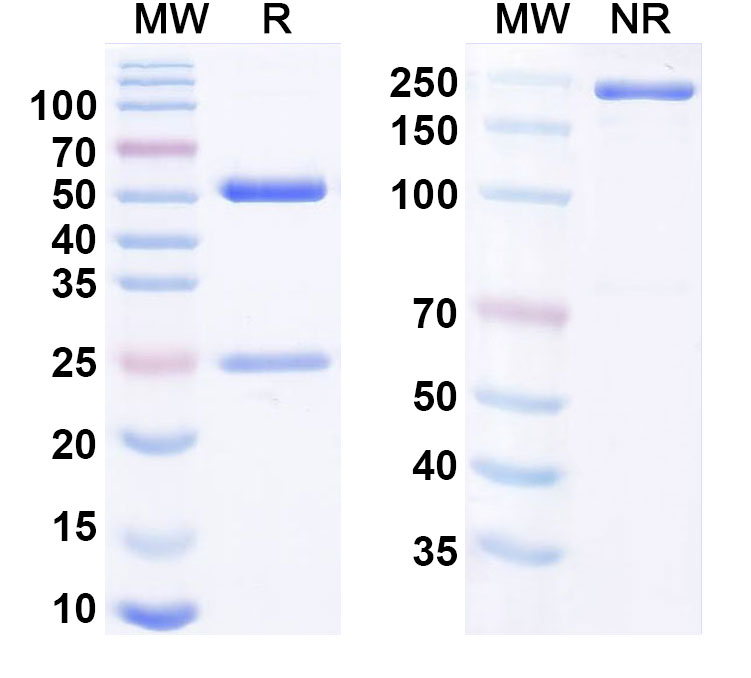
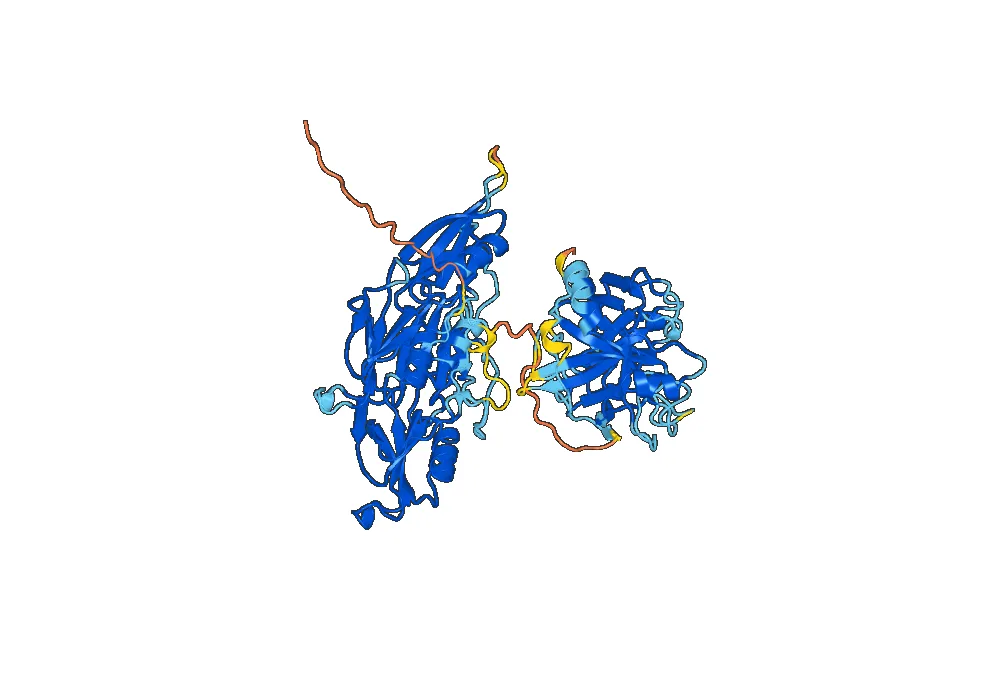
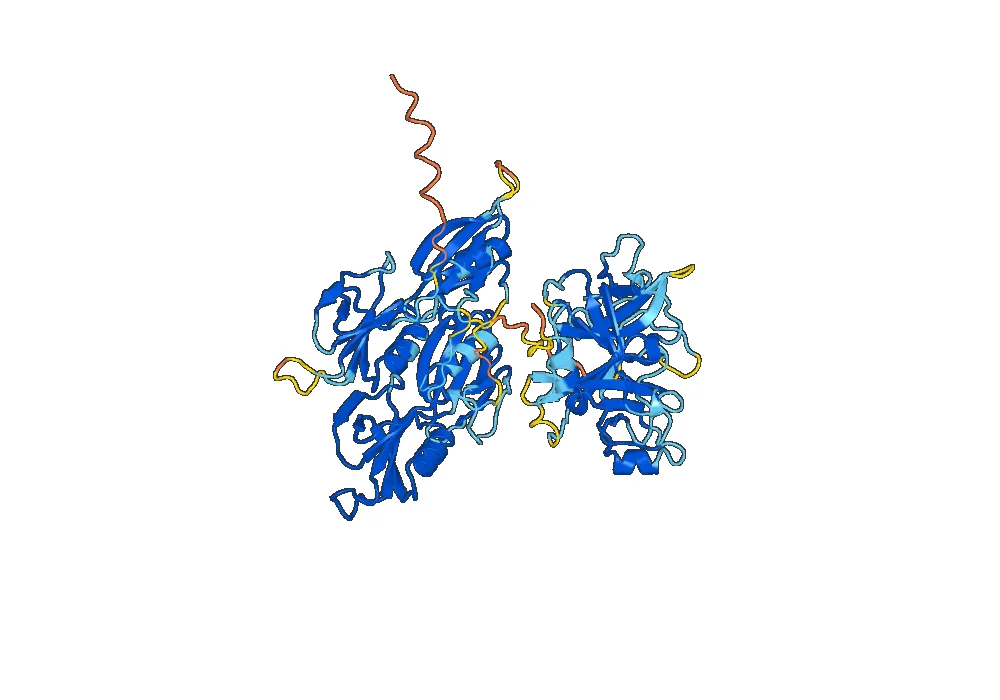
Osocimab Biosimilar is a monoclonal antibody that is produced by recombinant DNA technology. It is a fully humanized antibody, meaning that it is derived from human cells and has a high affinity for its target. The antibody has a molecular weight of approximately 150 kDa and is composed of two heavy chains and two light chains. The heavy and light chains are connected by disulfide bonds, forming a Y-shaped structure.
The variable regions of the antibody, also known as the antigen-binding sites, are responsible for its specificity towards the F11 receptor. These regions are located at the tips of the Y-shaped structure and are highly variable among different antibodies. The constant regions of the antibody, on the other hand, are responsible for its effector functions, such as binding to immune cells and triggering an immune response.
Activity of Osocimab Biosimilar
Osocimab Biosimilar targets the F11 receptor, which is a glycoprotein found on the surface of platelets and endothelial cells. This receptor is involved in the process of platelet aggregation, which is essential for blood clotting. However, overactivation of the F11 receptor can lead to excessive blood clotting, which can result in various diseases such as thrombosis, stroke, and heart attack.
By binding to the F11 receptor, Osocimab Biosimilar inhibits its activity and prevents platelet aggregation. This reduces the risk of blood clots and improves blood flow, making it a potential treatment for thrombotic disorders. Additionally, the antibody has been shown to have anti-inflammatory properties, which can be beneficial in conditions such as rheumatoid arthritis and inflammatory bowel disease.
Application of Osocimab Biosimilar
Osocimab Biosimilar is currently being studied for its potential use in the treatment of various diseases, including thrombotic disorders, inflammatory conditions, and cancer. In clinical trials, the antibody has shown promising results in reducing the risk of blood clots and improving symptoms in patients with rheumatoid arthritis.
One of the major advantages of Osocimab Biosimilar is its high specificity towards the F11 receptor, which minimizes the risk of off-target effects. This makes it a safe and effective therapeutic option for patients. Moreover, being a fully humanized antibody, it is less likely to cause an immune response in patients, making it suitable for long-term use.
In addition to its potential therapeutic applications, Osocimab Biosimilar is also a valuable tool for research purposes. Its high affinity for the F11 receptor makes it a useful tool for studying the role of this receptor in various diseases. Furthermore, the biosimilar can be used in diagnostic assays to detect the levels of F11 receptor in patients.
Conclusion
In summary, Osocimab Biosimilar is a research grade antibody that specifically targets the F11 receptor. Its unique structure and activity make it a potential therapeutic option for a wide range of diseases, including thrombotic disorders and inflammatory conditions. Its high specificity and low risk of adverse effects make it a promising treatment option for patients. Additionally, the biosimilar can also be used for research and diagnostic purposes. Further studies and clinical trials are needed to fully explore the potential of Osocimab Biosimilar in the treatment of various diseases.


There are no reviews yet.