Introduction
Duvakitug Biosimilar is a novel antibody-based therapeutic agent targeting TNFSF15, a cytokine involved in inflammatory processes. This biosimilar is a research grade version of an existing anti-TNFSF15 monoclonal antibody, with similar structure and activity. In this article, we will discuss the structure, activity, and potential applications of Duvakitug Biosimilar in the field of immunology and inflammatory diseases.
Structure of Duvakitug Biosimilar
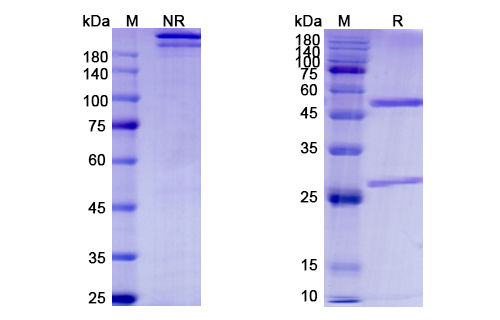
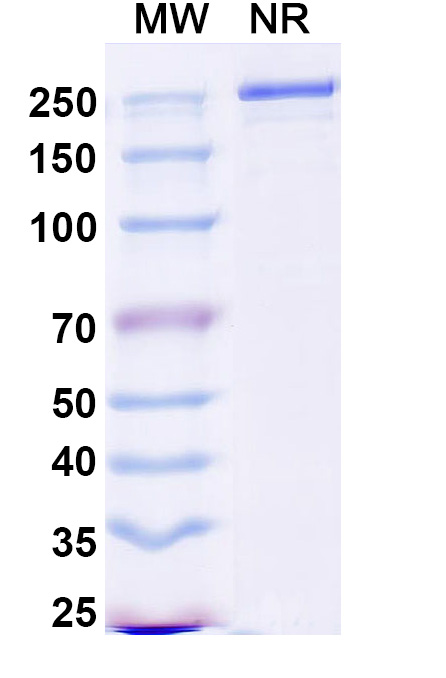
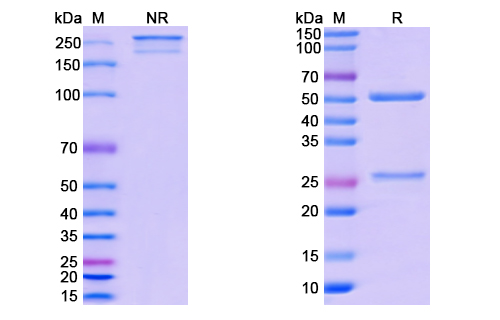
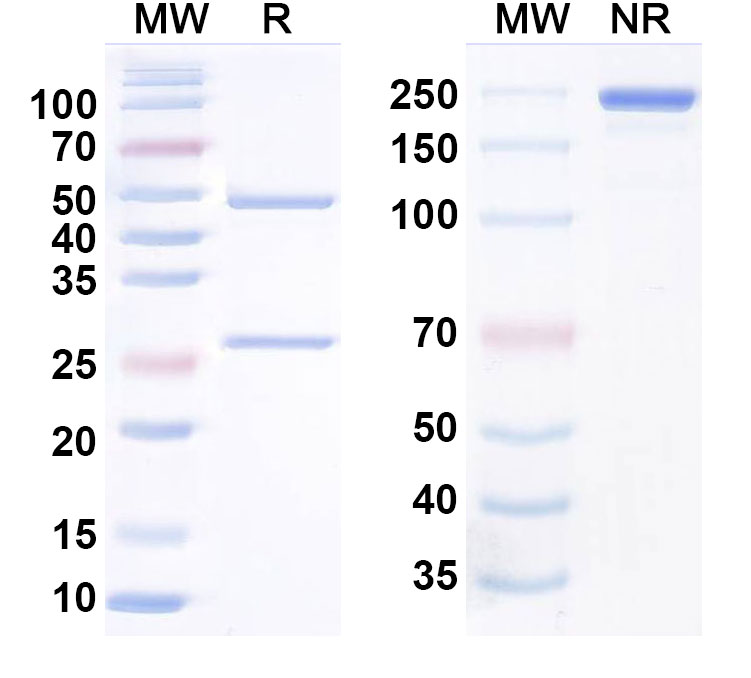
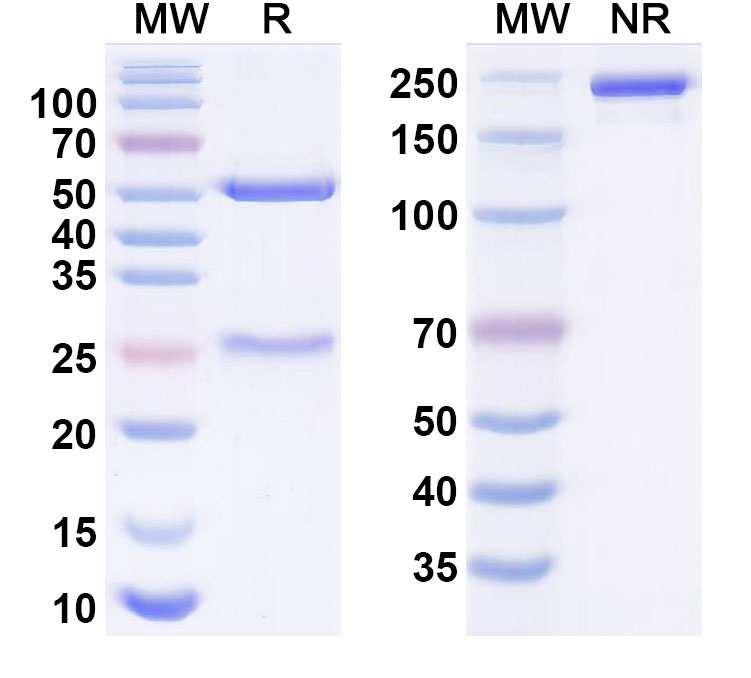
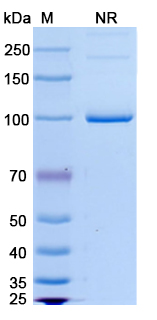
Duvakitug Biosimilar is a monoclonal antibody, meaning it is a highly specific protein that binds to a single target. It is composed of two identical heavy chains and two identical light chains, each with a unique amino acid sequence. The heavy chains contain a constant region and a variable region, while the light chains only have a variable region. The variable regions of both chains are responsible for binding to TNFSF15, while the constant regions provide stability and effector functions.
Activity of Duvakitug Biosimilar
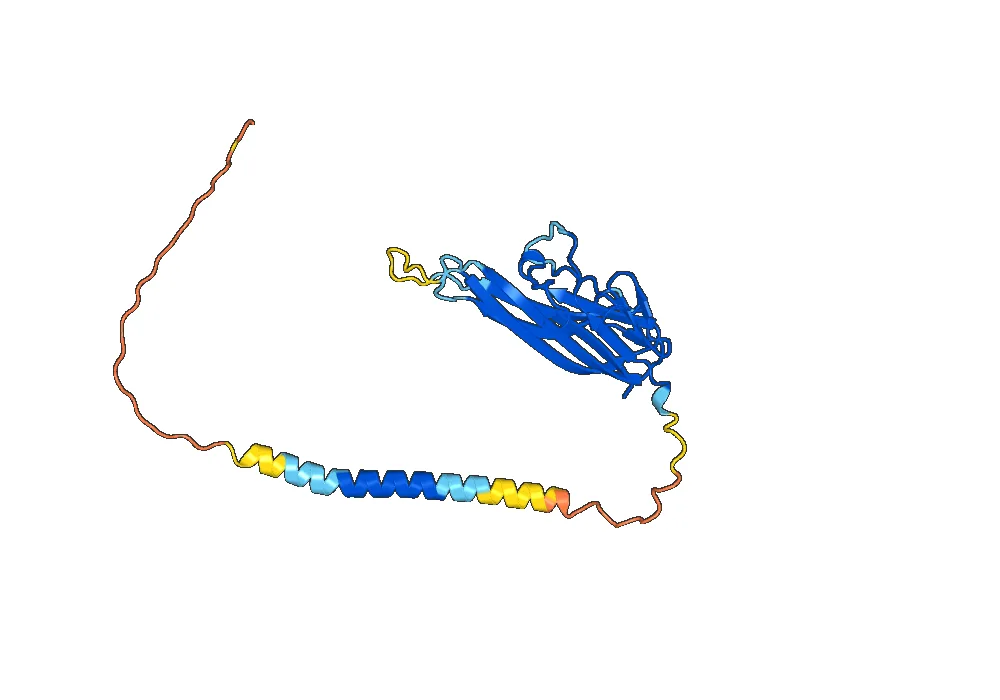
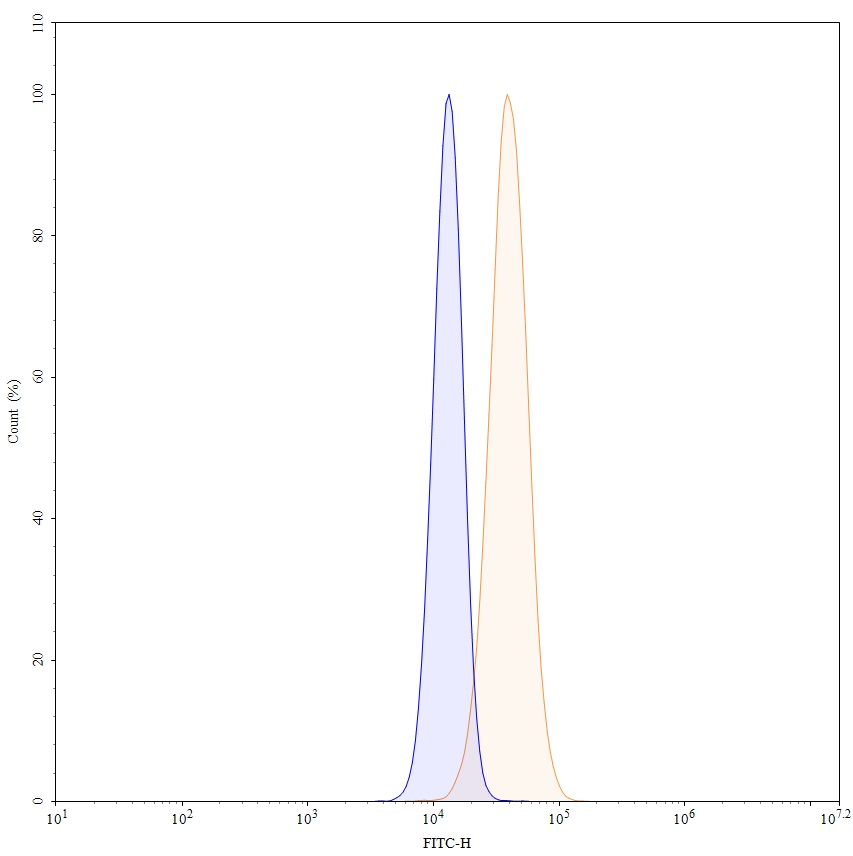
Duvakitug Biosimilar works by binding to TNFSF15, a cytokine that plays a crucial role in the regulation of inflammation. TNFSF15 is primarily produced by activated immune cells and has been implicated in various inflammatory diseases, including inflammatory bowel disease, rheumatoid arthritis, and psoriasis. By binding to TNFSF15, Duvakitug Biosimilar prevents it from interacting with its receptor, TNFRSF15, and initiating downstream inflammatory signaling pathways.
Additionally, Duvakitug Biosimilar can also induce antibody-dependent cellular cytotoxicity (ADCC) and complement-dependent cytotoxicity (CDC). These mechanisms involve the recruitment of immune cells and the activation of the complement system, respectively, to eliminate cells expressing TNFSF15. This dual mechanism of action makes Duvakitug Biosimilar a potent therapeutic agent for targeting TNFSF15.
Applications of Duvakitug Biosimilar
Duvakitug Biosimilar has the potential to be used in the treatment of various inflammatory diseases. Preclinical studies have shown promising results in animal models of inflammatory bowel disease, rheumatoid arthritis, and psoriasis. In these models, Duvakitug Biosimilar was able to reduce inflammation and improve disease symptoms.
Moreover, Duvakitug Biosimilar can also be used as a research tool to study the role of TNFSF15 in different inflammatory conditions. By blocking TNFSF15, researchers can better understand its function and potential as a therapeutic target. This biosimilar can also be used in diagnostic assays to detect TNFSF15 levels in patient samples.
Conclusion
Duvakitug Biosimilar is a novel antibody-based therapeutic agent targeting TNFSF15, a cytokine involved in inflammatory processes. Its structure, activity, and potential applications make it a promising candidate for the treatment of various inflammatory diseases. As a research grade version of an existing anti-TNFSF15 monoclonal antibody, Duvakitug Biosimilar provides a valuable tool for studying the role of TNFSF15 in inflammatory conditions. Further clinical studies are needed to fully evaluate the efficacy and safety of Duvakitug Biosimilar in human patients.

There are no reviews yet.