Introduction
Grisnilimab Biosimilar, also known as Anti-CD7 mAb, is a monoclonal antibody that has been developed as a biosimilar to the therapeutic antibody, Alemtuzumab. It is a promising drug candidate with potential applications in the treatment of various types of cancers and autoimmune disorders.
Structure of Grisnilimab Biosimilar
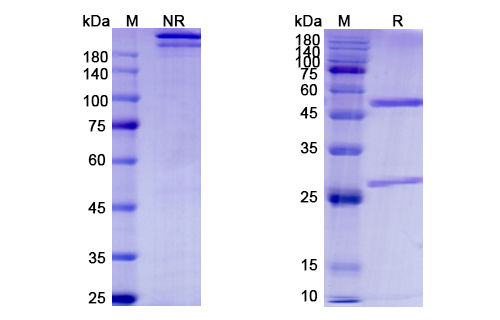
Grisnilimab Biosimilar is a recombinant humanized monoclonal antibody that has been designed to target the CD7 antigen. It is composed of two heavy chains and two light chains, each consisting of variable and constant regions. The variable regions of the antibody are responsible for binding to the CD7 antigen, while the constant regions provide stability and effector functions.
The heavy chains of Grisnilimab Biosimilar contain a hinge region, a CH1 domain, a CH2 domain, and a CH3 domain. The light chains consist of a variable domain and a constant domain. The variable regions of both the heavy and light chains are highly specific for the CD7 antigen, allowing Grisnilimab Biosimilar to bind to the target with high affinity and specificity.
Mechanism of Action
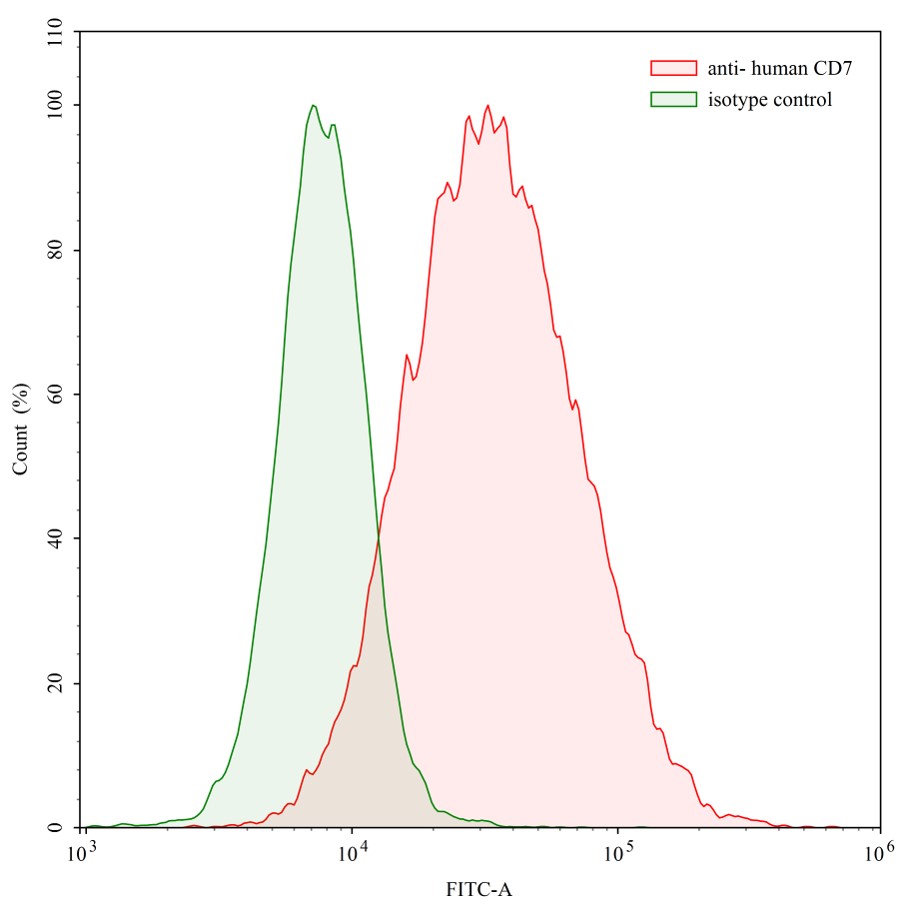
Grisnilimab Biosimilar works by binding to the CD7 antigen, which is found on the surface of T cells and natural killer (NK) cells. This binding triggers a series of events that lead to the destruction of these cells, ultimately resulting in the suppression of the immune response.
When Grisnilimab Biosimilar binds to CD7, it activates the complement system, which is a part of the immune system that helps in the destruction of pathogens and abnormal cells. This leads to the formation of a membrane attack complex, which creates pores in the cell membrane of the target cells, causing them to lyse and die.
Additionally, Grisnilimab Biosimilar also induces antibody-dependent cellular cytotoxicity (ADCC) and antibody-dependent cellular phagocytosis (ADCP). These mechanisms involve the recruitment and activation of immune cells, such as macrophages and natural killer cells, to target and destroy the CD7-expressing cells.
Applications of Grisnilimab Biosimilar
The primary application of Grisnilimab Biosimilar is in the treatment of CD7-positive cancers, such as T-cell acute lymphoblastic leukemia (T-ALL) and T-cell lymphoma. CD7 is highly expressed on the surface of these cancer cells, making them ideal targets for Grisnilimab Biosimilar. By binding to and destroying these cells, Grisnilimab Biosimilar can effectively inhibit the growth and spread of these cancers.
In addition to cancer, Grisnilimab Biosimilar also has potential applications in the treatment of autoimmune disorders, such as multiple sclerosis and rheumatoid arthritis. These conditions are characterized by an overactive immune response, which can be suppressed by targeting and destroying CD7-expressing immune cells.
Research Grade Grisnilimab Biosimilar
Grisnilimab Biosimilar is currently being developed as a research grade antibody, which is intended for use in laboratory research and preclinical studies. It is not yet approved for clinical use, but its potential therapeutic applications have generated significant interest in the scientific community.
Conclusion
In summary, Grisnilimab Biosimilar is a promising biosimilar to the therapeutic antibody, Alemtuzumab. Its specific structure and mechanism of action make it a potent anti-CD7 mAb with potential applications in the treatment of various cancers and autoimmune disorders. As research on Grisnilimab Biosimilar continues, it is expected to play a significant role in the development of new and improved treatments for these diseases.



There are no reviews yet.