Introduction to Lodapolimab Biosimilar – A Novel Anti-PDCD1, PD-1, CD279 mAb Lodapolimab Biosimilar, also known as anti-PDCD1, PD-1, CD279 monoclonal antibody, is a promising therapeutic agent in the field of immunotherapy. This biosimilar is designed to target programmed cell death protein 1 (PD-1), a key immune checkpoint receptor that plays a critical role in regulating the immune response. In this article, we will discuss the structure, activity, and potential applications of Lodapolimab Biosimilar in the treatment of various diseases.
Structure of Lodapolimab Biosimilar
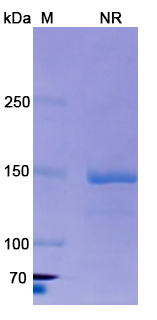
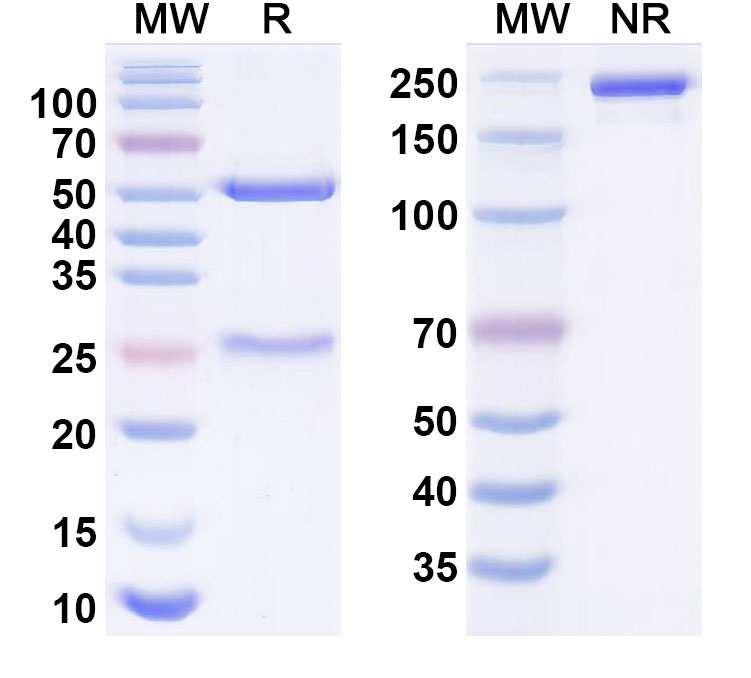
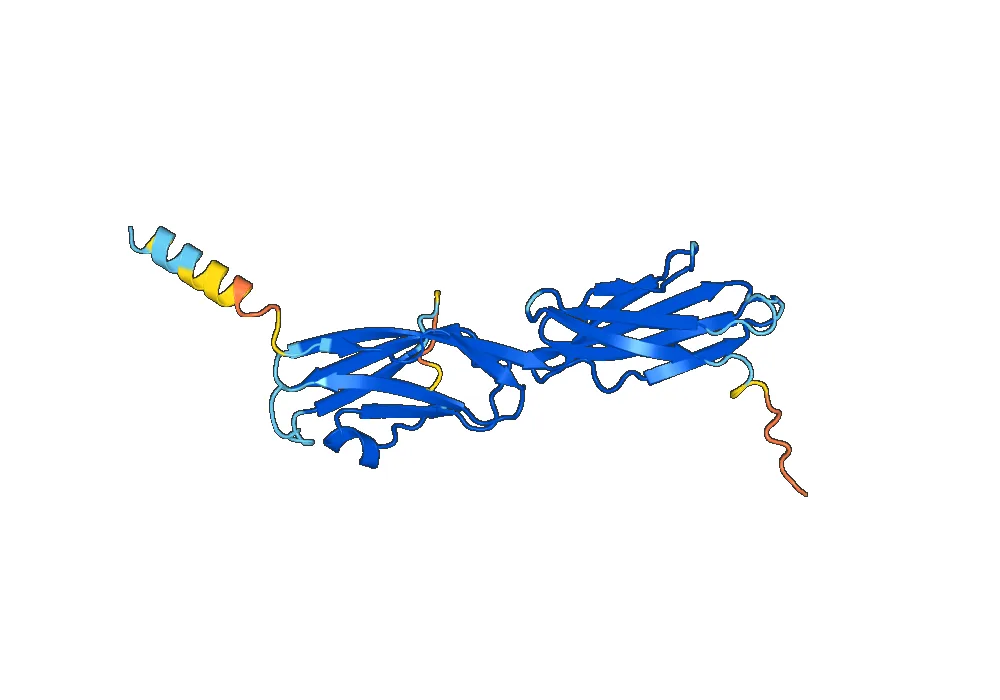
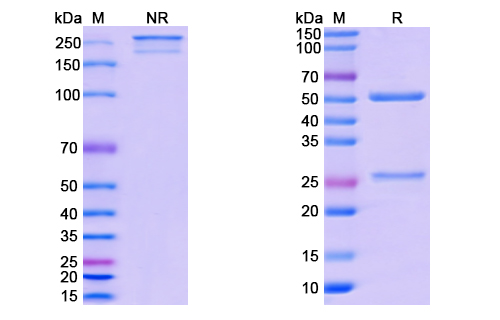
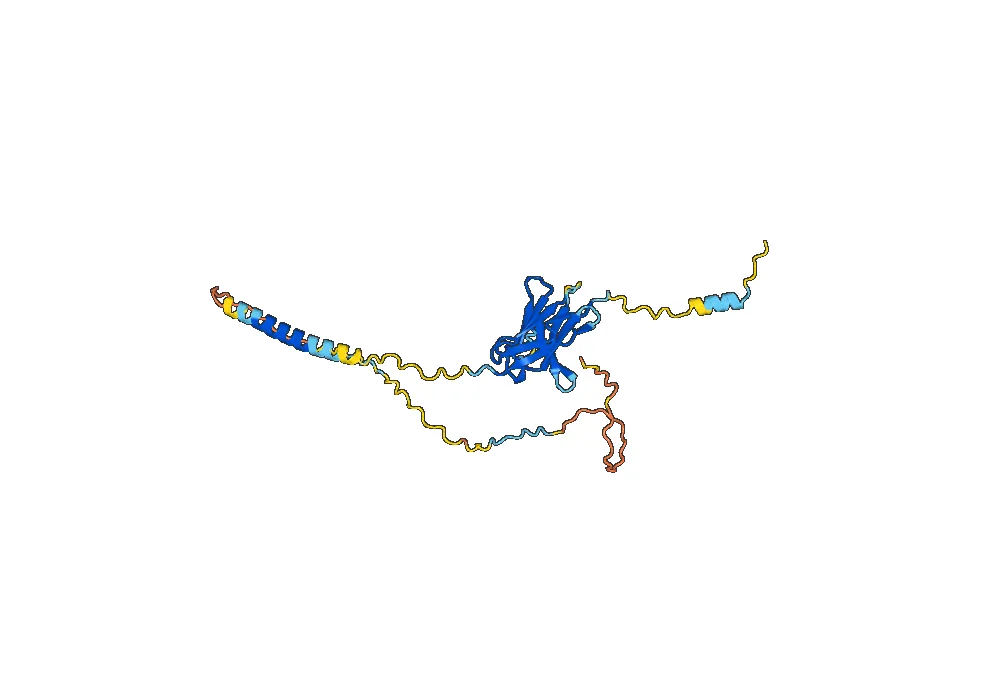
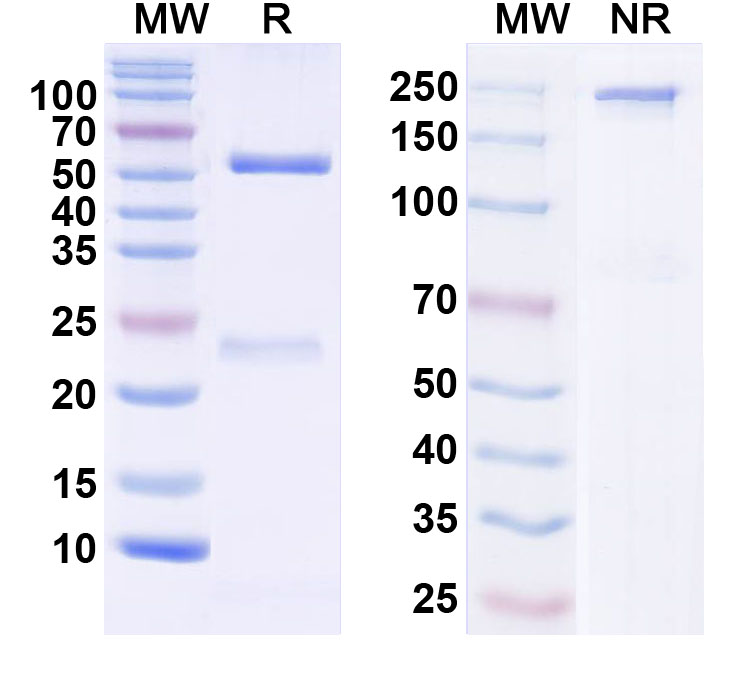
Lodapolimab Biosimilar is a recombinant humanized monoclonal antibody that specifically binds to PD-1. It is composed of two heavy chains and two light chains, which are connected by disulfide bonds. The heavy chains consist of four constant domains (CH1, CH2, CH3, and CH4) and one variable domain (VH), while the light chains contain two constant domains (CL and CL1) and one variable domain (VL). The variable domains are responsible for binding to PD-1, while the constant domains provide structural stability and effector functions.
Activity of Lodapolimab Biosimilar
PD-1 is a receptor expressed on the surface of T cells and plays a crucial role in regulating the immune response. When PD-1 binds to its ligands, PD-L1 or PD-L2, it inhibits T cell activation and promotes immune tolerance. This mechanism is important in preventing autoimmunity and maintaining immune homeostasis. However, cancer cells can exploit this pathway to evade immune surveillance and promote tumor growth. Lodapolimab Biosimilar works by blocking the interaction between PD-1 and its ligands, thus restoring the function of T cells and enhancing the anti-tumor immune response.
Applications of Lodapolimab Biosimilar
Lodapolimab Biosimilar has shown promising results in clinical trials for the treatment of various cancers, including melanoma, non-small cell lung cancer, and renal cell carcinoma. It has also been investigated in combination with other therapies, such as chemotherapy and other immune checkpoint inhibitors, to enhance its efficacy. In addition, Lodapolimab Biosimilar has potential applications in the treatment of autoimmune diseases, such as rheumatoid arthritis and multiple sclerosis, where PD-1 signaling is dysregulated.
Advantages of Lodapolimab Biosimilar
As a biosimilar, Lodapolimab offers several advantages over the original anti-PD-1 monoclonal antibody, including lower cost, increased accessibility, and improved patient outcomes. Biosimilars are highly similar to their reference products and have been extensively tested for safety and efficacy. This allows for a more cost-effective and timely introduction of new therapies, making them more accessible to patients in need. In addition, biosimilars can also improve patient outcomes by providing an alternative treatment option for those who do not respond to the original therapy.
Conclusion
In conclusion, Lodapolimab Biosimilar is a promising therapeutic agent that targets PD-1, a key immune checkpoint receptor involved in regulating the immune response. Its unique structure and mechanism of action make it a promising candidate for the treatment of various cancers and autoimmune diseases. As more clinical trials are conducted, Lodapolimab Biosimilar has the potential to revolutionize the field of immunotherapy and improve patient outcomes.


There are no reviews yet.