Cusatuzumab Biosimilar: An Anti-CD70, TNFSF7 mAb for Targeted Therapy
Cusatuzumab Biosimilar, also known as anti-CD70 or TNFSF7 monoclonal antibody, is a research grade biologic drug that has shown promising results in the treatment of various cancers. This biosimilar is a replica of the original drug, Cusatuzumab, which was developed by the pharmaceutical company Novartis. The biosimilar version is being developed by various companies for its potential use as a more affordable and accessible alternative for patients.
Structure of Cusatuzumab Biosimilar
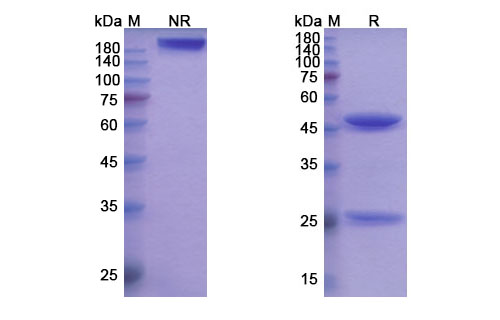
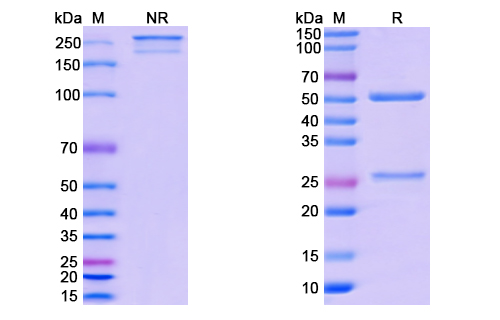
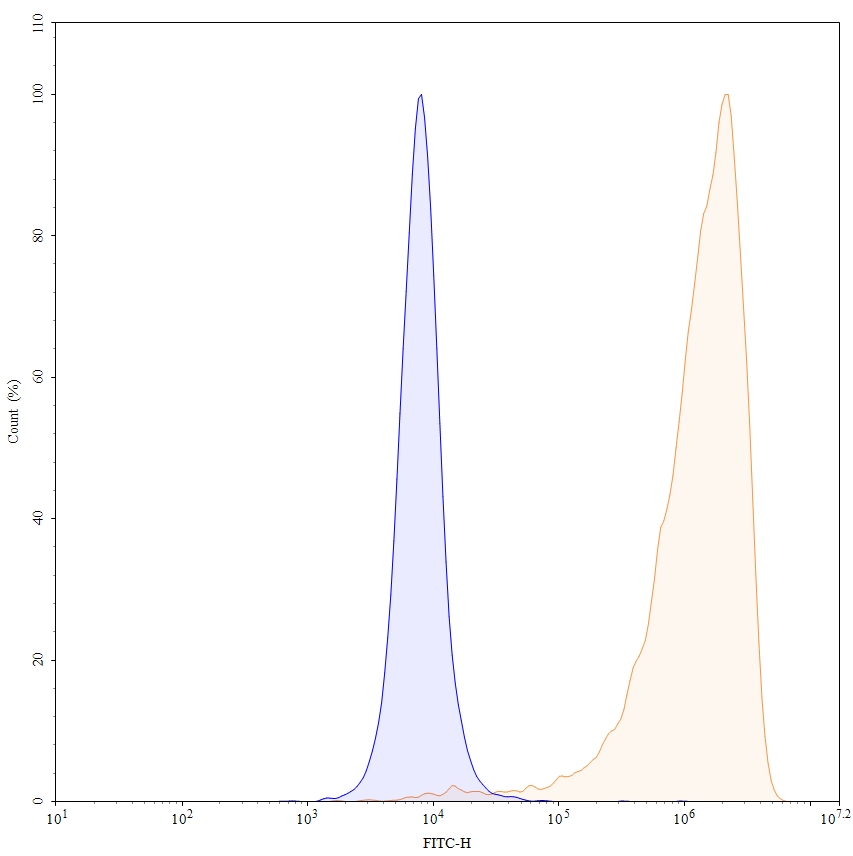
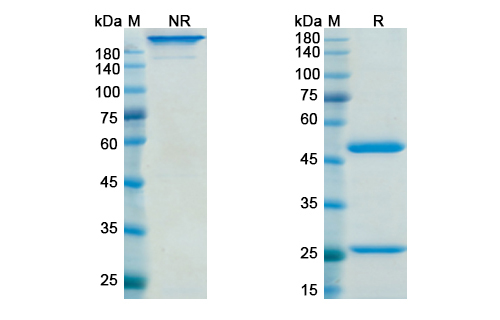
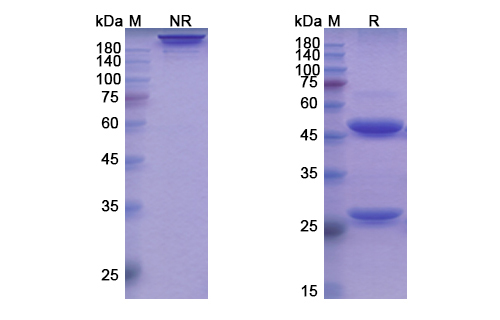
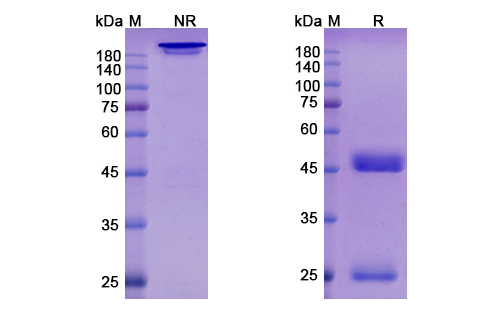
Cusatuzumab Biosimilar is a monoclonal antibody that specifically targets CD70, a protein found on the surface of cancer cells. It is a humanized IgG1 kappa antibody, meaning it is made up of human and mouse components to reduce the risk of immune reactions. The antibody has a molecular weight of approximately 150 kDa and consists of two heavy and two light chains, connected by disulfide bonds.
The binding site of Cusatuzumab Biosimilar is located on the variable region of the heavy chain, which allows it to bind to CD70 with high specificity and affinity. This binding triggers a series of immune responses that ultimately lead to the destruction of cancer cells.
Mechanism of Action
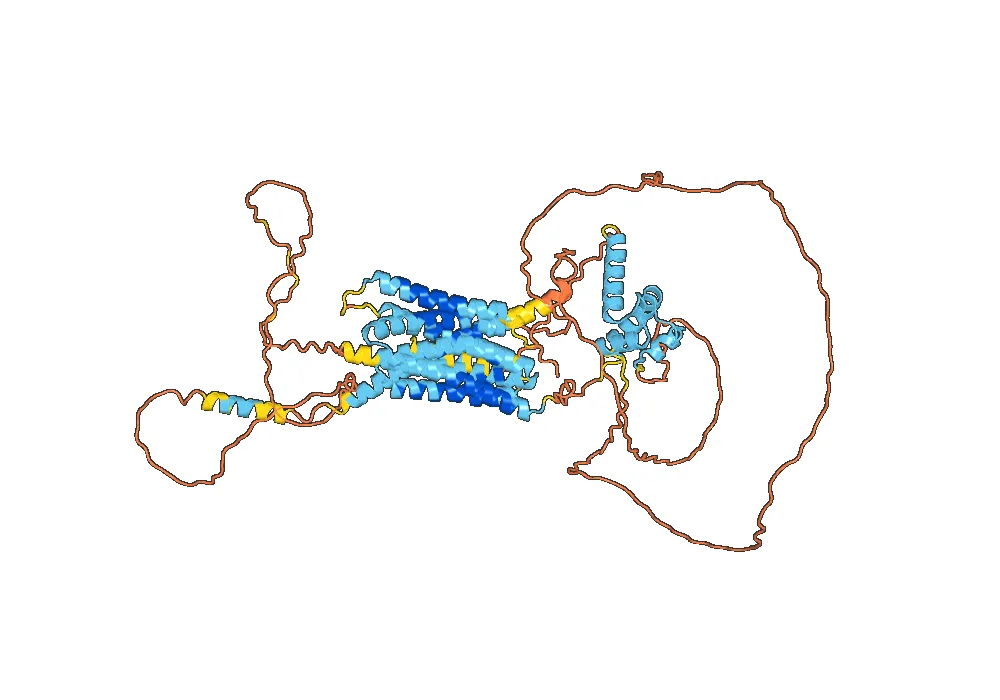
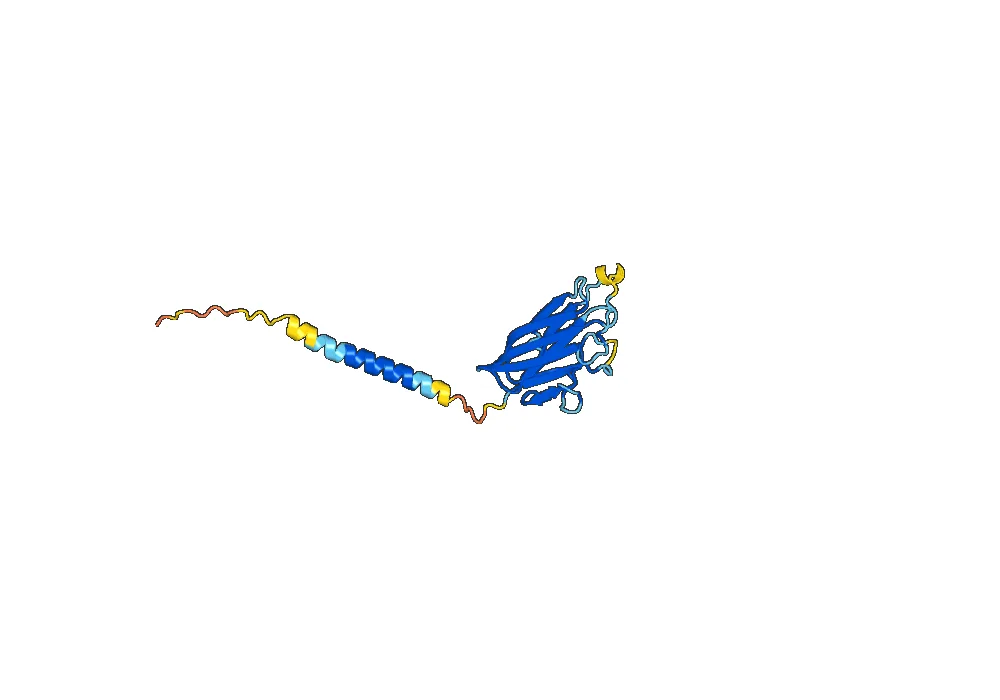
The main therapeutic target of Cusatuzumab Biosimilar is CD70, a protein that is overexpressed in many types of cancer, including solid tumors and hematologic malignancies. CD70 is a member of the tumor necrosis factor (TNF) superfamily and plays a crucial role in the proliferation and survival of cancer cells.
When Cusatuzumab Biosimilar binds to CD70, it blocks its interaction with its receptor, CD27, which is expressed on the surface of immune cells. This prevents the activation of the CD70-CD27 pathway, which is responsible for promoting cancer cell growth and survival. In addition, the binding of Cusatuzumab Biosimilar to CD70 also triggers the immune system to recognize and attack cancer cells, further enhancing its anti-tumor activity.
Applications of Cusatuzumab Biosimilar
The primary application of Cusatuzumab Biosimilar is in the treatment of cancer. It has shown promising results in preclinical and clinical studies for various types of cancer, including acute myeloid leukemia, multiple myeloma, and solid tumors such as renal cell carcinoma and non-small cell lung cancer.
In addition to its use as a monotherapy, Cusatuzumab Biosimilar has also been studied in combination with other anti- cancer drugs, such as chemotherapy and immune checkpoint inhibitors. These combination therapies have shown synergistic effects and have the potential to further improve treatment outcomes for cancer patients.
Conclusion
Cusatuzumab Biosimilar is a promising biologic drug with a unique mechanism of action that specifically targets CD70, a protein involved in the growth and survival of cancer cells. Its potential as a more affordable and accessible alternative to the original drug makes it an attractive option for cancer treatment. With ongoing research and clinical trials, Cusatuzumab Biosimilar has the potential to become a valuable addition to the arsenal of anti- cancer therapies.
Keywords: Cusatuzumab Biosimilar, anti-CD70, TNFSF7 mAb, monoclonal antibody, cancer, therapeutic target


There are no reviews yet.