Introduction
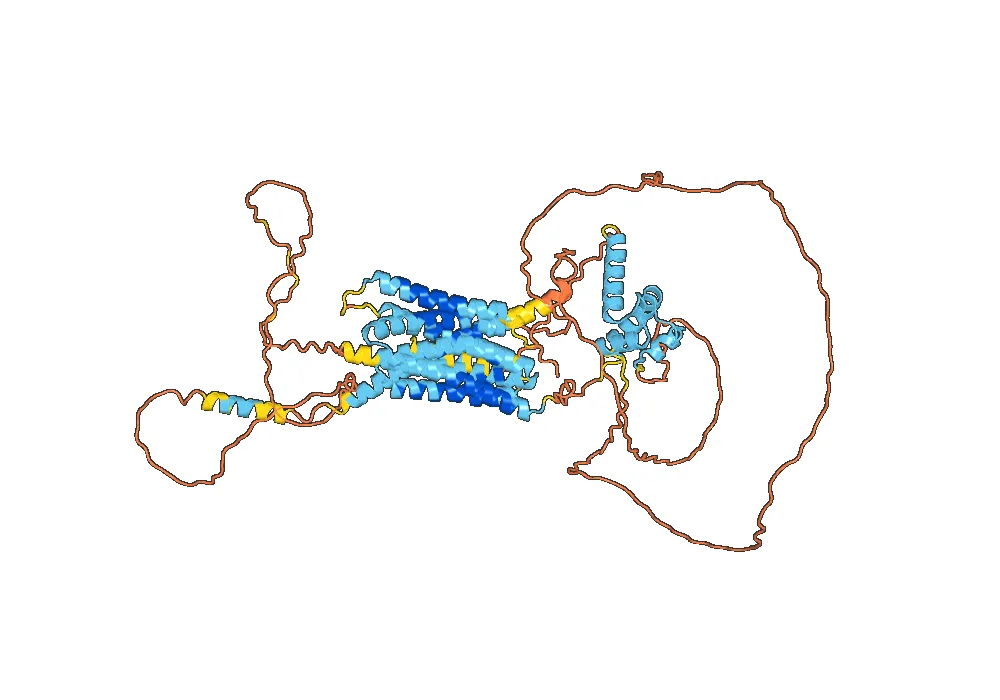
Ladiratuzumab biosimilar, also known as anti-SLC39A6 monoclonal antibody (mAb), is a promising therapeutic agent that has shown potential in the treatment of various cancers. This biosimilar is a recombinant version of the humanized mAb, which specifically targets the SLC39A6 protein. In this article, we will provide a comprehensive description of the structure, activity, and potential applications of Ladiratuzumab Biosimilar.
Structure
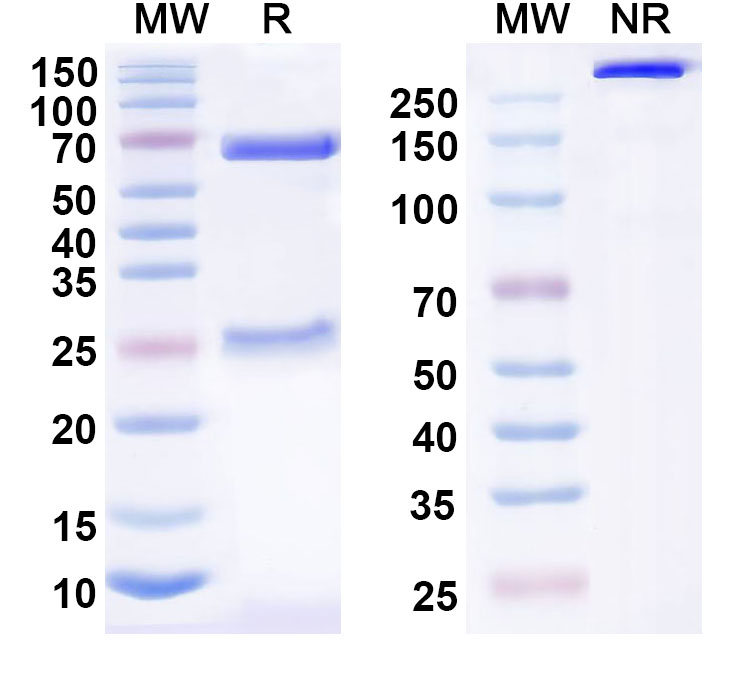
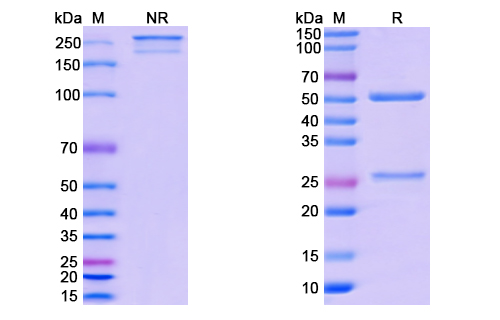
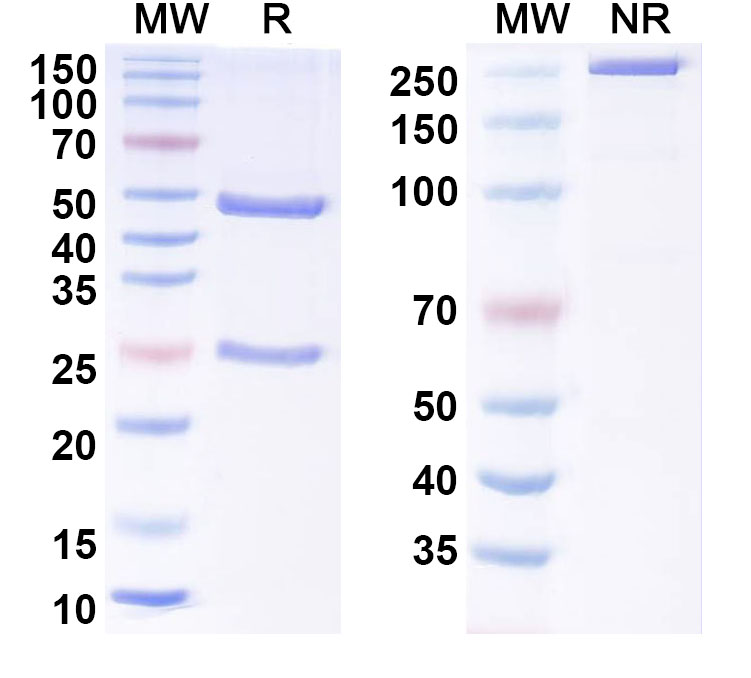
Ladiratuzumab biosimilar is a monoclonal antibody that is composed of two heavy chains and two light chains, connected by disulfide bonds. The heavy chains consist of four constant domains (CH1, CH2, CH3, and CH4) and one variable domain (VH), while the light chains contain two constant domains (CL) and one variable domain (VL). The variable domains of both heavy and light chains are responsible for the antigen-binding site, which specifically recognizes the SLC39A6 protein.
Activity
The primary target of Ladiratuzumab biosimilar is the SLC39A6 protein, also known as ZIP6 or LIV-1. This protein is a zinc transporter that is overexpressed in various cancers, including breast, ovarian, and pancreatic cancer. SLC39A6 has been implicated in promoting cancer cell proliferation, invasion, and metastasis, making it an attractive therapeutic target for cancer treatment.
Ladiratuzumab biosimilar binds to SLC39A6 with high affinity and specificity, effectively blocking its activity and inhibiting cancer cell growth. It can also trigger antibody-dependent cellular cytotoxicity (ADCC) and complement-dependent cytotoxicity (CDC), leading to the destruction of cancer cells. Additionally, Ladiratuzumab biosimilar has been shown to enhance the efficacy of chemotherapy and radiotherapy when used in combination, making it a potential candidate for combination therapy in cancer treatment.
Application
The potential applications of Ladiratuzumab biosimilar are vast, given its specific targeting of SLC39A6 and its potential to enhance the efficacy of other cancer therapies. It has shown promising results in preclinical studies, demonstrating its ability to inhibit tumor growth and metastasis in various cancer models. Currently, Ladiratuzumab biosimilar is being evaluated in phase I/II clinical trials for the treatment of advanced solid tumors, including breast, ovarian, and pancreatic cancer.
Breast
cancer is the most common cancer among women worldwide, and SLC39A6 has been found to be overexpressed in a significant percentage of breast cancer cases. Ladiratuzumab biosimilar has shown promising results in preclinical studies, inhibiting tumor growth and improving survival in breast cancer models. Clinical trials are currently ongoing to evaluate its safety and efficacy in breast cancer patients.
Ovarian
cancer is the fifth leading cause of cancer-related deaths among women, with limited treatment options for advanced stages. SLC39A6 has been found to be overexpressed in ovarian cancer, and Ladiratuzumab biosimilar has shown promising results in preclinical studies, inhibiting tumor growth and improving survival. Clinical trials are currently ongoing to evaluate its safety and efficacy in ovarian cancer patients.
Pancreatic
cancer is one of the deadliest cancers, with limited treatment options and a low survival rate. SLC39A6 has been found to be overexpressed in pancreatic cancer, and Ladiratuzumab biosimilar has shown promising results in preclinical studies, inhibiting tumor growth and improving survival. Clinical trials are currently ongoing to evaluate its safety and efficacy in pancreatic cancer patients.
Conclusion
In summary, Ladiratuzumab biosimilar is a promising therapeutic agent that specifically targets the SLC39A6 protein, which is overexpressed in various cancers. Its unique structure and activity make it a potential candidate for combination therapy with other cancer treatments. Clinical trials are ongoing to evaluate its safety and efficacy in breast, ovarian, and pancreatic cancer patients. With further research and development, Ladiratuzumab biosimilar has the potential to become a valuable addition to the arsenal of cancer treatments

There are no reviews yet.