Introduction to cBR96 Biosimilar – Anti-Lewis Y mAb – Research Grade cBR96 Biosimilar – Anti-Lewis Y mAb – Research Grade is a novel antibody-based therapeutic agent that has shown great potential in the treatment of various cancers. This biosimilar is a monoclonal antibody (mAb) that specifically targets the Lewis Y antigen, a carbohydrate molecule that is overexpressed on the surface of many cancer cells. In this article, we will explore the structure, activity, and potential applications of cBR96 Biosimilar in detail.
Structure of cBR96 Biosimilar
cBR96 Biosimilar is a biosimilar version of the original anti-Lewis Y mAb, cBR96. It is a chimeric antibody, meaning it is composed of both human and mouse components. The variable regions of the antibody are derived from mouse antibodies, while the constant regions are from human antibodies. This structure allows for better binding to the Lewis Y antigen and reduced immunogenicity in patients.
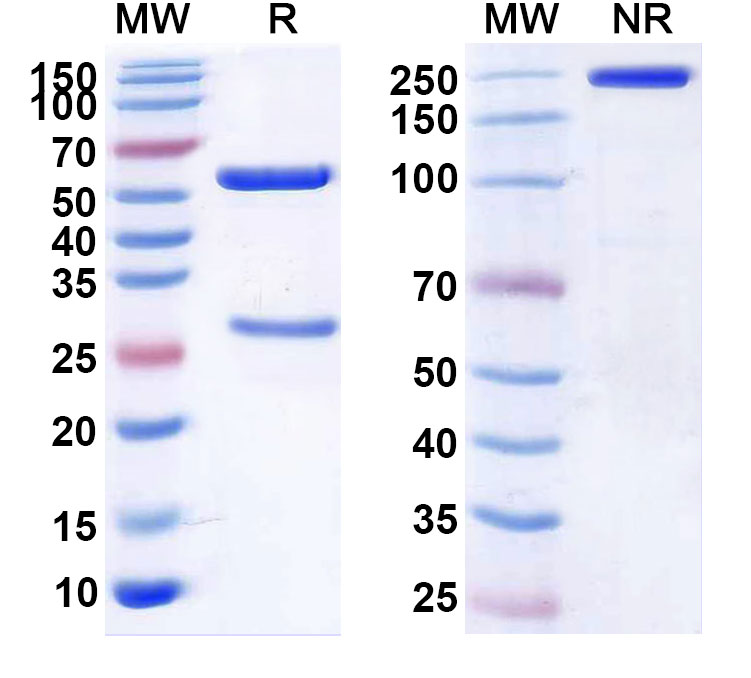
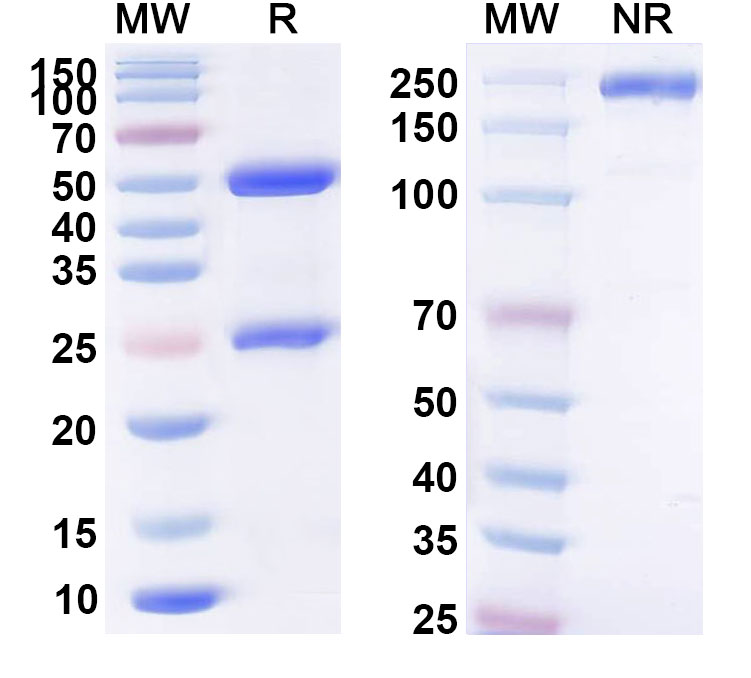
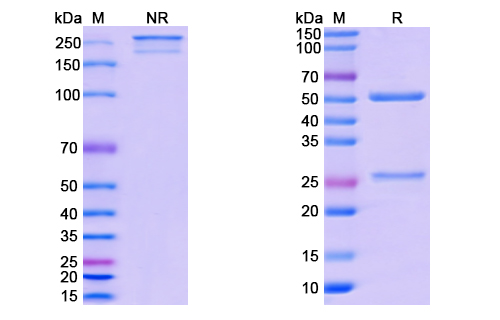
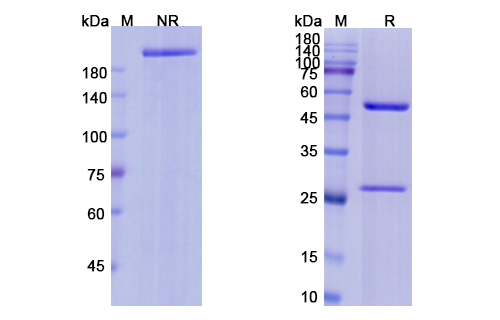
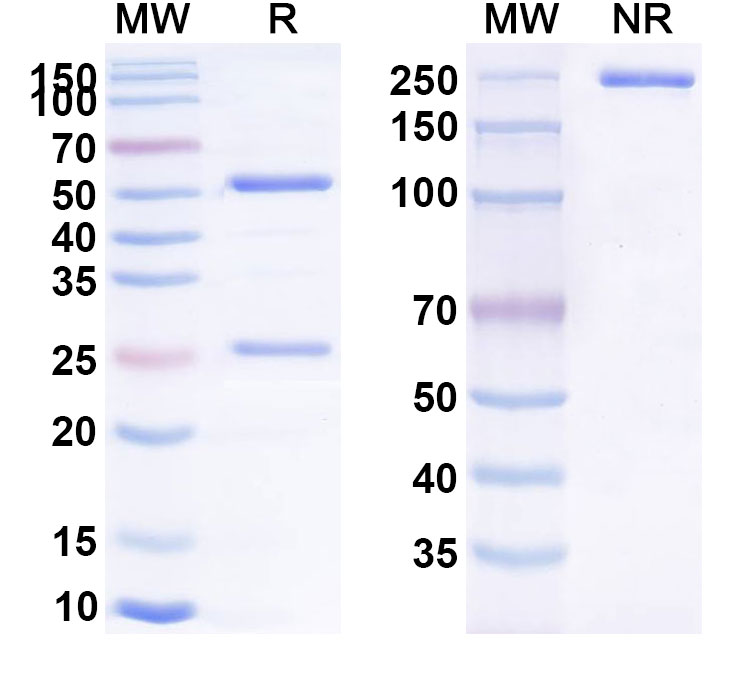
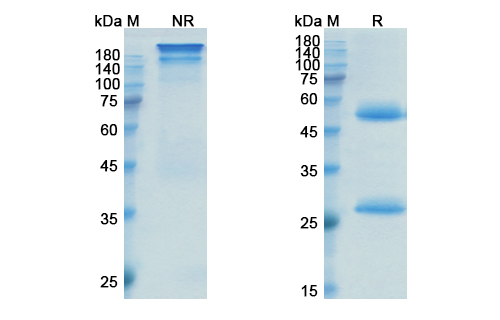
The antibody has a molecular weight of approximately 150 kDa and is composed of four protein chains – two heavy chains and two light chains. These chains are connected by disulfide bonds and form the characteristic Y-shaped structure of an antibody. The variable regions of the antibody are responsible for binding to the Lewis Y antigen, while the constant regions play a role in effector functions such as antibody-dependent cellular cytotoxicity (ADCC) and complement-dependent cytotoxicity (CDC).
Activity of cBR96 Biosimilar
The main activity of cBR96 Biosimilar is its ability to specifically bind to the Lewis Y antigen on the surface of cancer cells. This binding leads to the activation of immune effector mechanisms, such as ADCC and CDC, which result in the destruction of the cancer cells. In addition, cBR96 Biosimilar has been shown to inhibit the growth and proliferation of cancer cells, as well as induce apoptosis (programmed cell death).
Furthermore, cBR96 Biosimilar has been engineered to have a longer half-life in the body, allowing for sustained activity and better efficacy. This is achieved by modifying the constant regions of the antibody to reduce its clearance from the body.
Applications of cBR96 Biosimilar
cBR96 Biosimilar has shown promising results in preclinical studies for the treatment of various cancers, including breast, ovarian, lung, and colon cancer. It has also been investigated for its potential in combination with other cancer therapies, such as chemotherapy and radiation therapy.
In addition, cBR96 Biosimilar has been evaluated in clinical trials for the treatment of advanced solid tumors. Results from these trials have shown that cBR96 Biosimilar is well-tolerated and has demonstrated anti-tumor activity in patients with Lewis Y-positive tumors. This biosimilar has also been granted orphan drug designation by the FDA for the treatment of ovarian cancer.
Conclusion
In summary, cBR96 Biosimilar – Anti-Lewis Y mAb – Research Grade is a novel antibody-based therapeutic agent that specifically targets the Lewis Y antigen on cancer cells. Its unique structure and activity make it a promising candidate for the treatment of various cancers. Further research and clinical trials are needed to fully understand the potential of this biosimilar and its role in cancer therapy.

There are no reviews yet.