Panobacumab Biosimilar – A Potent Antibody Targeting Serotype IATS O12
Panobacumab Biosimilar, also known as Anti-Serotype IATS O12 mAb, is a highly specific monoclonal antibody that has been developed as a biosimilar to the original Panobacumab. This biosimilar has been designed to target and neutralize the serotype IATS O12, a bacterial strain responsible for causing severe infections in humans. In this article, we will discuss the structure, activity, and potential applications of Panobacumab Biosimilar in the field of infectious disease research.
Structure of Panobacumab Biosimilar
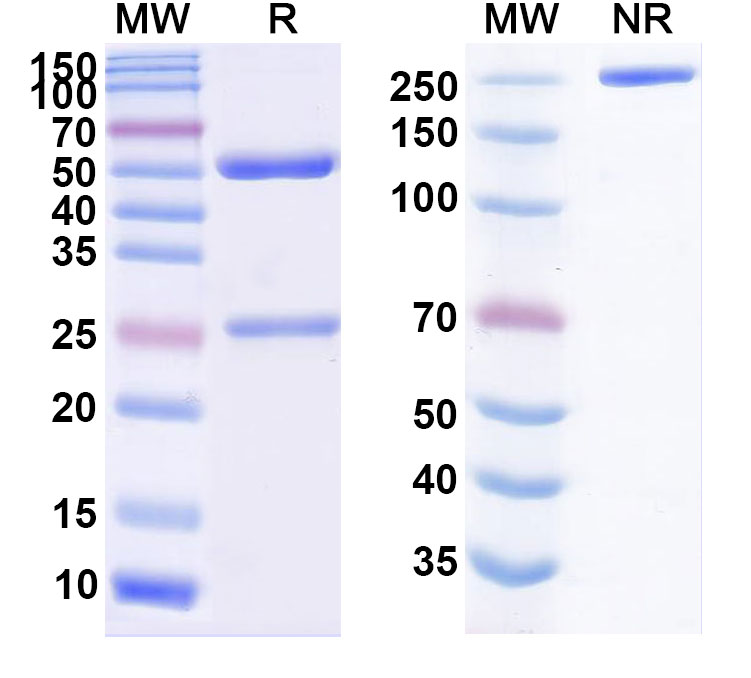
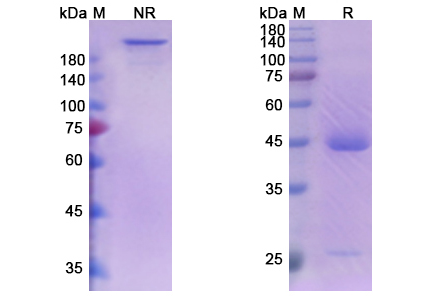
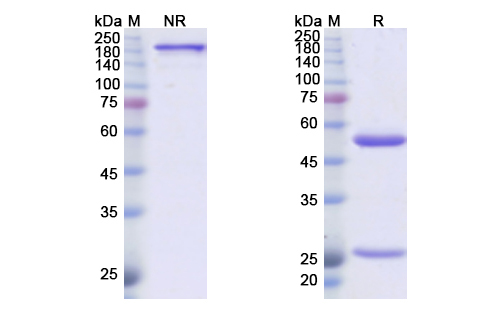
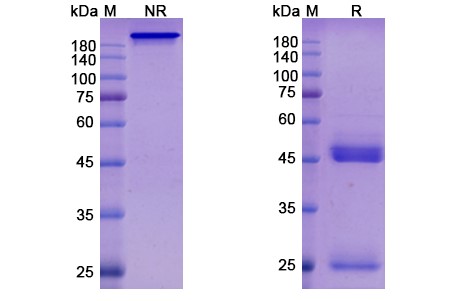
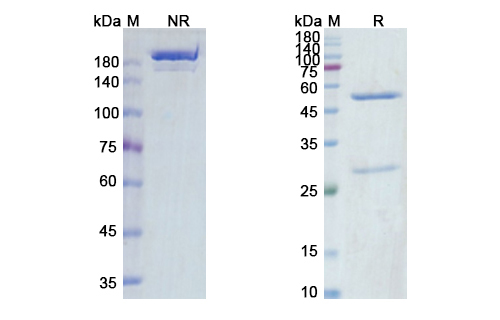
Panobacumab Biosimilar is a chimeric monoclonal antibody, meaning it is composed of both human and mouse components. It consists of two heavy chains and two light chains, each with a specific amino acid sequence. The heavy chains are responsible for binding to the target antigen, while the light chains provide structural support. The variable regions of the antibody, also known as the antigen-binding sites, are highly specific for the serotype IATS O12 and allow for precise targeting and neutralization of the bacteria.
The constant regions of Panobacumab Biosimilar are derived from human antibodies, making it less likely to cause an immune response in patients. This is an important characteristic for a therapeutic antibody, as it ensures safety and efficacy in clinical use.
Activity of Panobacumab Biosimilar
Panobacumab Biosimilar works by binding to the surface of the serotype IATS O12 bacteria, specifically targeting the lipopolysaccharide (LPS) layer. This layer is essential for the bacteria’s survival and virulence, making it an ideal target for neutralization. By binding to the LPS, Panobacumab Biosimilar prevents the bacteria from attaching to host cells and causing infection.
In addition to neutralization, Panobacumab Biosimilar also activates the immune system to clear the bacteria. This is achieved through the binding of the antibody’s constant region to immune cells, triggering an immune response. This dual mechanism of action makes Panobacumab Biosimilar a potent and effective therapeutic option for infections caused by serotype IATS O12 bacteria.
Applications of Panobacumab Biosimilar
As a biosimilar of Panobacumab, this antibody has the potential to be used in a variety of clinical and research applications. Its primary use is in the treatment of infections caused by serotype IATS O12 bacteria, such as pneumonia and sepsis. By neutralizing the bacteria and activating the immune system, Panobacumab Biosimilar can help to clear the infection and improve patient outcomes.
In addition to its therapeutic applications, Panobacumab Biosimilar can also be used in research settings to study the mechanisms of bacterial infection and develop new treatments. Its high specificity for serotype IATS O12 makes it a valuable tool for identifying and studying this particular strain of bacteria.
Conclusion
Panobacumab Biosimilar is a potent and highly specific monoclonal antibody that targets the serotype IATS O12 bacteria. Its chimeric structure, dual mechanism of action, and potential applications make it a promising therapeutic option for infections caused by this bacterial strain. As research in the field of infectious diseases continues to advance, Panobacumab Biosimilar will play a crucial role in the development of new treatments and the improvement of patient outcomes.
Keywords: Panobacumab Biosimilar, Anti-Serotype IATS O12 mAb, monoclonal antibody, biosimilar, serotype IATS O12, lipopolysaccharide, neutralization, immune response, infections, pneumonia, sepsis, research, therapeutic target.


There are no reviews yet.