Introduction
Edrecolomab Biosimilar, also known as Anti-EPCAM mAb, is a monoclonal antibody that has been developed as a biosimilar version of the original Edrecolomab. This biosimilar has been designed to target the Epithelial Cell Adhesion Molecule (EPCAM), a protein that is overexpressed in various types of cancer cells. In this article, we will discuss the structure, activity, and potential applications of Edrecolomab Biosimilar in the field of cancer research.
Structure of Edrecolomab Biosimilar
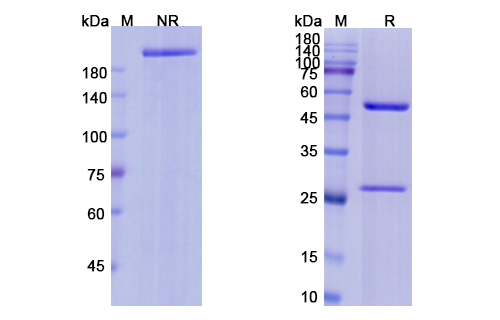
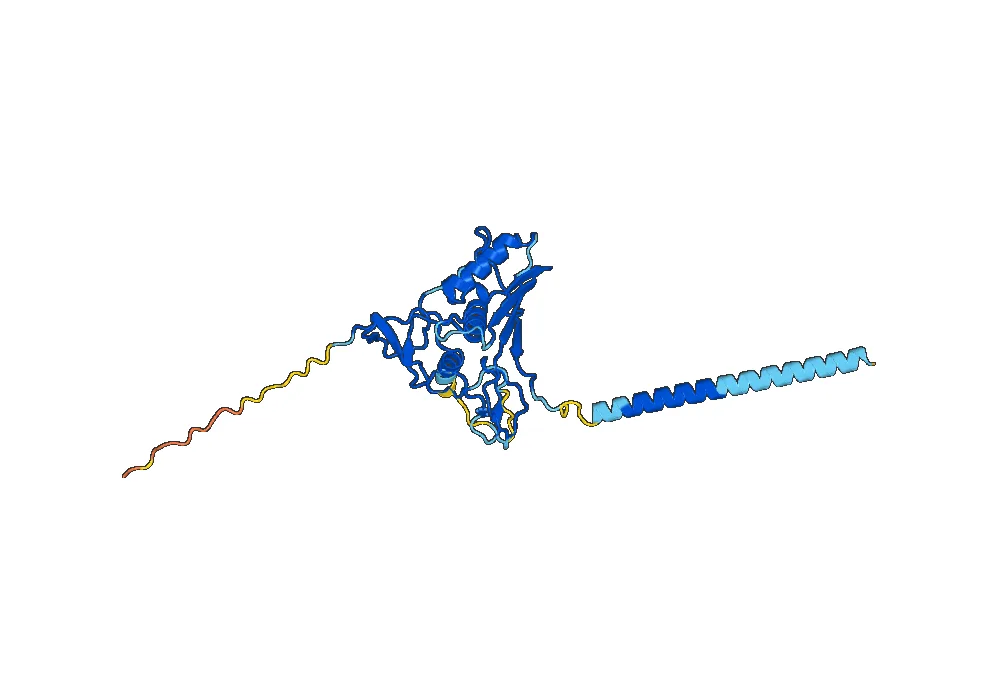
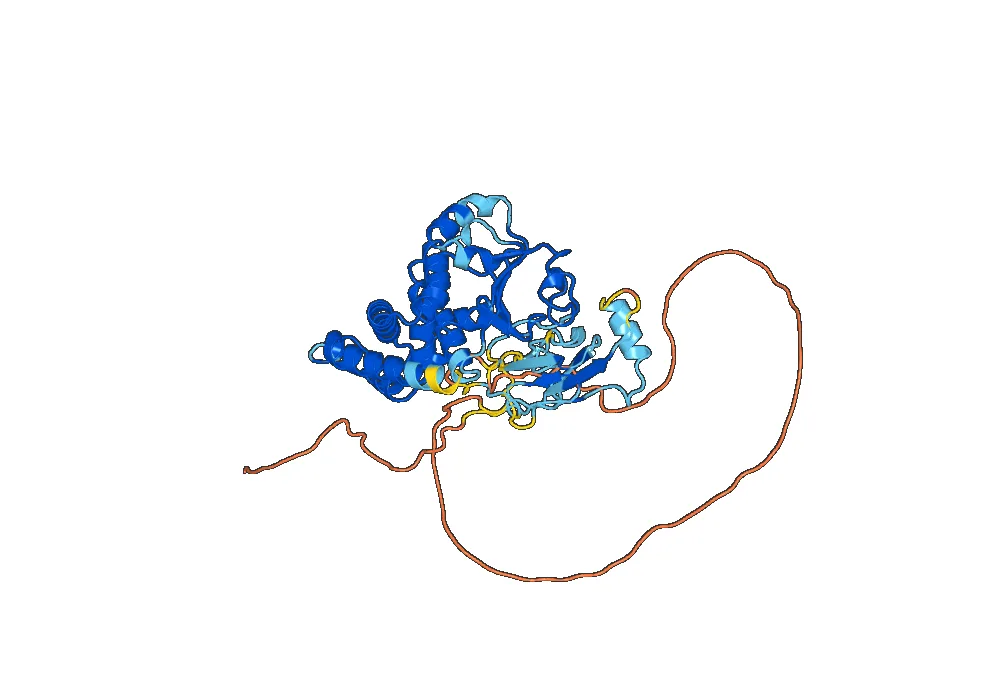
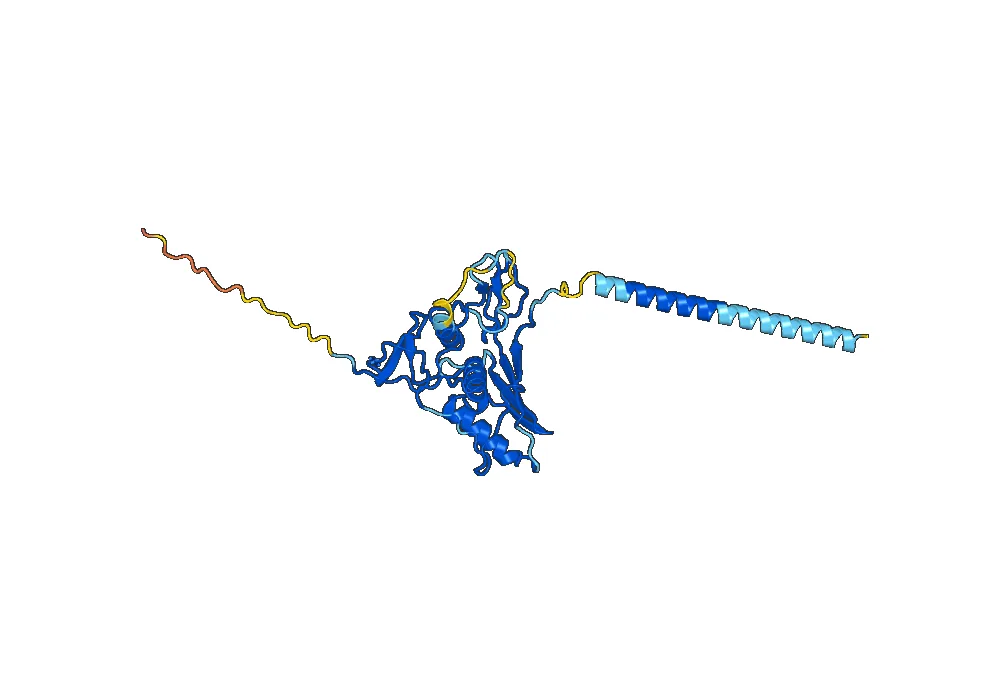
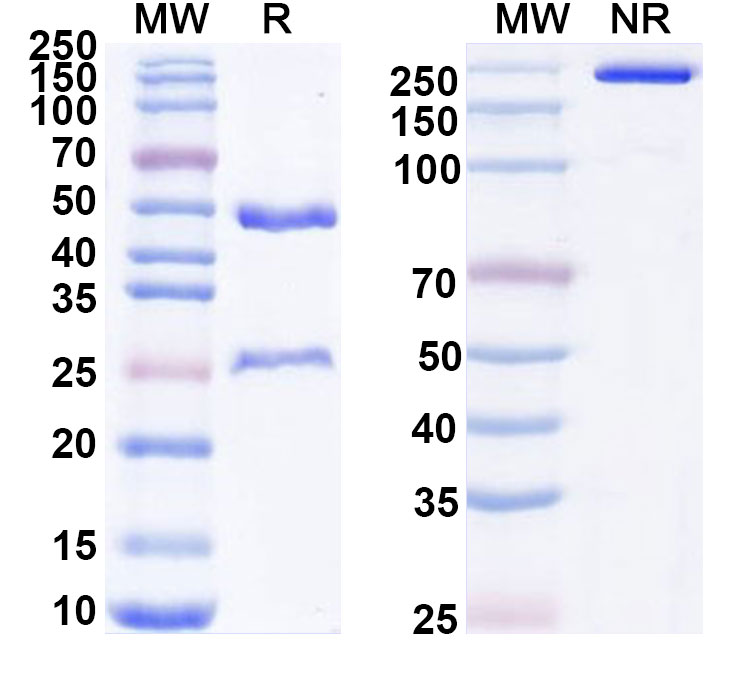
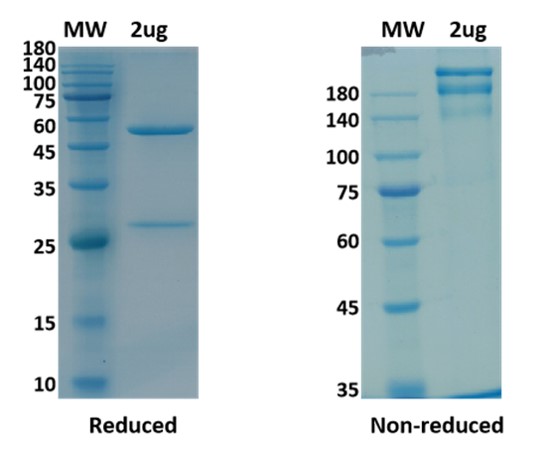
Edrecolomab Biosimilar is a monoclonal antibody that is produced through recombinant DNA technology. It is a humanized antibody, meaning that it contains both human and mouse components. The antibody is composed of two heavy chains and two light chains, which are linked together by disulfide bonds. The variable regions of the antibody are responsible for binding to the EPCAM protein, while the constant regions determine the antibody’s effector functions.
Activity of Edrecolomab Biosimilar
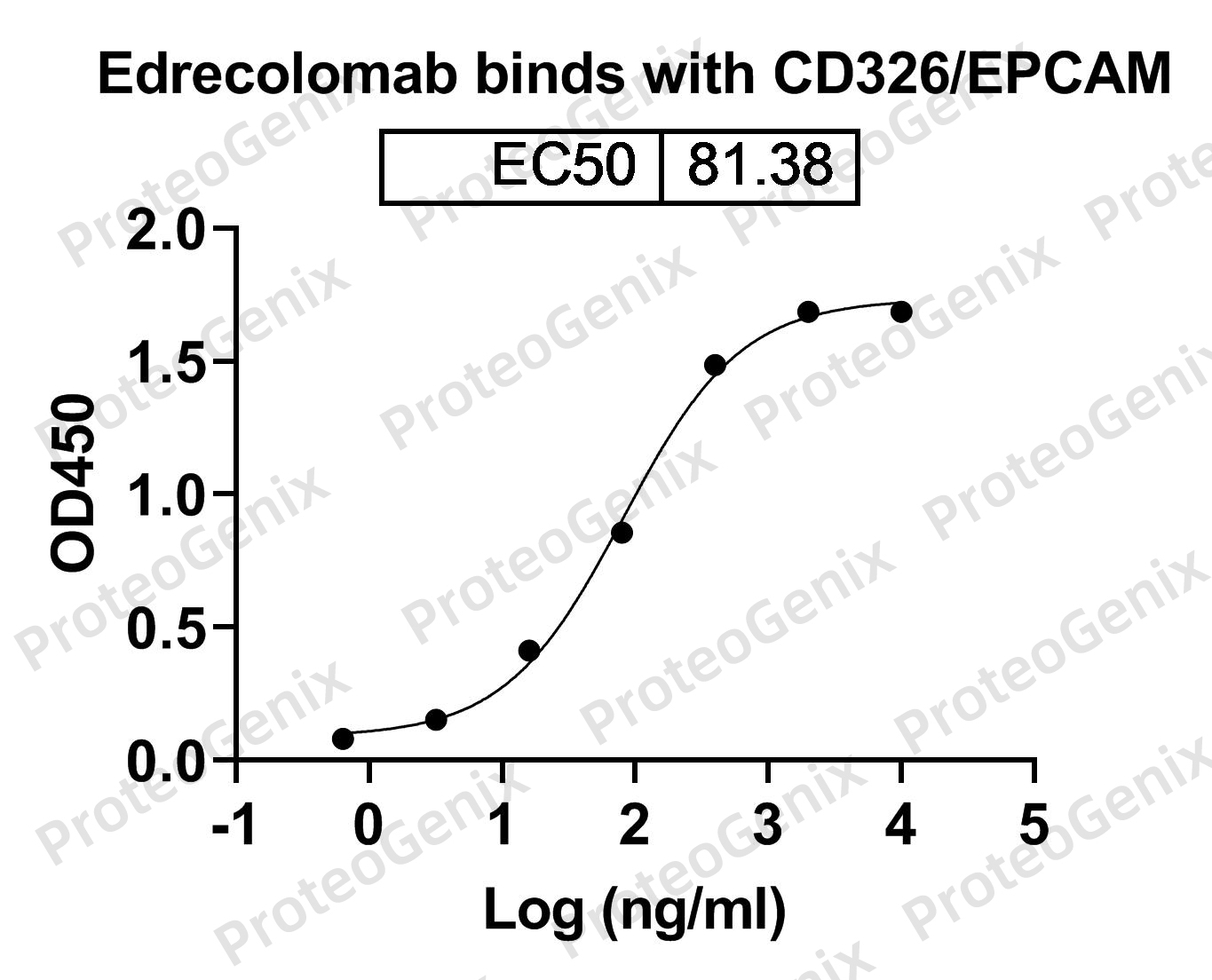
The primary activity of Edrecolomab Biosimilar is to bind to EPCAM, a transmembrane glycoprotein that is expressed on the surface of many types of cancer cells. By binding to EPCAM, the antibody can block the interaction between cancer cells and the surrounding tissues, thus inhibiting tumor growth and metastasis. Additionally, Edrecolomab Biosimilar can also induce antibody-dependent cell-mediated cytotoxicity (ADCC), where immune cells such as natural killer cells are activated to kill cancer cells that are bound by the antibody.
Applications of Edrecolomab Biosimilar
Edrecolomab Biosimilar has shown promising results in preclinical studies and is currently being evaluated in clinical trials for its potential use in treating various types of cancer. Some of the potential applications of this biosimilar include:
1. Targeted therapy for colorectal cancer: EPCAM is highly expressed in colorectal cancer cells, making it an ideal target for Edrecolomab Biosimilar. In a phase II clinical trial, this biosimilar was found to be effective in reducing tumor size and improving overall survival in patients with metastatic colorectal cancer.
2. Treatment for other EPCAM-positive cancers: Apart from colorectal cancer, EPCAM is also overexpressed in other types of cancer, such as breast, lung, and pancreatic cancer. Edrecolomab Biosimilar has the potential to be used as a targeted therapy for these cancers as well.
3. Adjuvant therapy for surgery: In some cases, cancer cells can spread and form new tumors after surgery. Edrecolomab Biosimilar can be used as an adjuvant therapy to prevent tumor recurrence by targeting any remaining cancer cells after surgery.
4. Diagnostic tool: Edrecolomab Biosimilar can also be used as a diagnostic tool to detect the presence of EPCAM in cancer cells. This can help in early detection and treatment of cancer.
Conclusion
Edrecolomab Biosimilar, as a biosimilar version of Edrecolomab, has a similar structure and activity in targeting EPCAM. Its potential applications in cancer treatment make it a promising therapeutic option for patients with EPCAM-positive cancers. Further clinical trials and research are needed to fully understand the potential of this biosimilar in the field of cancer research.

There are no reviews yet.