Introduction
Inotuzumab Biosimilar, also known as Anti-CD22 mAb, is a monoclonal antibody that has been developed as a biosimilar to the original drug Inotuzumab Ozogamicin. It is a targeted therapy that specifically binds to the CD22 protein, which is overexpressed on the surface of certain cancer cells. In this article, we will explore the structure, activity, and potential applications of Inotuzumab Biosimilar as a research-grade antibody.
Structure of Inotuzumab Biosimilar
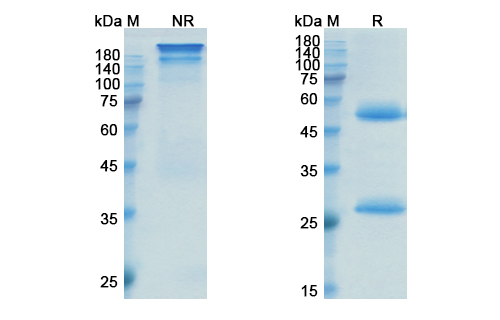
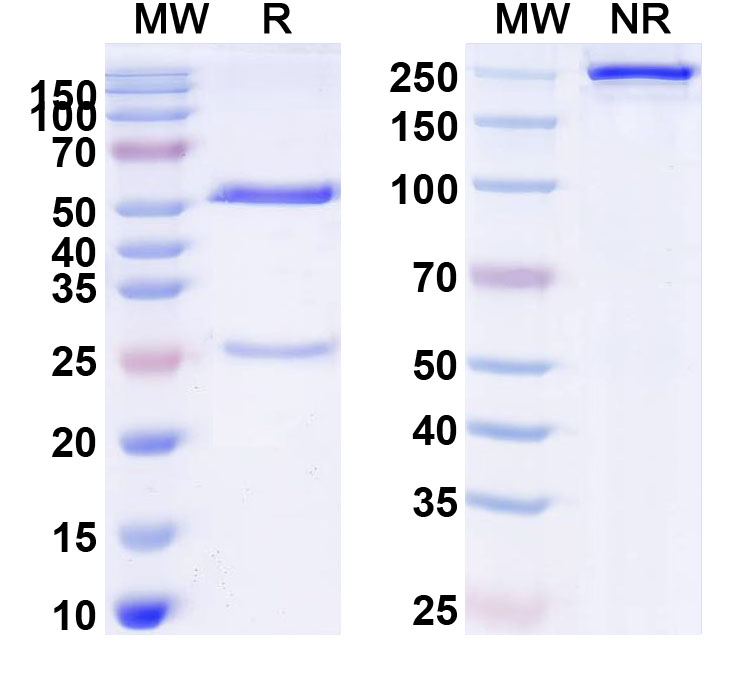
Inotuzumab Biosimilar is a recombinant, chimeric monoclonal antibody that is composed of both human and murine components. It is composed of two heavy chains and two light chains, each containing a variable region that specifically binds to the CD22 protein. The constant regions of the antibody are derived from human IgG1, making it less immunogenic and more suitable for use in humans. The antibody has a molecular weight of approximately 150 kDa.
Activity of Inotuzumab Biosimilar
The primary mechanism of action of Inotuzumab Biosimilar is through its binding to the CD22 protein. CD22 is a B-cell receptor that is expressed on the surface of B-cell lymphomas and leukemias. By binding to CD22, Inotuzumab Biosimilar targets and delivers a cytotoxic agent, calicheamicin, to the cancer cells. This results in the destruction of the cancer cells and inhibits their growth and proliferation.
In addition to its direct cytotoxic effects, Inotuzumab Biosimilar also has immunomodulatory effects. It has been shown to increase the activity of natural killer cells and enhance their ability to kill cancer cells. This can further enhance the efficacy of the antibody in treating cancer.
Applications of Inotuzumab Biosimilar
Inotuzumab Biosimilar is currently being studied as a potential treatment for various types of B-cell malignancies, including non-Hodgkin’s lymphoma and acute lymphoblastic leukemia. It is being evaluated as a single agent and in combination with other chemotherapeutic agents.
As a research-grade antibody, Inotuzumab Biosimilar can also be used in laboratory studies to further understand the mechanisms of action and potential applications of this targeted therapy. It can also be used to develop new assays and diagnostic tools for detecting CD22 expression in cancer cells.
Conclusion
Inotuzumab Biosimilar, also known as Anti-CD22 mAb, is a monoclonal antibody that specifically targets the CD22 protein on the surface of cancer cells. Its unique structure and mechanism of action make it a promising treatment option for B-cell malignancies. As a research-grade antibody, it also has potential applications in laboratory studies and diagnostic tools. Further research and clinical trials are needed to fully understand the potential of Inotuzumab Biosimilar in treating cancer.


There are no reviews yet.