Introduction
Tuparstobart Biosimilar – Anti-FDC mAb is a novel therapeutic antibody that has been developed to target follicular dendritic cells (FDCs). FDCs are specialized cells found in the lymphoid tissues that play a crucial role in the immune response by presenting antigens to B cells and promoting their activation and differentiation into plasma cells. This biosimilar antibody has been designed to mimic the structure and function of the naturally occurring anti-FDC antibodies, making it a promising candidate for the treatment of various immune disorders. In this article, we will discuss the structure, activity, and potential applications of Tuparstobart Biosimilar – Anti-FDC mAb in detail.
Structure of Tuparstobart Biosimilar – Anti-FDC mAb
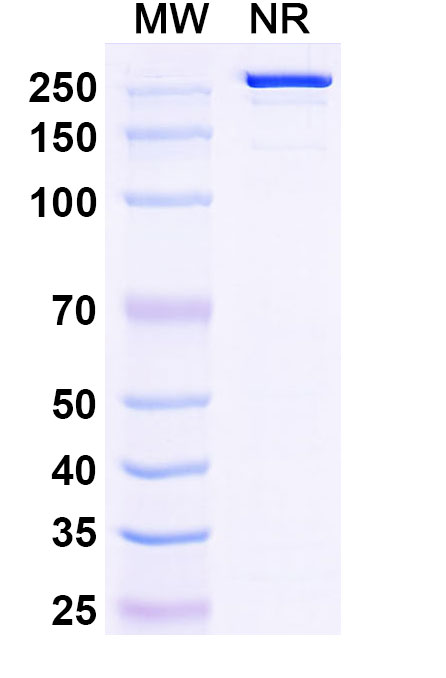
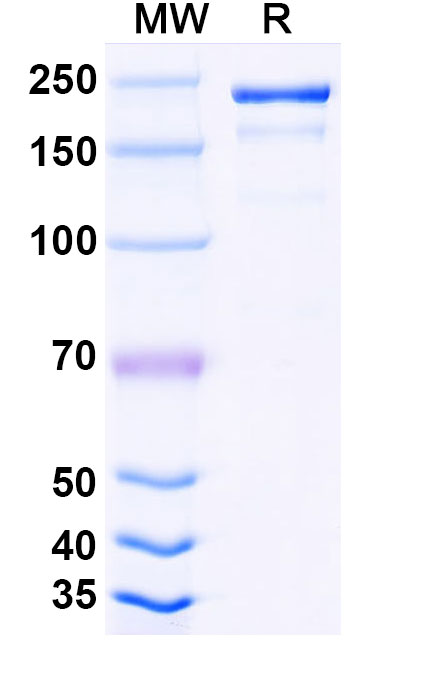
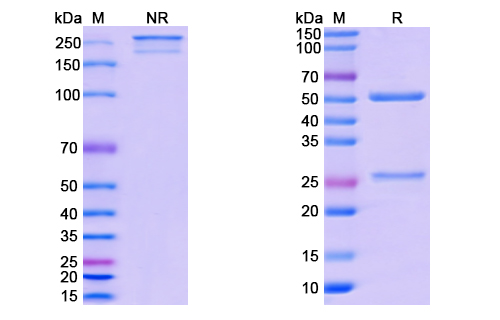
Tuparstobart Biosimilar – Anti-FDC mAb is a monoclonal antibody that is produced by recombinant DNA technology. It is a fully humanized IgG1 antibody that contains two heavy chains and two light chains, each with a variable and a constant region. The variable regions of the antibody are responsible for binding to the FDCs, while the constant regions mediate effector functions such as complement activation and antibody-dependent cell-mediated cytotoxicity (ADCC). The antibody has a molecular weight of approximately 150 kDa and a half-life of 21 days, making it suitable for therapeutic use.
Activity of Tuparstobart Biosimilar – Anti-FDC mAb
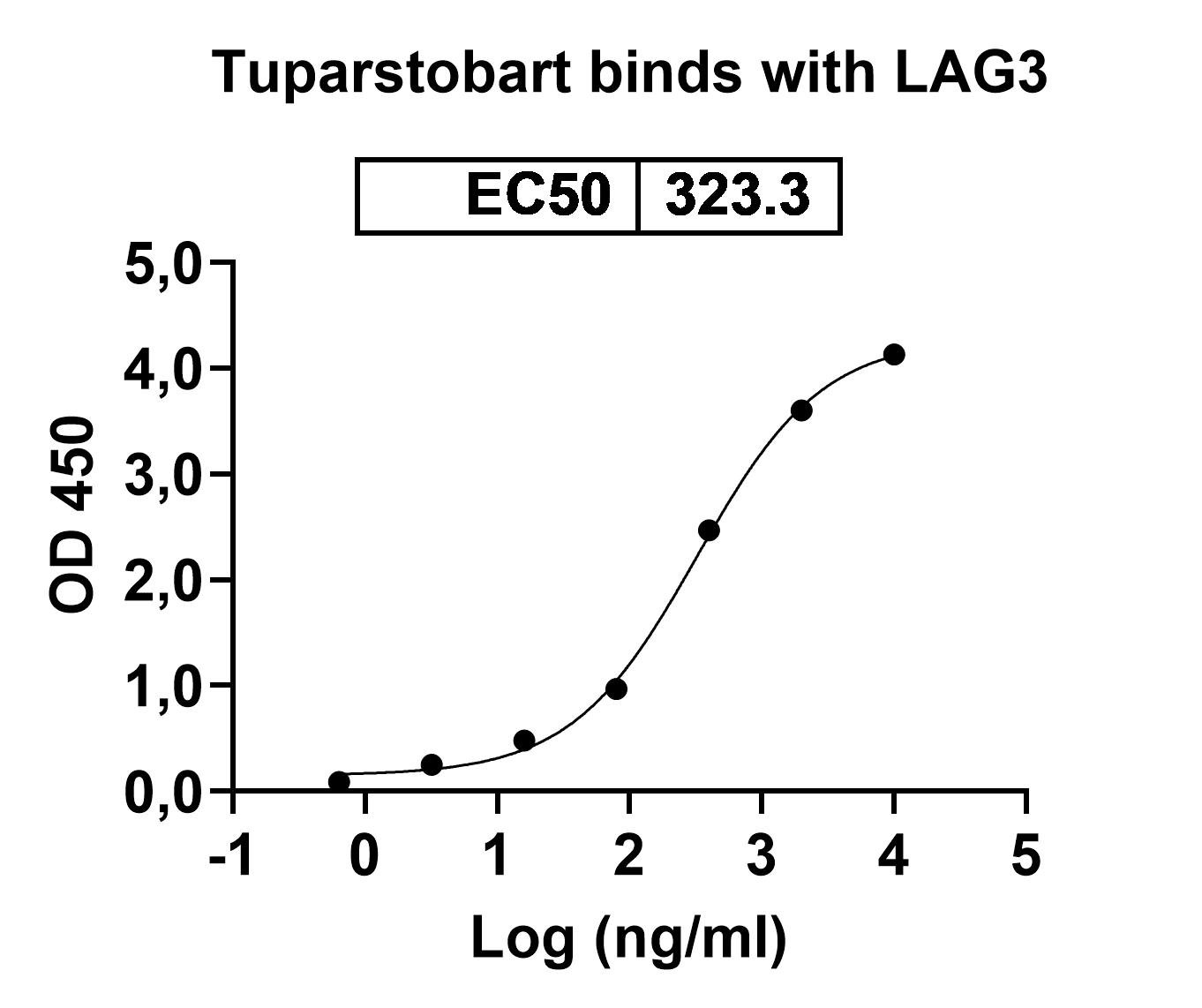
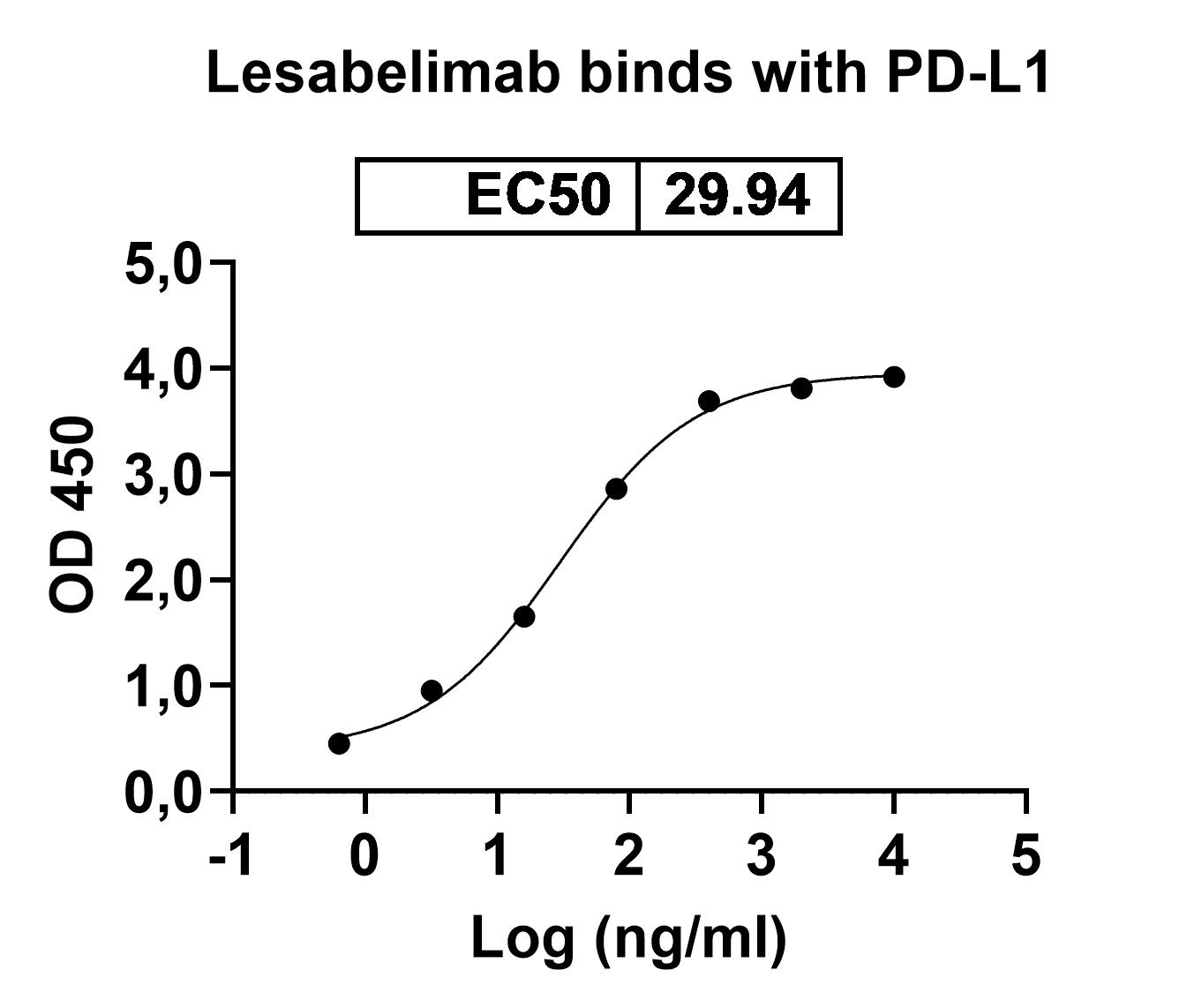
Tuparstobart Biosimilar – Anti-FDC mAb has a high affinity for FDCs and binds to them with specificity and selectivity. This binding leads to the inhibition of FDC function, preventing their ability to present antigens to B cells. This, in turn, suppresses the activation and differentiation of B cells into plasma cells, thereby reducing the production of antibodies. Additionally, the antibody also activates complement and induces ADCC, resulting in the destruction of FDCs. These activities of Tuparstobart Biosimilar – Anti-FDC mAb make it a potent immunosuppressive agent that can be used to treat various immune-mediated disorders.
Applications of Tuparstobart Biosimilar – Anti-FDC mAb
Tuparstobart Biosimilar – Anti-FDC mAb has shown promising results in preclinical studies and has the potential to be used in the treatment of a wide range of immune disorders. Some of the potential applications of this biosimilar antibody are discussed below:
1.
Autoimmune disorders: FDCs play a crucial role in the development of autoimmune disorders by promoting the production of autoantibodies. By inhibiting FDC function, Tuparstobart Biosimilar – Anti-FDC mAb can reduce the production of autoantibodies and alleviate the symptoms of autoimmune diseases such as rheumatoid arthritis, lupus, and multiple sclerosis.
2. Allergies: FDCs are also involved in the production of IgE antibodies, which play a role in allergic reactions. By targeting FDCs, Tuparstobart Biosimilar – Anti-FDC mAb can potentially reduce the production of IgE and alleviate the symptoms of allergies.
3. Organ transplant rejection: FDCs are known to play a role in the rejection of transplanted organs by promoting the production of donor-specific antibodies. By inhibiting FDC function, Tuparstobart Biosimilar – Anti-FDC mAb can reduce the risk of organ rejection and improve the success rate of organ transplantation.
4.
Cancer: FDCs have been found to play a role in the growth and survival of certain types of cancer cells. By targeting FDCs, Tuparstobart Biosimilar – Anti-FDC mAb can potentially inhibit the growth and spread of cancer cells, making it a promising candidate for cancer therapy.
Conclusion
Tuparstobart Biosimilar – Anti-FDC mAb is a novel therapeutic antibody that has been designed to target FDCs and inhibit their function. Its unique structure and potent activity make it a promising candidate for the treatment of various immune disorders, including autoimmune diseases, allergies, organ transplant rejection, and cancer.
There are no reviews yet.