Introduction
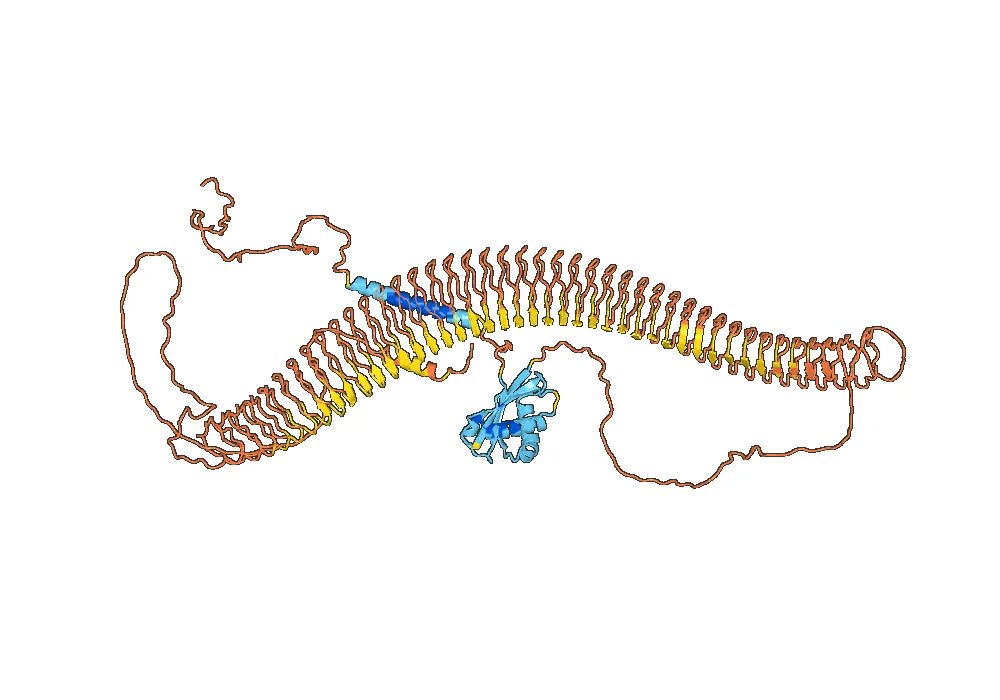
Cantuzumab Biosimilar, also known as Anti-CA242 mAb, is a monoclonal antibody that has been developed as a biosimilar to the therapeutic antibody Cantuzumab Ravtansine. This biosimilar is designed to target the protein CA242, which is overexpressed in certain types of cancer. In this article, we will explore the structure, activity, and potential applications of Cantuzumab Biosimilar in research.
Structure of Cantuzumab Biosimilar
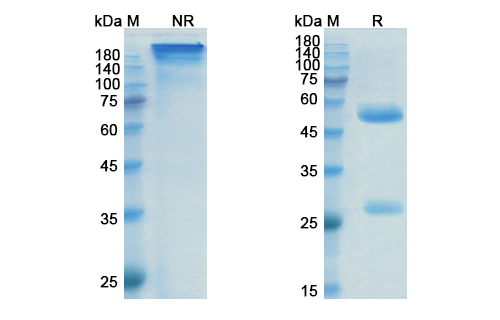
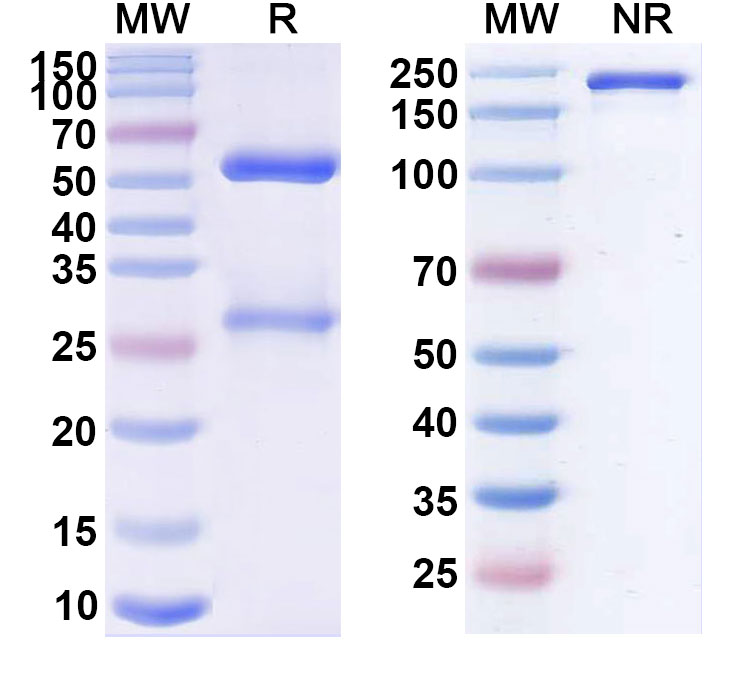
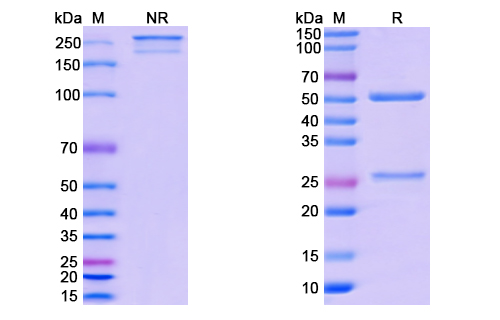
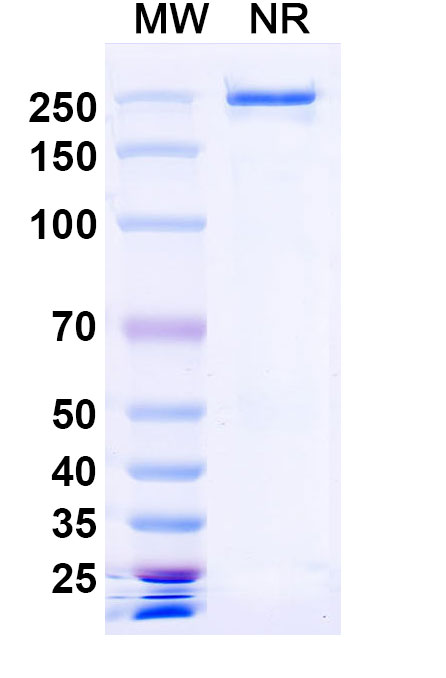
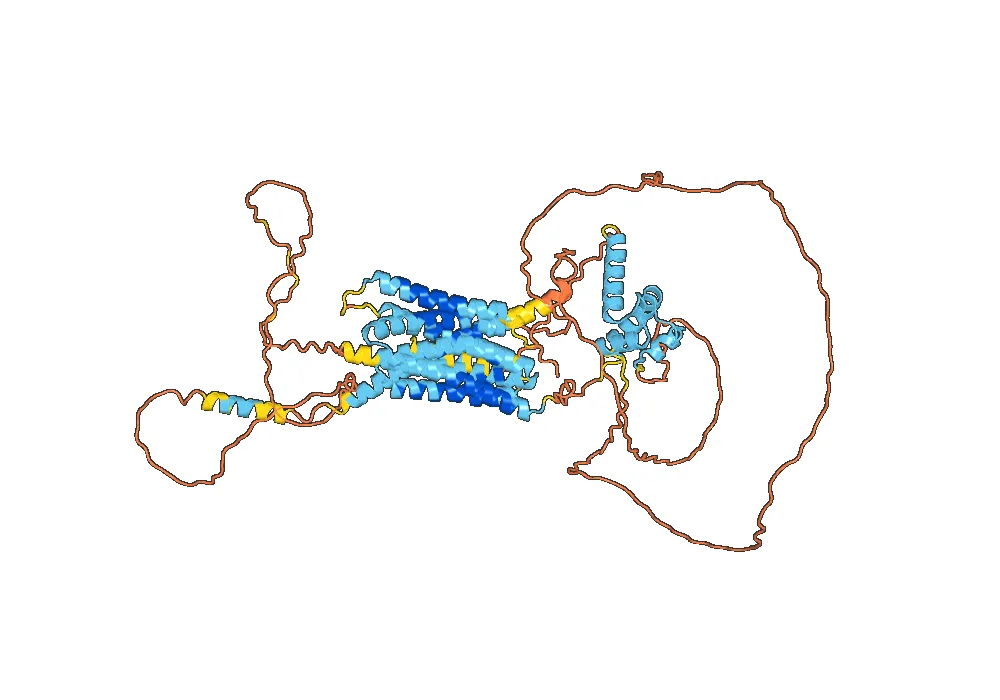
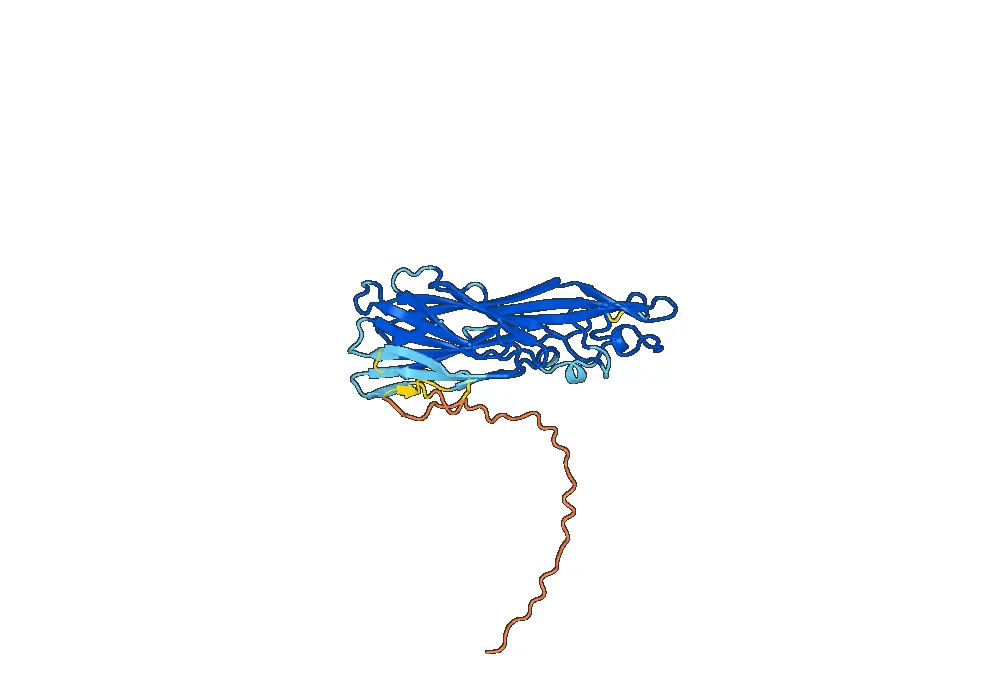
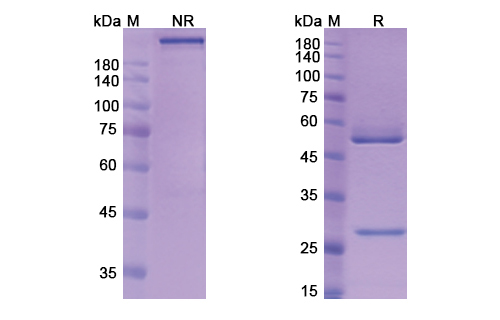
Cantuzumab Biosimilar is a recombinant, humanized monoclonal antibody that is produced in Chinese hamster ovary (CHO) cells. It is composed of two heavy chains and two light chains, each containing a variable region and a constant region. The variable regions of the antibody are responsible for binding to the target protein, CA242, while the constant regions provide stability and effector functions.
Activity of Cantuzumab Biosimilar
The primary activity of Cantuzumab Biosimilar is its ability to bind specifically to the protein CA242. This binding occurs through the variable regions of the antibody, which recognize and bind to specific epitopes on the surface of CA242. This binding can prevent the interaction of CA242 with its receptors, inhibiting its downstream signaling pathways and potentially leading to the inhibition of cancer cell growth and survival.
In addition to its direct binding activity, Cantuzumab Biosimilar also has effector functions that can contribute to its therapeutic effects. These include antibody-dependent cellular cytotoxicity (ADCC) and complement-dependent cytotoxicity (CDC). In ADCC, the antibody binds to the target protein and recruits immune cells, such as natural killer cells, to destroy the targeted cells. In CDC, the antibody activates the complement system, leading to the formation of membrane attack complexes that can lyse the targeted cells.
Applications of Cantuzumab Biosimilar in Research
Cantuzumab Biosimilar has potential applications in various research areas, particularly in the field of cancer research. Its ability to specifically target CA242 makes it a valuable tool for studying the role of this protein in cancer development and progression. Researchers can use Cantuzumab Biosimilar to block the activity of CA242 and observe the effects on cancer cells, providing insights into the mechanisms of this protein in cancer.
Additionally, Cantuzumab Biosimilar can be used in preclinical studies to evaluate its potential as a therapeutic agent for the treatment of CA242-positive cancers. Its ability to inhibit cancer cell growth and survival, as well as its effector functions, make it a promising candidate for further development as a cancer treatment.
Furthermore, Cantuzumab Biosimilar can also be used in diagnostic research. CA242 is a biomarker for certain types of cancer, including pancreatic and colorectal cancer, and the ability of Cantuzumab Biosimilar to specifically target this protein makes it a potential tool for detecting and monitoring these cancers.
Conclusion
In summary, Cantuzumab Biosimilar is a recombinant, humanized monoclonal antibody that specifically targets the protein CA242. Its structure, activity, and potential applications make it a valuable tool in research related to cancer. Further studies and development of this biosimilar could potentially lead to its use as a therapeutic agent for the treatment of CA242-positive cancers.

There are no reviews yet.