Introduction
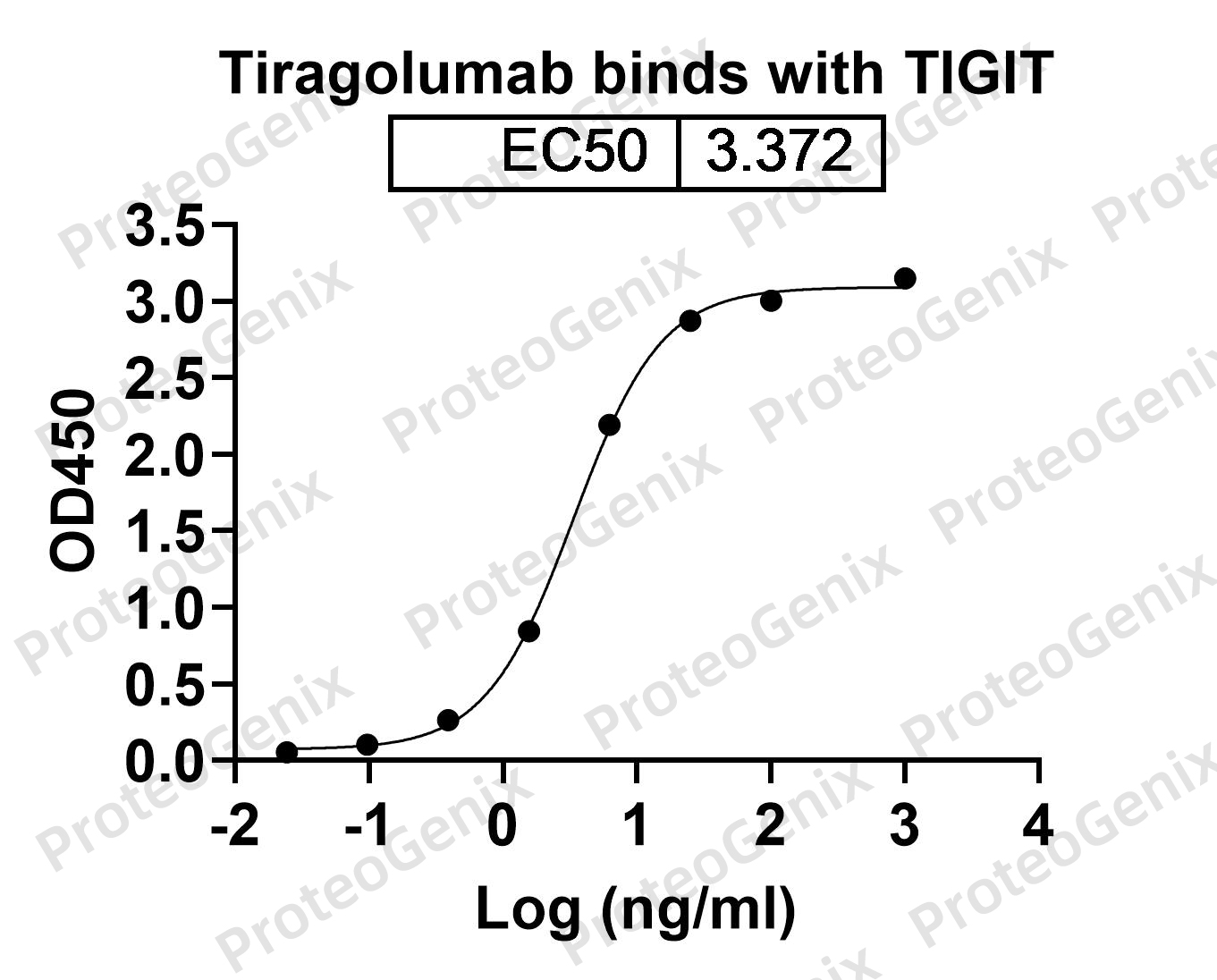
Tiragolumab is a biosimilar antibody that targets the T cell immunoreceptor with immunoglobulin and ITIM domains (TIGIT) protein. It is also known as anti-TIGIT, VSIG9, VSTM3 monoclonal antibody (mAb) and is used in research grade applications. This article will provide a scientific description of Tiragolumab, including its structure, activity, and potential applications.
Structure of Tiragolumab
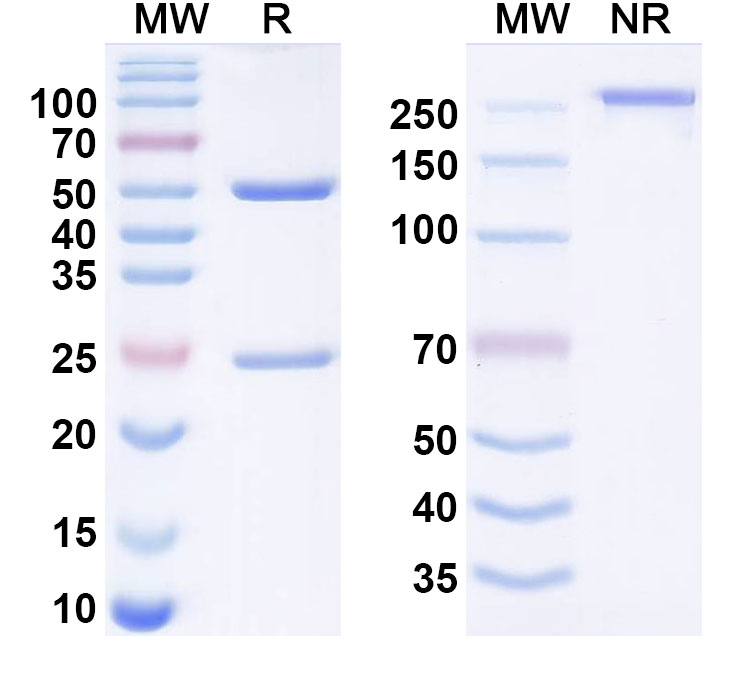
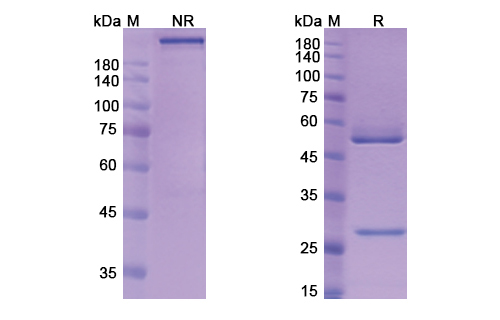
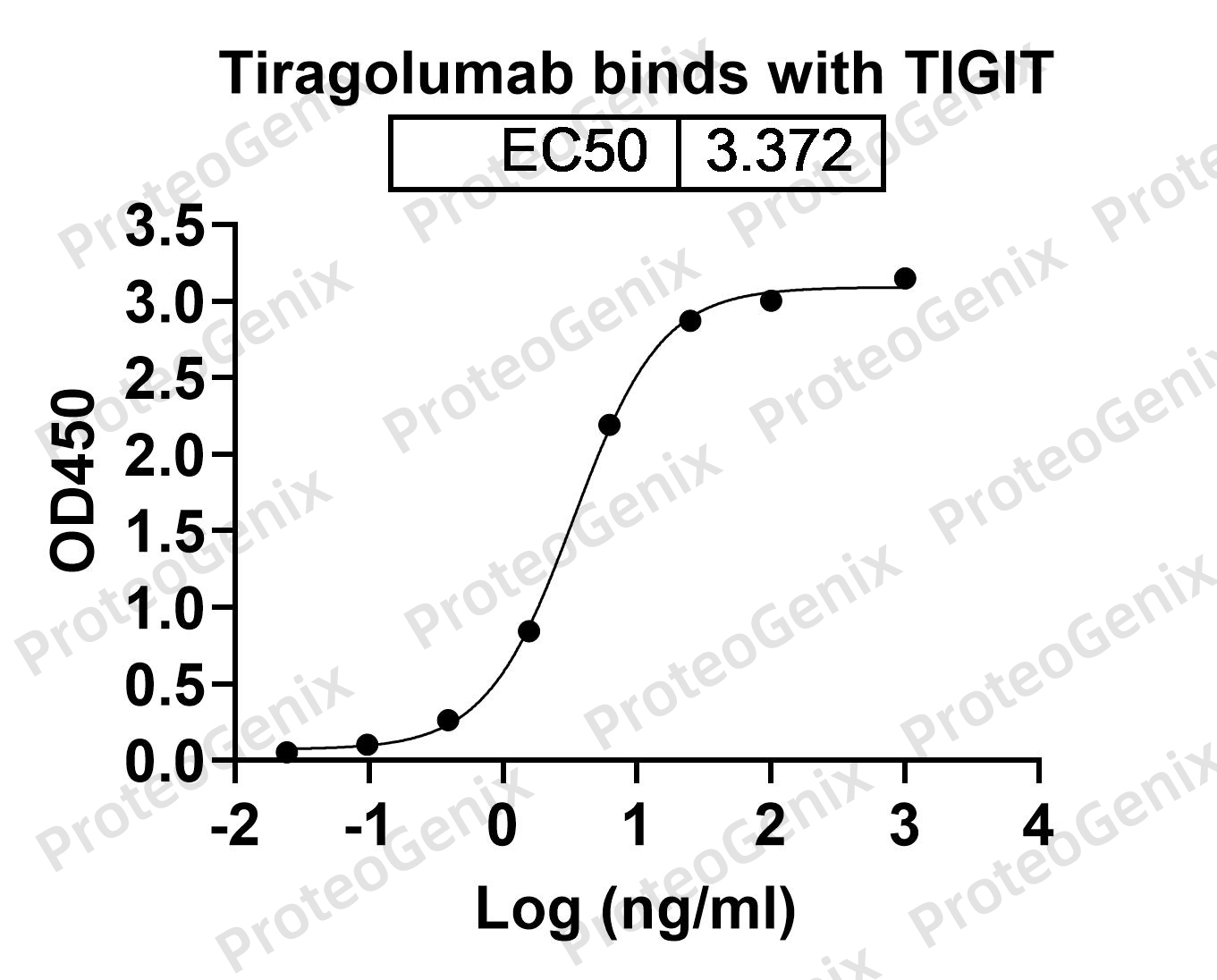
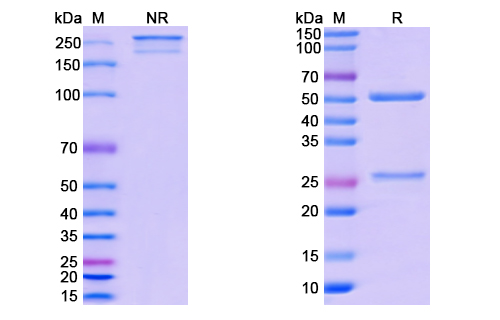
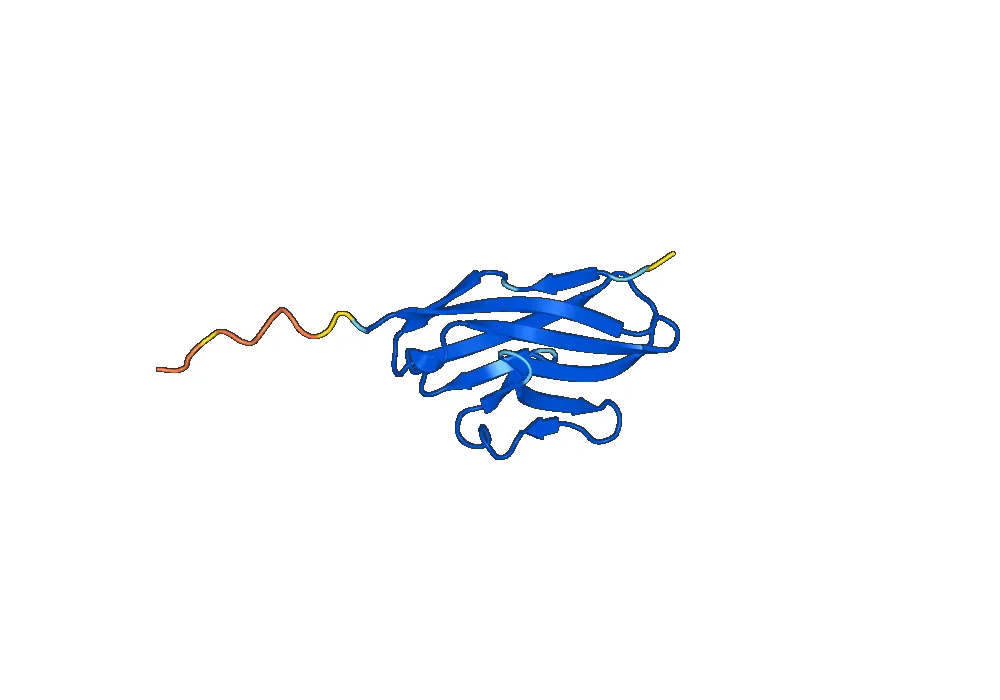
Tiragolumab is a type of monoclonal antibody, which means it is a laboratory-produced protein that is designed to target a specific molecule in the body. It is a fully humanized IgG1 antibody, meaning it is derived from human cells and has a specific type of constant region called IgG1. This structure allows Tiragolumab to bind to its target, TIGIT, with high specificity and affinity.
Activity of Tiragolumab
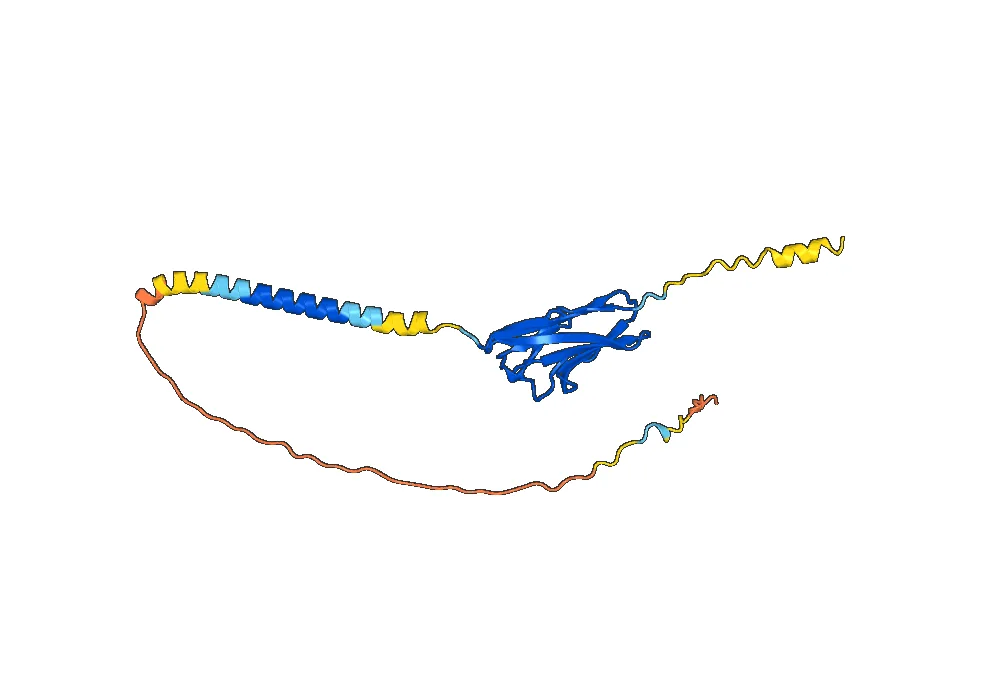
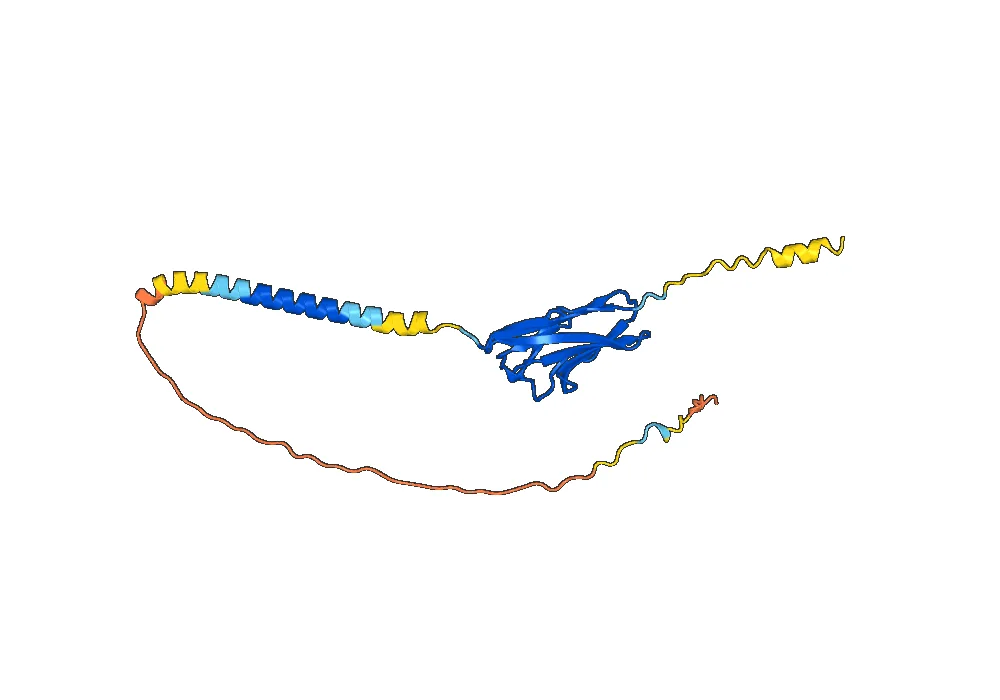
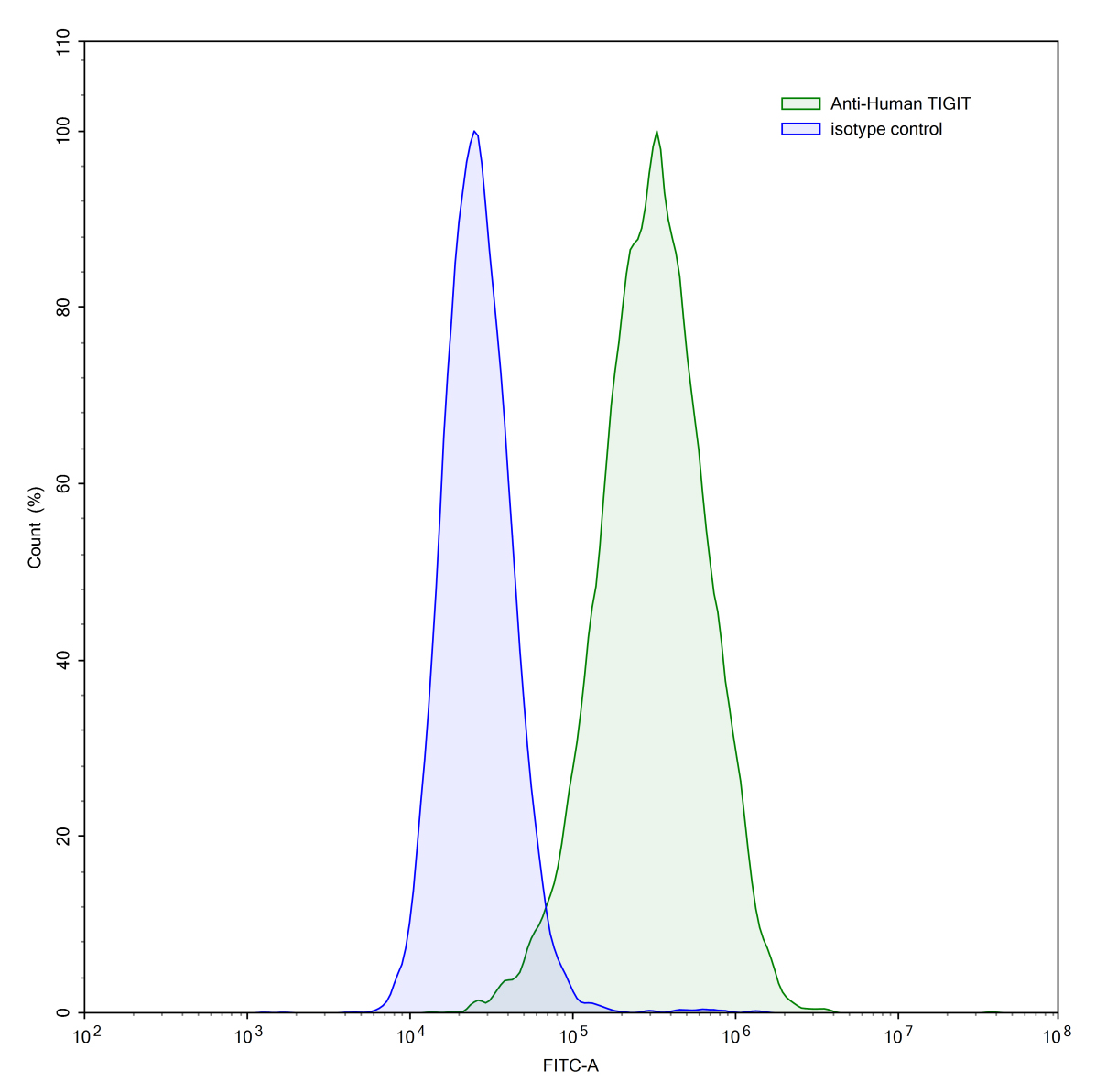
TIGIT is a protein that is expressed on the surface of immune cells, including T cells and natural killer (NK) cells. It is known to act as an immune checkpoint, meaning it regulates the activity of these cells. TIGIT binds to a protein called poliovirus receptor (PVR) on other cells, which can inhibit the function of T cells and NK cells. This can lead to a suppression of the immune response, which is beneficial in certain situations, such as during pregnancy or in the prevention of autoimmune diseases. However, in cancer, TIGIT can be overexpressed on tumor-infiltrating immune cells, leading to immune evasion and tumor progression.
Tiragolumab works by binding to TIGIT, blocking its interaction with PVR and preventing the inhibitory signal. This allows for the activation and function of T cells and NK cells, which can then mount an effective immune response against cancer cells. In addition, Tiragolumab can also promote the activation of dendritic cells, which are important for initiating an immune response.
Applications of Tiragolumab
Tiragolumab is currently being investigated in clinical trials as a potential therapeutic agent for various types of cancer, including non-small cell lung cancer (NSCLC), head and neck cancer, and ovarian cancer. It is being evaluated both as a monotherapy and in combination with other cancer treatments, such as chemotherapy and other immunotherapies.
In addition to its potential as a cancer treatment, Tiragolumab also has potential applications in other diseases where TIGIT plays a role, such as autoimmune diseases and infectious diseases. It may also have a role in combination with other immune checkpoint inhibitors, such as anti-PD-1 and anti-CTLA-4 antibodies, to enhance their effectiveness.
Conclusion
Tiragolumab is a biosimilar antibody that targets TIGIT, a protein involved in immune regulation. Its structure as a fully humanized IgG1 antibody allows for high specificity and affinity for its target. By blocking the inhibitory signal of TIGIT, Tiragolumab can promote the activation and function of immune cells, making it a potential therapeutic agent for cancer and other diseases. Further research and clinical trials are needed to fully understand the potential of Tiragolumab in various applications.
There are no reviews yet.