Introduction
Avizakimab Biosimilar, also known as Anti-IL21 mAb, is a monoclonal antibody that has been developed as a biosimilar to the original drug, Avizakimab. This biosimilar is a promising therapeutic option for various autoimmune diseases and has shown great potential in preclinical and clinical studies. In this article, we will provide a scientific description of Avizakimab Biosimilar, including its structure, activity, and potential applications.
Structure of Avizakimab Biosimilar
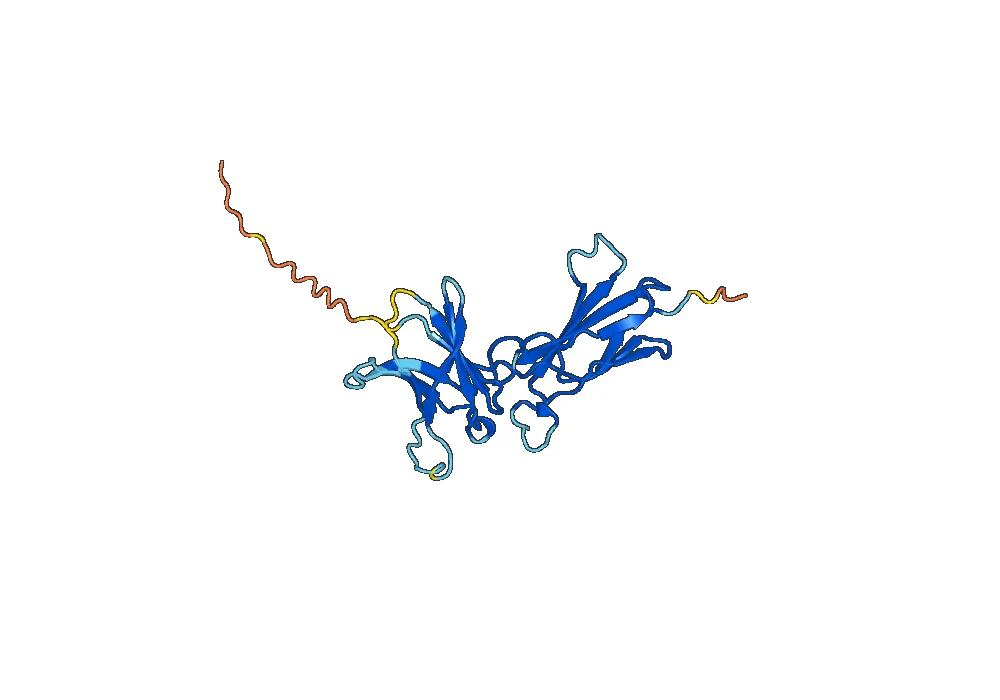
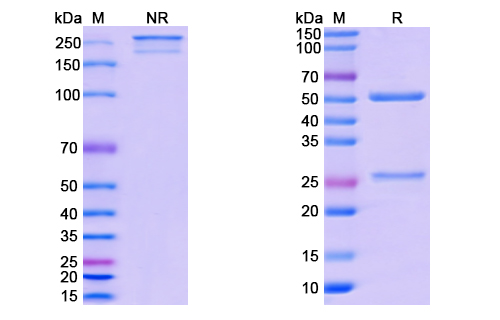
Avizakimab Biosimilar is a recombinant humanized monoclonal antibody that specifically targets Interleukin-21 (IL-21). It is composed of two identical heavy chains and two identical light chains, each containing variable and constant regions. The variable regions of the antibody are responsible for binding to IL-21, while the constant regions provide stability and effector functions.
The amino acid sequence of Avizakimab Biosimilar is highly similar to the original drug, Avizakimab. This similarity is crucial for the biosimilar to have the same efficacy and safety profile as the original drug. The structural similarity of Avizakimab Biosimilar to Avizakimab has been confirmed through various analytical techniques, including mass spectrometry and peptide mapping.
Activity of Avizakimab Biosimilar
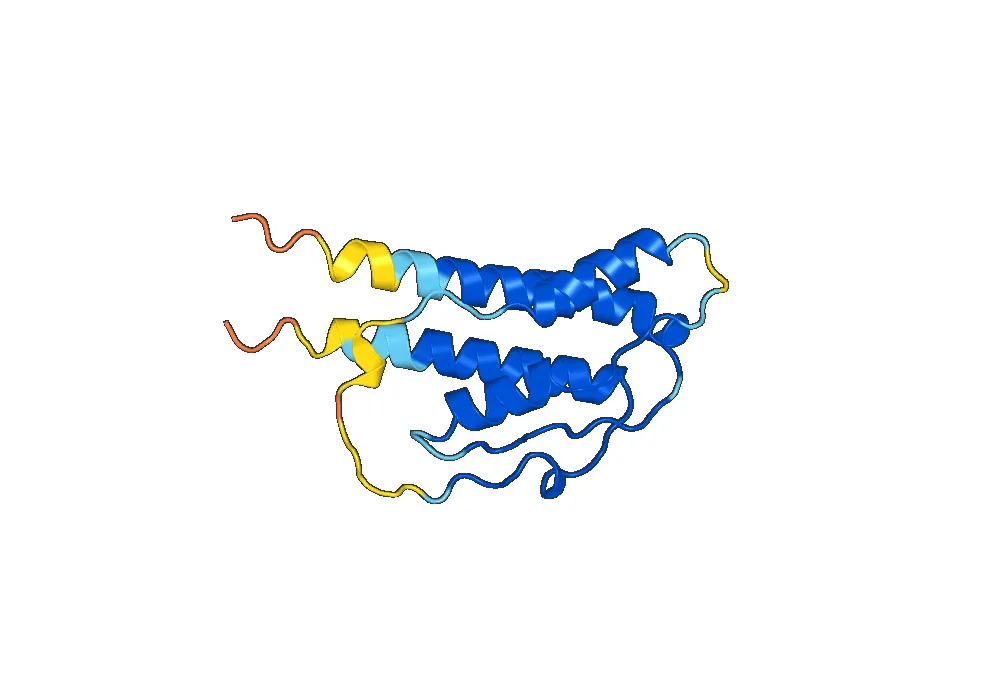
Avizakimab Biosimilar exerts its activity by specifically binding to IL-21, a cytokine that plays a crucial role in the regulation of immune responses. IL-21 is produced by activated T cells and has been implicated in the pathogenesis of various autoimmune diseases, including rheumatoid arthritis, lupus, and psoriasis.
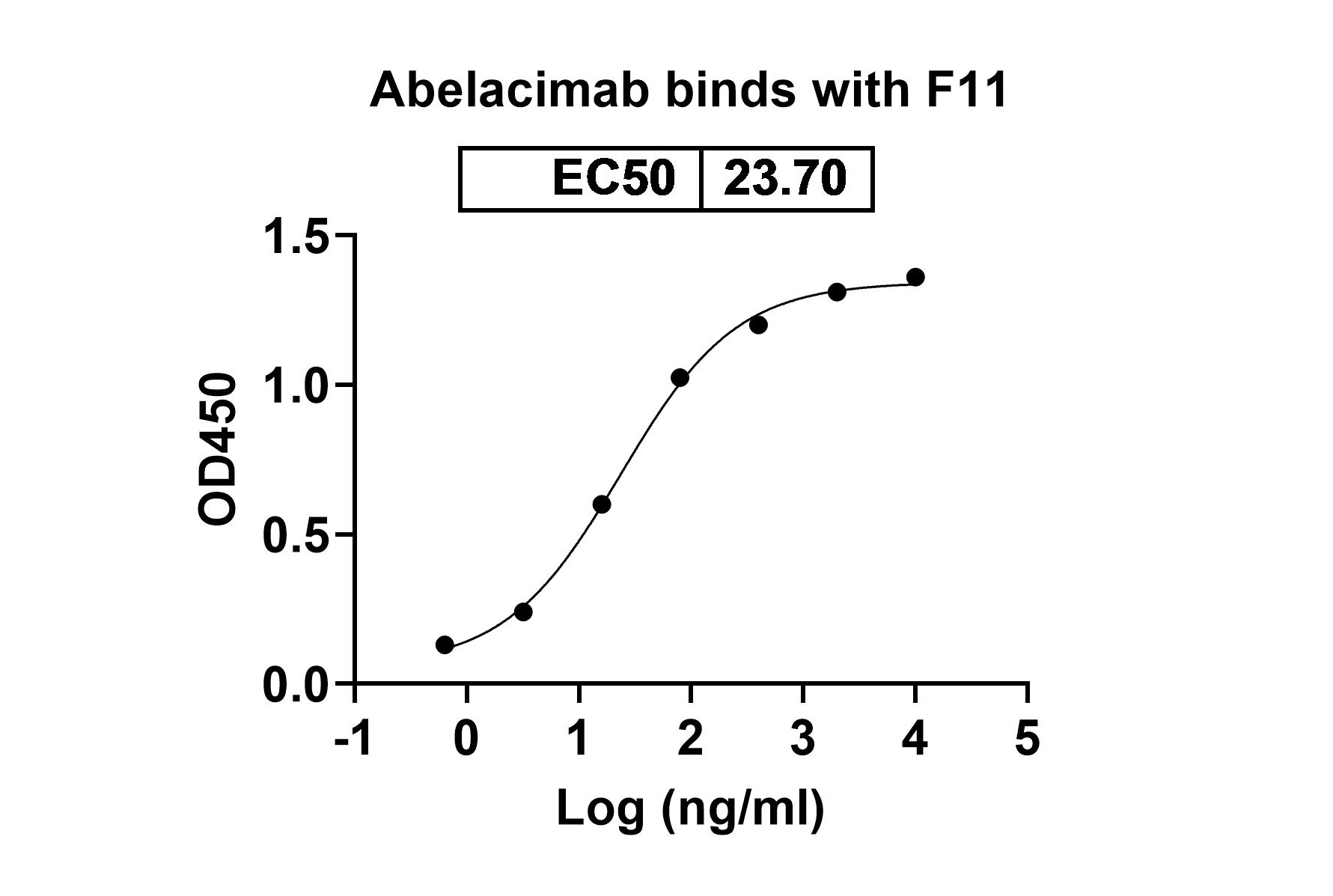
By binding to IL-21, Avizakimab Biosimilar inhibits its interaction with its receptor, thereby blocking the downstream signaling pathways. This results in the suppression of pro-inflammatory cytokine production and the modulation of immune responses. Additionally, Avizakimab Biosimilar has been shown to induce regulatory T cells, which further contributes to its immunomodulatory effects.
Potential Applications of Avizakimab Biosimilar
Avizakimab Biosimilar has shown promising results in preclinical and clinical studies for the treatment of various autoimmune diseases. It is currently being investigated for the treatment of rheumatoid arthritis, lupus, and psoriasis, among others. The potential applications of Avizakimab Biosimilar are discussed below:
1. Rheumatoid Arthritis (RA) RA is a chronic autoimmune disease that affects the joints, causing pain, stiffness, and inflammation. Avizakimab Biosimilar has shown efficacy in preclinical studies for the treatment of RA by reducing the production of pro-inflammatory cytokines and preventing joint destruction. In a phase III clinical trial, Avizakimab Biosimilar demonstrated comparable efficacy and safety to the original drug, Avizakimab, in patients with RA.
2. Lupus Systemic Lupus Erythematosus (SLE) is a systemic autoimmune disease that affects multiple organs, including the skin, joints, and kidneys. IL-21 has been implicated in the pathogenesis of SLE, making it a potential therapeutic target. Avizakimab Biosimilar has shown promising results in preclinical studies for the treatment of SLE by reducing autoantibody production and improving disease activity. Clinical trials are currently ongoing to evaluate the efficacy and safety of Avizakimab Biosimilar in patients with SLE.
3. Psoriasis Psoriasis is a chronic autoimmune skin disease characterized by red, scaly patches on the skin. IL-21 has been shown to play a role in the pathogenesis of psoriasis by promoting the proliferation of keratinocytes. Avizakimab Biosimilar has demonstrated efficacy in preclinical studies for the treatment of psoriasis by inhibiting the production of pro-inflammatory cytokines and reducing skin inflammation. Clinical trials are currently underway to evaluate the efficacy and safety of Avizakimab Biosimilar in patients with psoriasis.
Conclusion
Avizakimab Biosimilar, also known as Anti-IL21 mAb, is a promising therapeutic option for various autoimmune

There are no reviews yet.