The Structure and
Activity of Albiglutide ELISA Kit: A Therapeutic Target for Diabetes Research
Albiglutide is a long-acting glucagon-like peptide-1 (GLP-1) receptor agonist that is used as a therapeutic agent for type 2 diabetes. It is a fusion protein consisting of two GLP-1 molecules linked to a human albumin molecule, which increases its half-life in the body. The Albiglutide ELISA Kit is a powerful tool for detecting and quantifying albiglutide levels in various biological samples. In this article, we will discuss the structure, activity, and applications of the Albiglutide ELISA Kit in diabetes research.
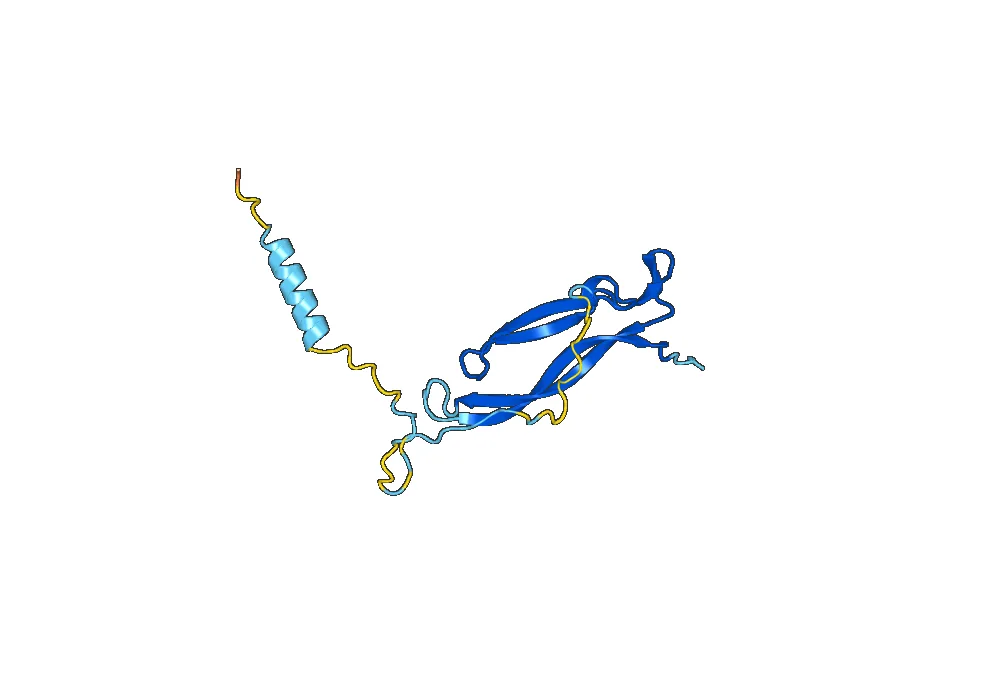
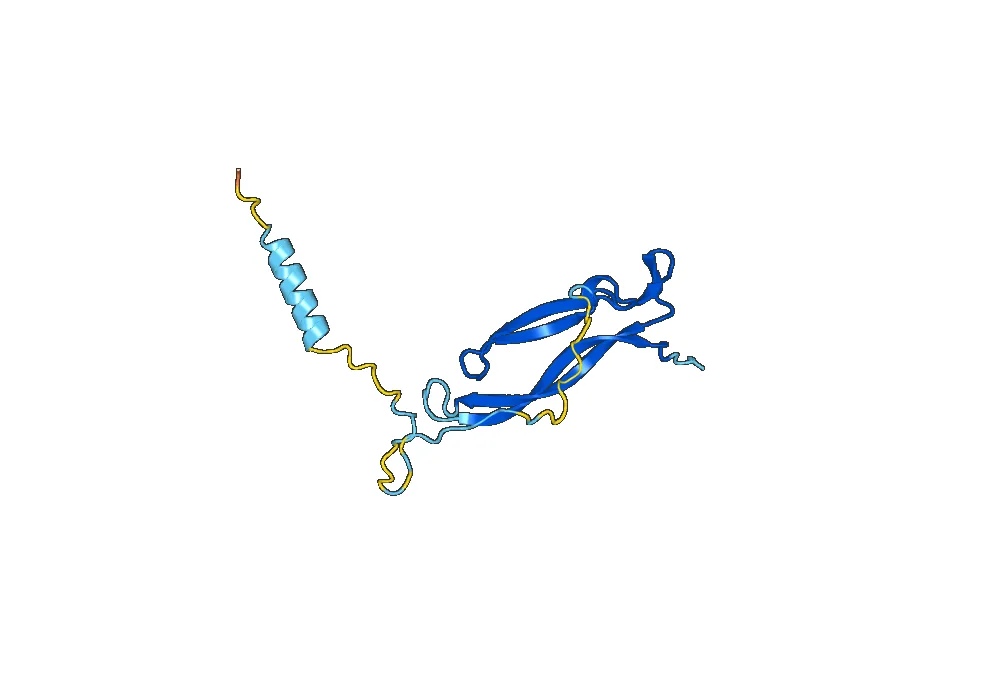
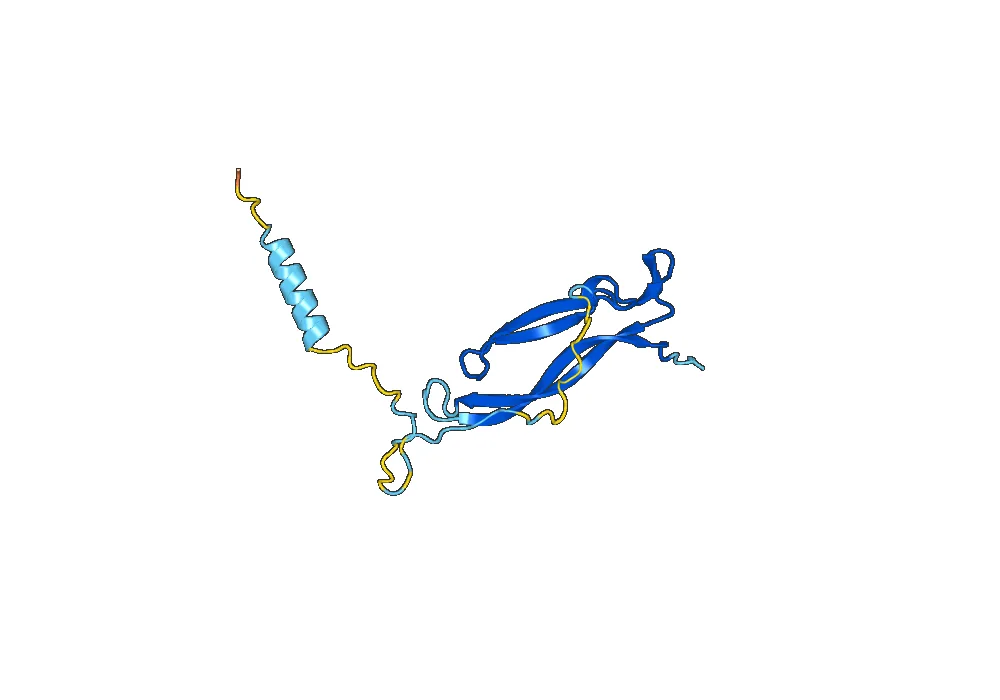
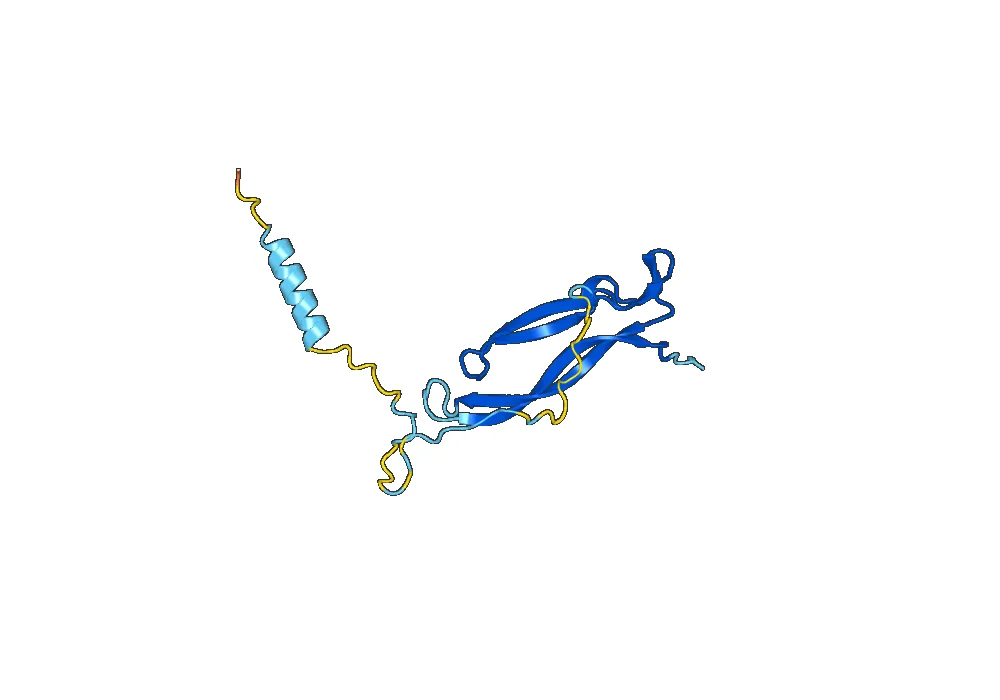
Structure of Albiglutide
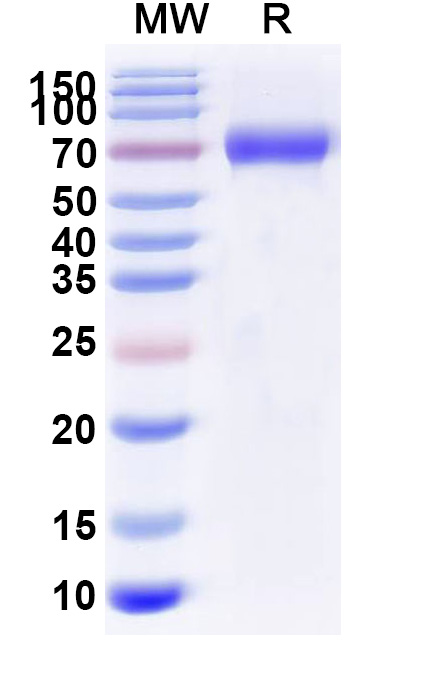
The Albiglutide molecule is a fusion protein with a total molecular weight of approximately 60 kDa. It consists of two GLP-1 molecules, each with a molecular weight of 3.4 kDa, fused to a 25 kDa human albumin molecule. The GLP-1 molecules are linked to the albumin molecule through a flexible linker, which allows for the optimal interaction with the GLP-1 receptor.
The GLP-1 portion of albiglutide is responsible for its biological activity. GLP-1 is an incretin hormone that stimulates insulin secretion and inhibits glucagon secretion, resulting in improved glucose control in patients with type 2 diabetes. By fusing two GLP-1 molecules to the albumin molecule, albiglutide has a longer half-life compared to native GLP-1, allowing for once-weekly dosing.
Activity of Albiglutide
Albiglutide has been shown to have potent glucose-lowering effects in patients with type 2 diabetes. It stimulates insulin secretion from pancreatic beta cells and inhibits glucagon secretion from alpha cells, resulting in improved glycemic control. In addition, albiglutide also slows gastric emptying, which helps to reduce postprandial glucose levels.
The activity of albiglutide is dependent on its binding to the GLP-1 receptor, which is expressed in various tissues including the pancreas, gut, and brain. Binding of albiglutide to the GLP-1 receptor activates intracellular signaling pathways that lead to the release of insulin and inhibition of glucagon, ultimately resulting in improved glucose control.
Application of Albiglutide ELISA Kit
The Albiglutide ELISA Kit is a valuable tool for researchers studying the pharmacokinetics and pharmacodynamics of albiglutide. It allows for the accurate measurement of albiglutide levels in various biological samples, such as serum, plasma, and urine. This information can be used to determine the optimal dosing regimen and monitor treatment response in patients with type 2 diabetes.
In addition, the Albiglutide ELISA Kit can also be used in preclinical studies to assess the bioavailability and tissue distribution of albiglutide. This information is crucial in the development of new formulations and delivery methods for albiglutide, which can potentially improve its efficacy and patient compliance.
The Albiglutide ELISA Kit is also a valuable tool in clinical trials evaluating the safety and efficacy of albiglutide. It can be used to measure albiglutide levels in patients and correlate them with clinical outcomes, such as changes in HbA1c levels. This information can help researchers better understand the pharmacokinetics and pharmacodynamics of albiglutide and its potential role in the treatment of type 2 diabetes.
Conclusion
The Albiglutide ELISA Kit is a powerful tool for researchers studying albiglutide as a therapeutic target for type 2 diabetes. Its accurate measurement of albiglutide levels in various biological samples allows for a better understanding of its pharmacokinetics and pharmacodynamics, which can ultimately lead to improved treatment options for patients with diabetes. With

There are no reviews yet.