Introduction to Albiglutide Biosimilar
Albiglutide Biosimilar is an anti-GLP-1 receptor fusion protein that has been developed as a potential therapeutic agent for the treatment of type 2 diabetes. This biosimilar is a research grade product that has been designed to mimic the structure and function of the naturally occurring hormone, glucagon-like peptide-1 (GLP-1). In this article, we will discuss the structure, activity, and potential applications of Albiglutide Biosimilar.
Structure of Albiglutide Biosimilar
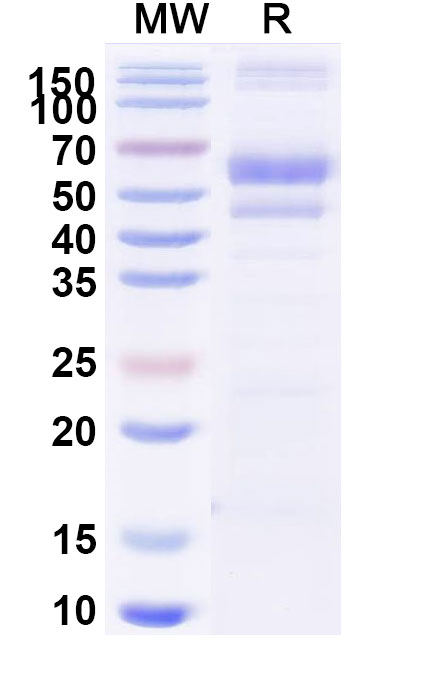
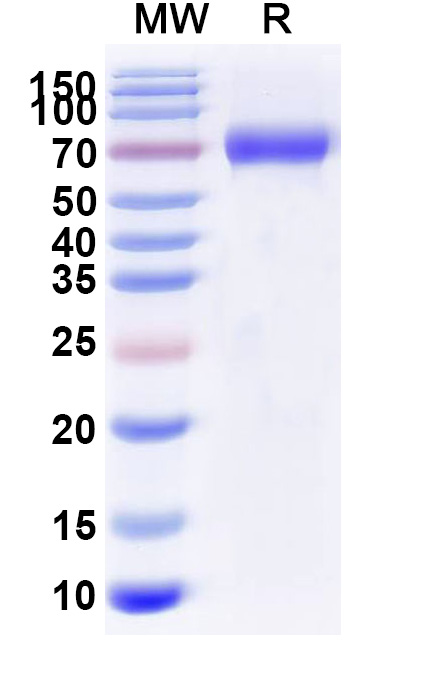
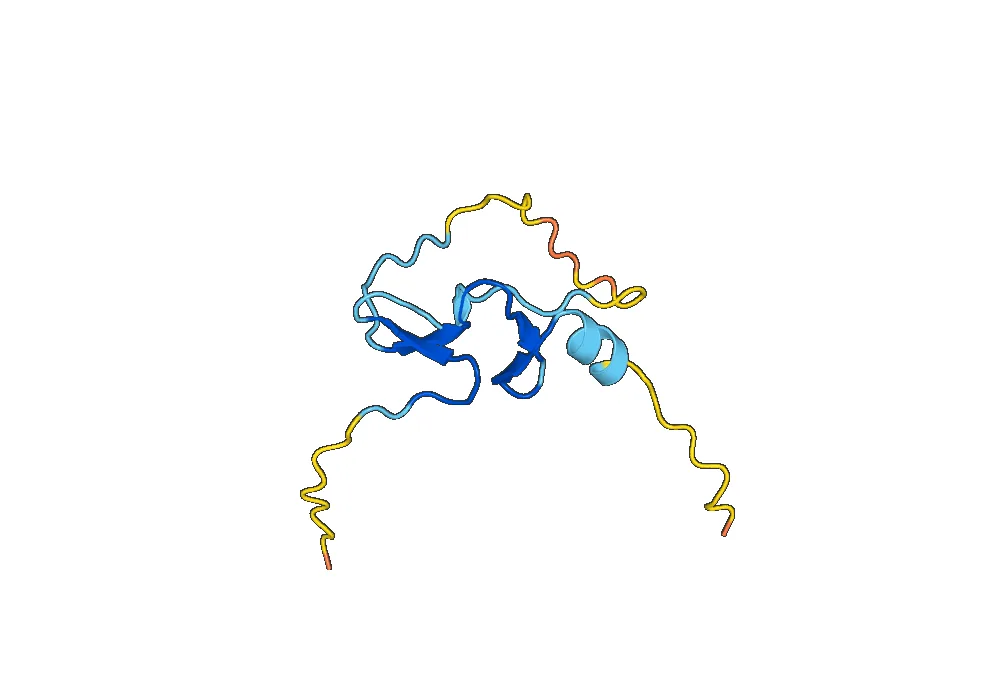
Albiglutide Biosimilar is a fusion protein composed of two components: a GLP-1 receptor agonist and an Fc fragment of human IgG1. The GLP-1 receptor agonist is a synthetic peptide that mimics the activity of the natural GLP-1 hormone. It binds to and activates the GLP-1 receptor, which is located on the surface of pancreatic beta cells. The Fc fragment, on the other hand, is responsible for extending the half-life of the fusion protein in the body by binding to the neonatal Fc receptor (FcRn).
The GLP-1 receptor agonist component of Albiglutide Biosimilar is a 30-amino acid peptide that is structurally similar to the active region of the human GLP-1 hormone. It has been modified to increase its stability and prolong its half-life in the body. The Fc fragment, on the other hand, is a 238-amino acid protein that is derived from human IgG1. It has been engineered to have a longer half-life than the GLP-1 receptor agonist, allowing for sustained activity of the fusion protein.
Activity of Albiglutide Biosimilar
Albiglutide Biosimilar acts as a GLP-1 receptor agonist, meaning that it binds to and activates the GLP-1 receptor. This triggers a series of events that result in the stimulation of insulin secretion from pancreatic beta cells, as well as the inhibition of glucagon secretion from alpha cells. This leads to a decrease in blood glucose levels and an increase in insulin sensitivity.
In addition to its effects on glucose metabolism, Albiglutide Biosimilar also has other beneficial actions. It has been shown to slow down gastric emptying, which can help to reduce postprandial hyperglycemia. It also promotes satiety, leading to a decrease in food intake and potential weight loss. These effects make Albiglutide Biosimilar a promising therapeutic option for the management of type 2 diabetes.
Applications of Albiglutide Biosimilar
Albiglutide Biosimilar is currently being investigated as a potential treatment for type 2 diabetes. It has shown promising results in clinical trials, demonstrating its efficacy in reducing HbA1c levels and promoting weight loss. It has also been shown to have a good safety profile, with minimal side effects reported.
In addition to its potential use in type 2 diabetes, Albiglutide Biosimilar may also have applications in other conditions. GLP-1 receptor agonists have been shown to have beneficial effects in cardiovascular disease, obesity, and non-alcoholic fatty liver disease. Therefore, Albiglutide Biosimilar may have a wider range of therapeutic applications in the future.
Conclusion
In summary, Albiglutide Biosimilar is a research grade anti-GLP-1 receptor fusion protein that has been designed to mimic the structure and function of the natural GLP-1 hormone. It acts as a GLP-1 receptor agonist, promoting insulin secretion and inhibiting glucagon secretion. It has potential applications in the treatment of type 2 diabetes and other conditions. Further research and clinical trials are needed to fully understand the potential of this biosimilar as a therapeutic agent.


There are no reviews yet.