Introduction to Acapatamab Biosimilar – A Novel Anti-FOLH1,CD3E mAb for Targeted
Cancer Therapy Introduction:
Acapatamab Biosimilar is a novel monoclonal antibody (mAb) developed as a biosimilar to the FDA-approved drug, Blenrep® (belantamab mafodotin). It is a bispecific antibody that targets both FOLH1 and CD3E, making it a promising therapeutic option for the treatment of various cancers. In this article, we will provide a comprehensive overview of Acapatamab Biosimilar, including its structure, activity, and potential applications in cancer therapy.
Structure of Acapatamab Biosimilar:
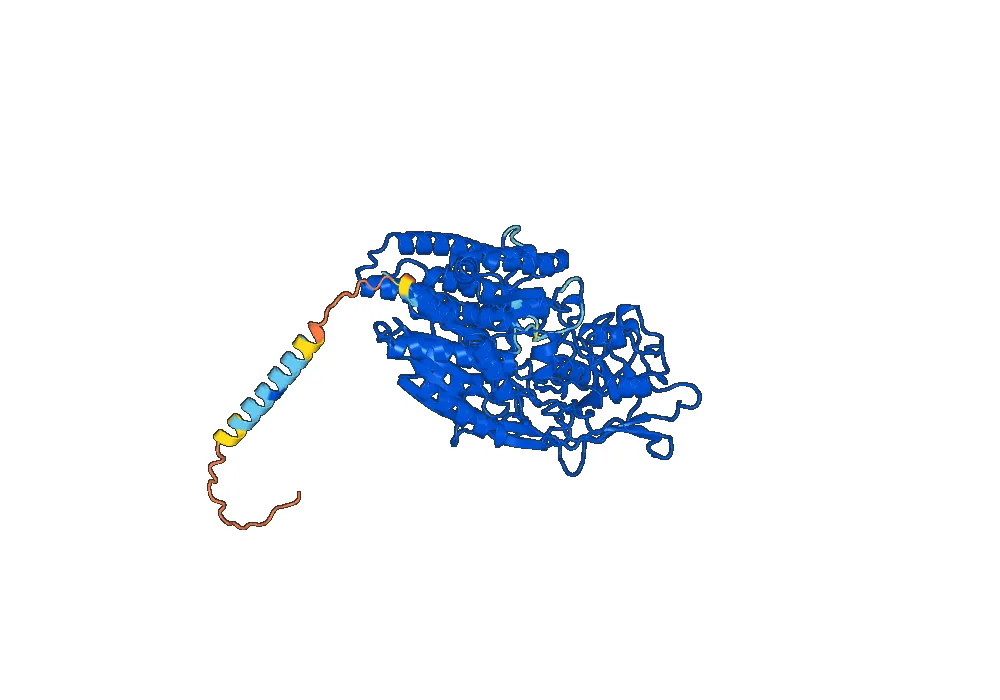
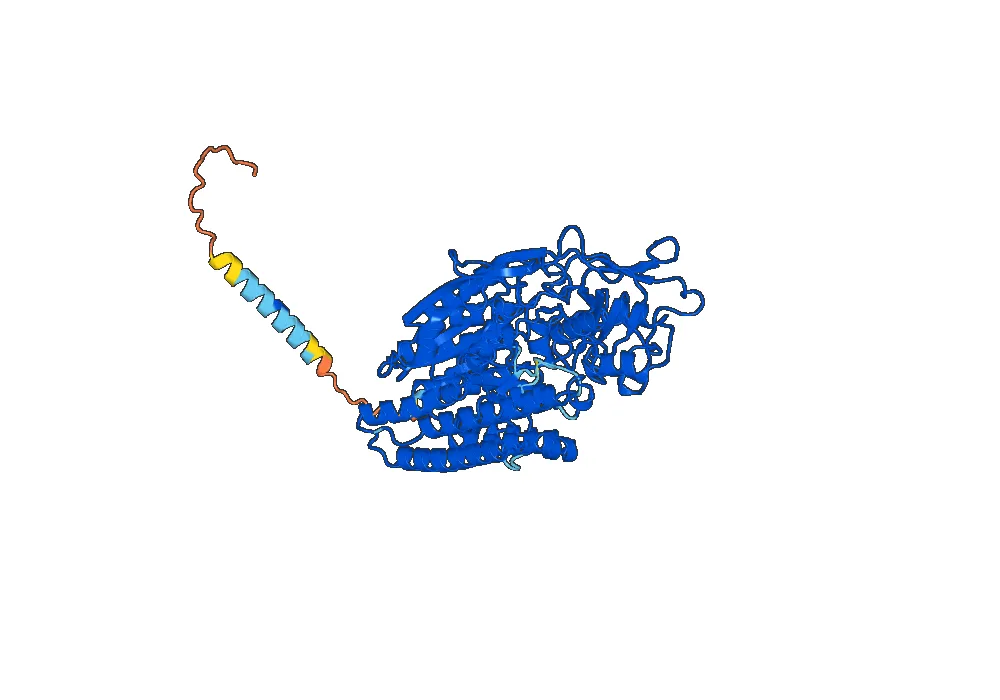
Acapatamab Biosimilar is a recombinant, humanized bispecific antibody composed of two single-chain variable fragments (scFvs) connected by a flexible linker. One scFv specifically binds to FOLH1, a folate hydrolase expressed on the surface of tumor cells, while the other scFv targets CD3E, a T cell receptor expressed on the surface of T cells. The two scFvs are connected by a flexible linker, allowing for optimal binding to both targets. The antibody also contains an Fc region, which is responsible for mediating effector functions, such as antibody-dependent cellular cytotoxicity (ADCC) and complement-dependent cytotoxicity (CDC).
Activity of Acapatamab Biosimilar:
Acapatamab Biosimilar has a dual mechanism of action. Firstly, it binds to FOLH1 on the surface of tumor cells, leading to internalization and degradation of the receptor. This results in the inhibition of tumor growth and survival. Secondly, the antibody binds to CD3E on the surface of T cells, activating them and inducing their proliferation and cytotoxicity towards the tumor cells. This dual targeting approach makes Acapatamab Biosimilar a potent and highly specific anti- cancer agent.
Application of Acapatamab Biosimilar in Cancer Therapy:
Acapatamab Biosimilar has shown promising results in preclinical studies, demonstrating its efficacy in various cancer types, including multiple myeloma, prostate cancer, and ovarian cancer. It has also been shown to be effective in combination with other cancer therapies, such as chemotherapy and immune checkpoint inhibitors. The bispecific nature of Acapatamab Biosimilar makes it a versatile therapeutic option for targeting both solid tumors and hematological malignancies.
Potential Advantages of Acapatamab Biosimilar:
Compared to other monoclonal antibodies, Acapatamab Biosimilar has several potential advantages. Its bispecific nature allows for simultaneous targeting of two different antigens, making it more effective in inhibiting tumor growth. Additionally, its small size and flexible linker allow for better tissue penetration and improved binding to tumor cells. This could potentially lead to reduced dosing and fewer side effects. Furthermore, as a biosimilar, Acapatamab Biosimilar has the potential to be more cost-effective than the original drug, making it more accessible to patients.
Conclusion:
In summary, Acapatamab Biosimilar is a novel bispecific antibody with a unique mechanism of action and potential applications in cancer therapy. Its structure, activity, and potential advantages make it a promising therapeutic option for the treatment of various cancers. Further clinical trials are needed to fully assess its safety and efficacy, but early results are promising. Acapatamab Biosimilar has the potential to become a valuable addition to the arsenal of anti- cancer therapies and improve outcomes for patients with different types of cancer.

There are no reviews yet.