Visugromab Biosimilar – Anti-GDF15 mAb – Research Grade: A Promising Antibody for Targeting GDF15 in Therapeutic Applications
Introduction
Visugromab Biosimilar, also known as Anti-GDF15 mAb, is a novel monoclonal antibody that has shown promising potential in targeting the growth differentiation factor 15 (GDF15) in various therapeutic applications. This biosimilar is a research grade antibody that is currently under development and has the potential to revolutionize the treatment of diseases associated with GDF15 dysregulation. In this article, we will delve deeper into the structure, mechanism of action, and potential applications of Visugromab Biosimilar.
Structure of Visugromab Biosimilar
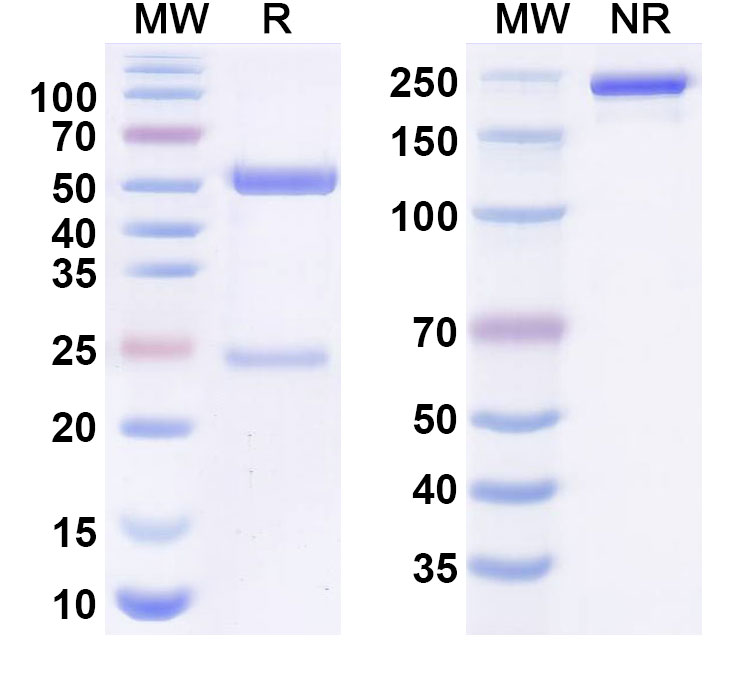
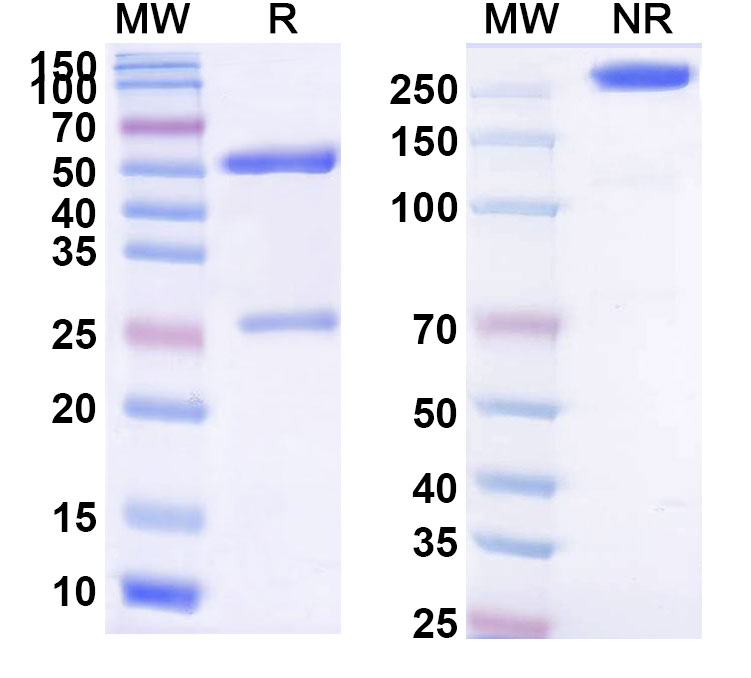
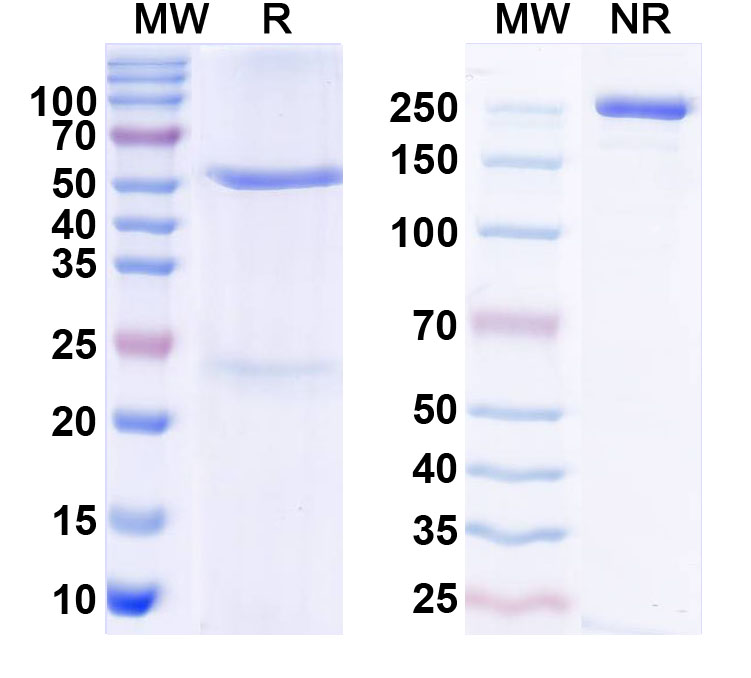
Visugromab Biosimilar is a monoclonal antibody that specifically targets GDF15, a member of the transforming growth factor beta (TGF-β) superfamily. It is a fully humanized IgG1 antibody with a molecular weight of approximately 150 kDa. The antibody is composed of two identical heavy chains and two identical light chains, each containing variable and constant domains. The variable domains of the antibody are responsible for binding to the target GDF15, while the constant domains provide stability and effector functions.
Mechanism of Action
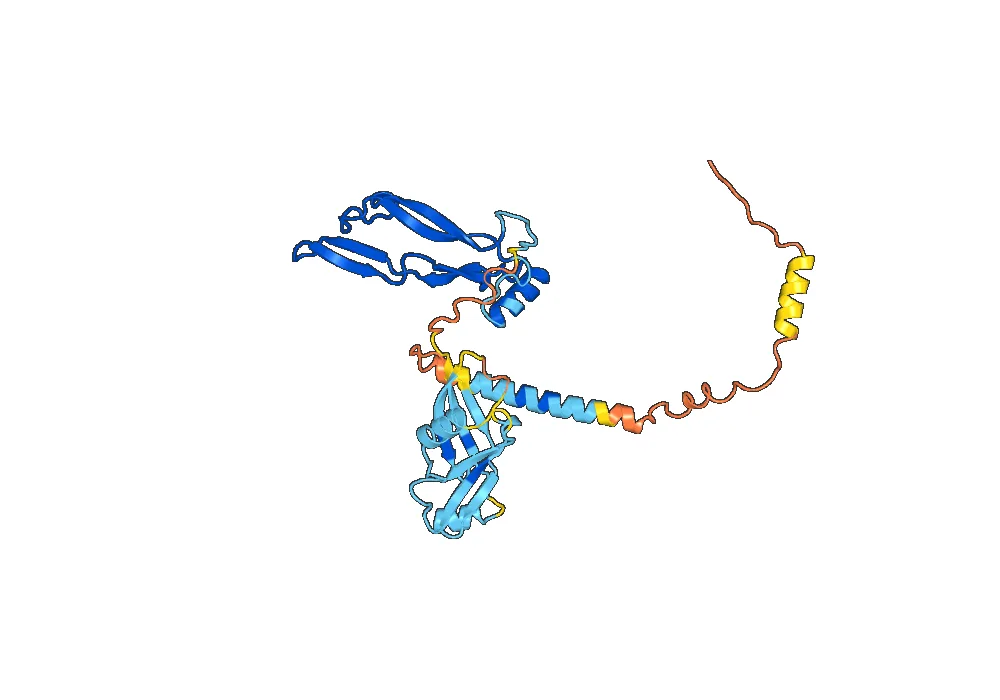
GDF15 is a cytokine that is involved in various physiological and pathological processes, including cancer, inflammation, and metabolic disorders. It has been shown to play a critical role in tumor progression, angiogenesis, and immune evasion. Visugromab Biosimilar binds to GDF15 with high specificity and affinity, thereby blocking its interaction with its receptors and inhibiting its downstream signaling pathways. This leads to the suppression of GDF15-mediated cellular processes, making it a promising therapeutic agent for various diseases.
Applications of Visugromab Biosimilar
Visugromab Biosimilar has shown potential in various pre-clinical studies and is currently being evaluated in clinical trials for the treatment of several diseases. Some of the potential applications of this biosimilar are discussed below:
1.
Cancer Therapy
GDF15 is overexpressed in various types of cancer, and its dysregulation has been linked to tumor growth, metastasis, and resistance to chemotherapy. Visugromab Biosimilar has shown promising results in inhibiting the growth and metastasis of cancer cells by blocking the pro-tumorigenic effects of GDF15. It has also been shown to sensitize cancer cells to chemotherapy, making it a potential adjuvant therapy for cancer treatment.
2. Inflammatory Diseases GDF15 has been implicated in the pathogenesis of several inflammatory diseases, such as rheumatoid arthritis, inflammatory bowel disease, and psoriasis. Visugromab Biosimilar has shown anti-inflammatory effects by inhibiting the production of pro-inflammatory cytokines and reducing the infiltration of immune cells into affected tissues. This makes it a potential therapeutic option for the treatment of inflammatory diseases.
3. Metabolic Disorders GDF15 has been shown to play a role in regulating energy balance, glucose metabolism, and body weight. Dysregulation of GDF15 has been linked to obesity, type 2 diabetes, and other metabolic disorders. Visugromab Biosimilar has the potential to modulate GDF15 signaling and improve metabolic parameters, making it a potential treatment option for these diseases.
4. Cardiovascular Diseases GDF15 has been identified as a biomarker for various cardiovascular diseases, including heart failure, atherosclerosis, and myocardial infarction. Visugromab Biosimilar has shown potential in reducing inflammation and oxidative stress in the cardiovascular system, thereby improving cardiac function and reducing the risk of cardiovascular events.
Conclusion
In conclusion, Visugromab Biosimilar is a promising antibody that specifically targets GDF15 and has shown potential in various therapeutic applications. Its unique mechanism of action and high specificity make it a promising candidate for the treatment of cancer, inflammatory diseases, metabolic disorders, and cardiovascular diseases. Further research and clinical trials are needed to fully explore the potential of this biosimilar and bring it to the market for the benefit of patients.
There are no reviews yet.