Mirikizumab Biosimilar – Anti-IL23A mAb – Research Grade
Mirikizumab Biosimilar – Anti-IL23A mAb – Research Grade: A Promising Antibody for Targeting IL-23A
Introduction
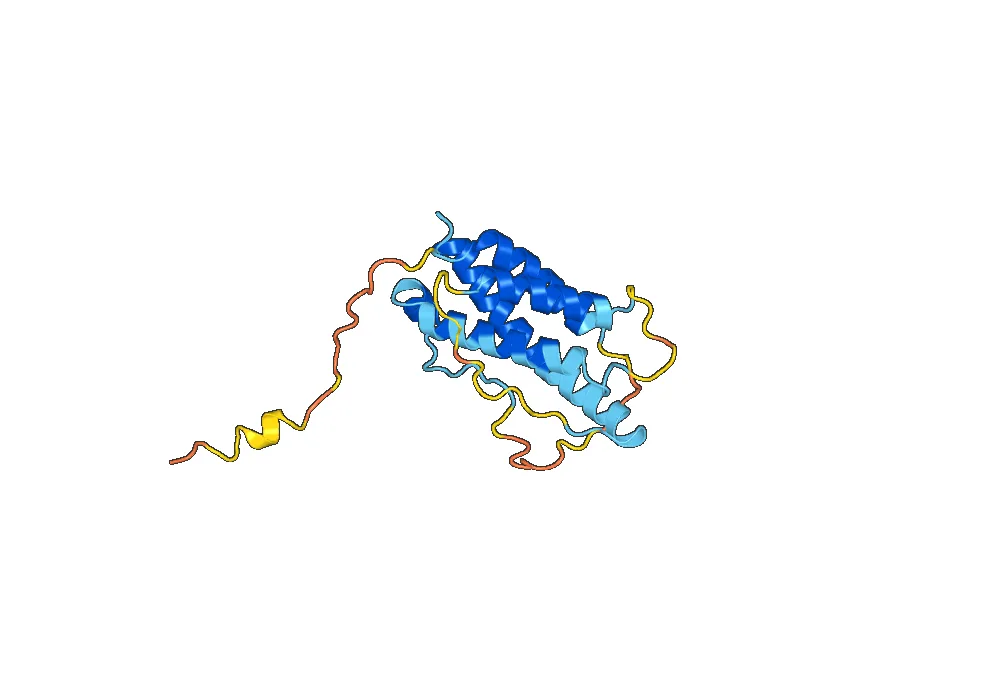
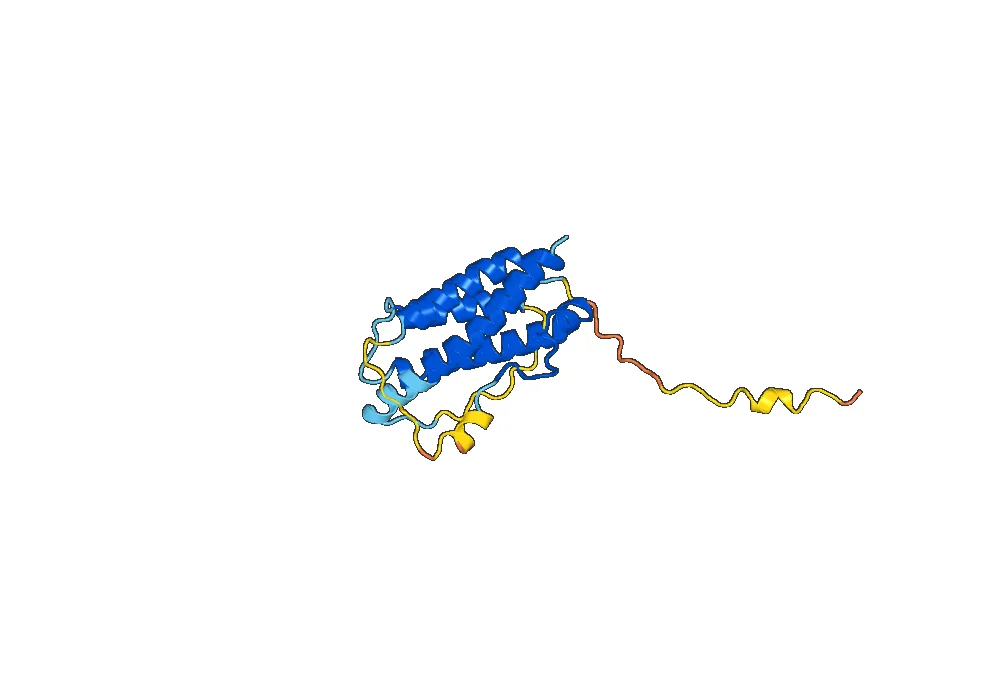
Mirikizumab Biosimilar – Anti-IL23A mAb – Research Grade is a novel antibody that has been developed as a biosimilar of the well-known monoclonal antibody, mirikizumab. This biosimilar is specifically designed to target and inhibit the activity of interleukin-23A (IL-23A), a cytokine that plays a crucial role in the pathogenesis of various inflammatory and autoimmune diseases. In this article, we will provide a comprehensive scientific description of the structure, activity, and potential applications of Mirikizumab Biosimilar – Anti-IL23A mAb – Research Grade.
Structure of Mirikizumab Biosimilar – Anti-IL23A mAb – Research Grade
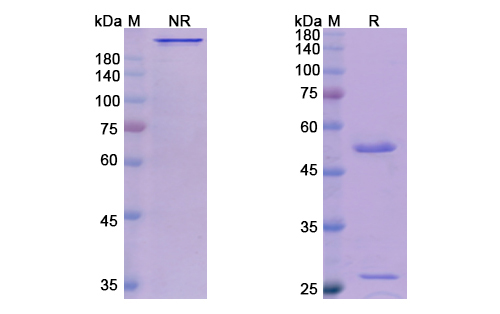
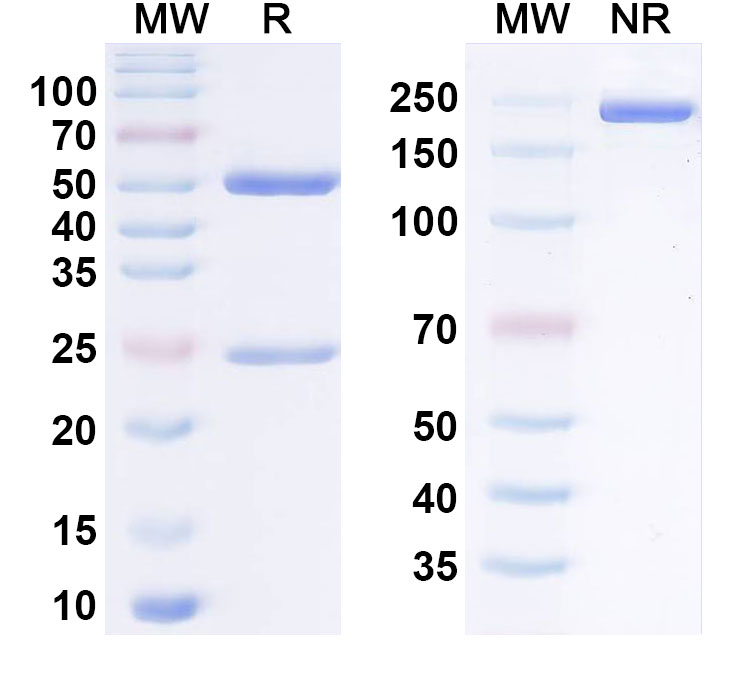
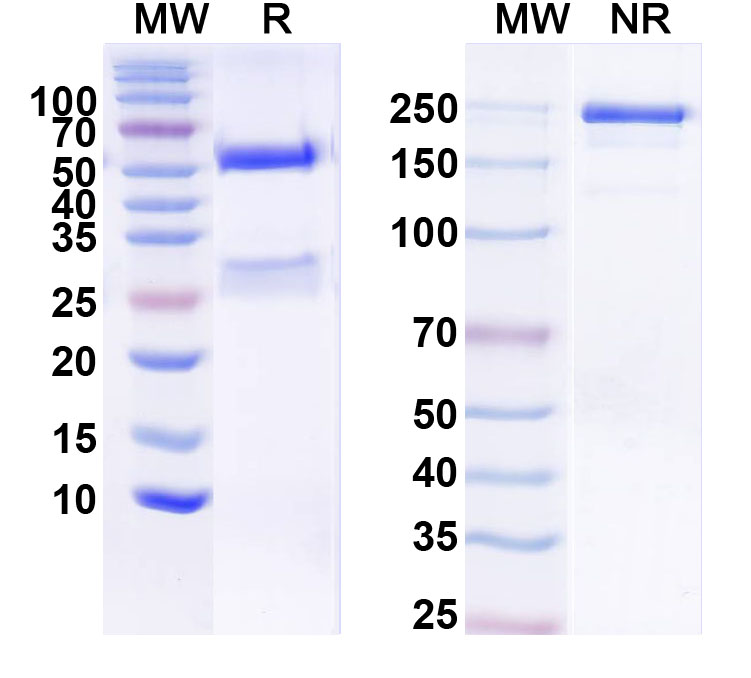
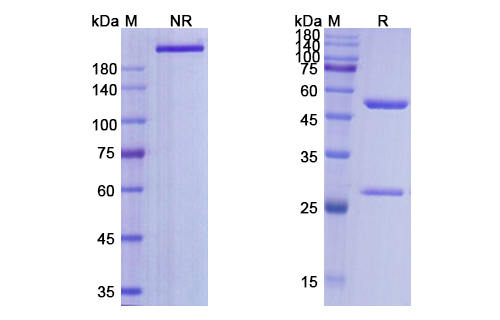
Mirikizumab Biosimilar – Anti-IL23A mAb – Research Grade is a monoclonal antibody that is produced by recombinant DNA technology. It is a fully humanized antibody, meaning that it is derived from human cells and has a structure that closely resembles natural human antibodies. The antibody consists of two identical heavy chains and two identical light chains, each containing variable and constant regions. The variable regions are responsible for binding to the target molecule, IL-23A, while the constant regions determine the effector functions of the antibody.
Mechanism of Action
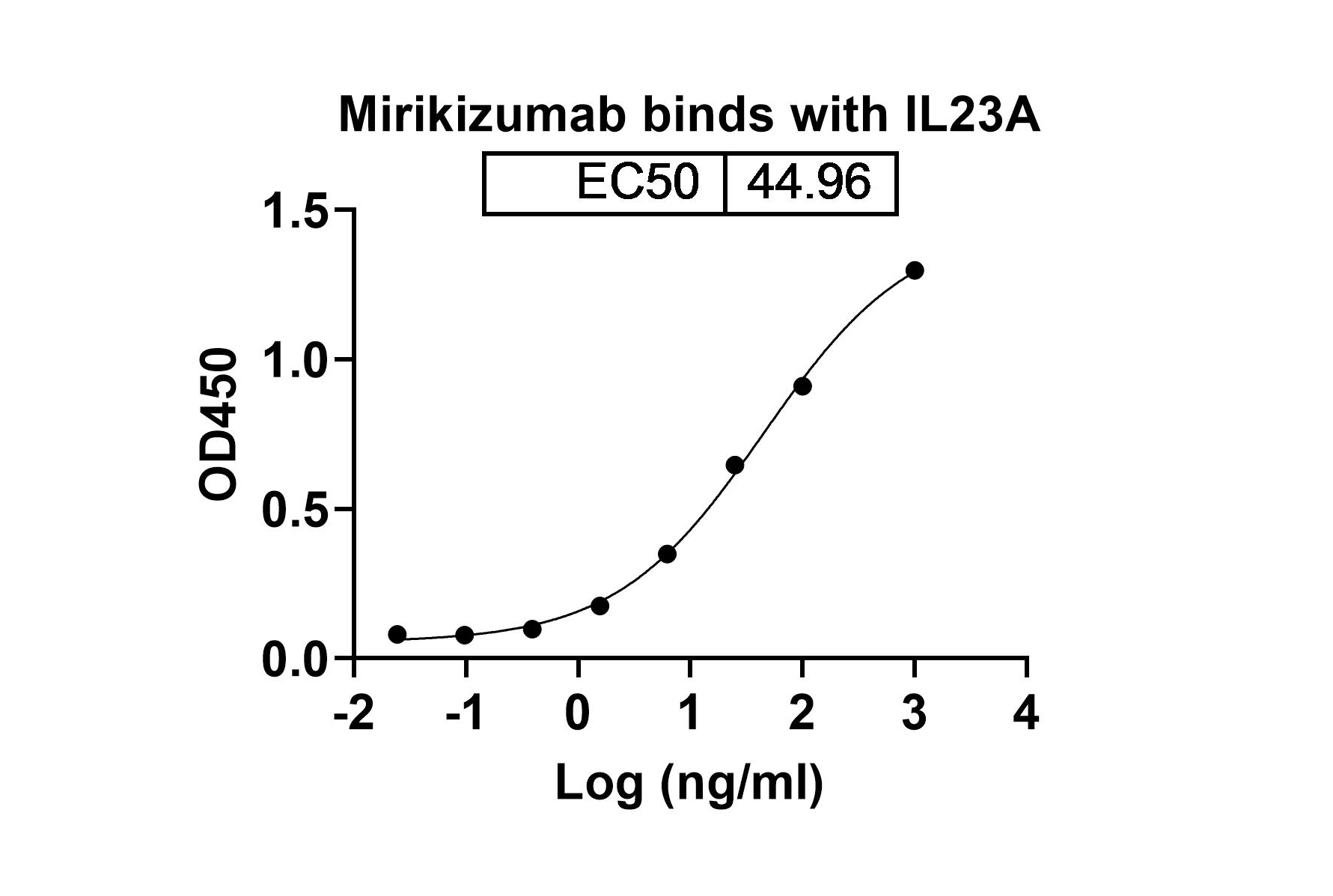
Mirikizumab Biosimilar – Anti-IL23A mAb – Research Grade works by binding to IL-23A and preventing it from interacting with its receptor, IL-23R. This inhibits the downstream signaling pathways that lead to the production of pro-inflammatory cytokines, such as IL-17 and IL-22. By blocking IL-23A, the antibody effectively reduces the inflammation and tissue damage associated with various diseases, including psoriasis, psoriatic arthritis, and Crohn’s disease.
Potential Applications
As a biosimilar of mirikizumab, Mirikizumab Biosimilar – Anti-IL23A mAb – Research Grade has the potential to be used in the treatment of various inflammatory and autoimmune diseases. It has shown promising results in clinical trials for psoriasis, psoriatic arthritis, and Crohn’s disease, and is currently being evaluated for other conditions, such as ulcerative colitis and ankylosing spondylitis. In addition, the biosimilar form of mirikizumab offers a more affordable treatment option for patients, making it accessible to a larger population.
Advantages of Mirikizumab Biosimilar – Anti-IL23A mAb – Research Grade
Compared to other anti-IL23A therapies, Mirikizumab Biosimilar – Anti-IL23A mAb – Research Grade has several advantages. Firstly, being a biosimilar, it has a similar safety and efficacy profile as the original mirikizumab, making it a reliable treatment option. Secondly, its fully humanized structure reduces the risk of immunogenicity, which is a common issue with other monoclonal antibodies. Lastly, the biosimilar form of mirikizumab is more cost-effective, making it a more accessible option for patients.
Conclusion
Mirikizumab Biosimilar – Anti-IL23A mAb – Research Grade is a promising antibody that has the potential to revolutionize the treatment of inflammatory and autoimmune diseases. Its unique structure, mechanism of

There are no reviews yet.