Introduction
Iscalimab Biosimilar, also known as Anti-CD40, TNFRSF5 mAb, is a research grade monoclonal antibody that targets the CD40 protein, a member of the tumor necrosis factor receptor superfamily. This antibody has shown promising potential as a therapeutic agent in various diseases, making it a subject of extensive research and development.
Structure of Iscalimab Biosimilar
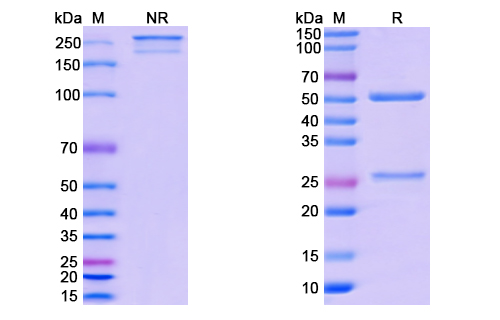
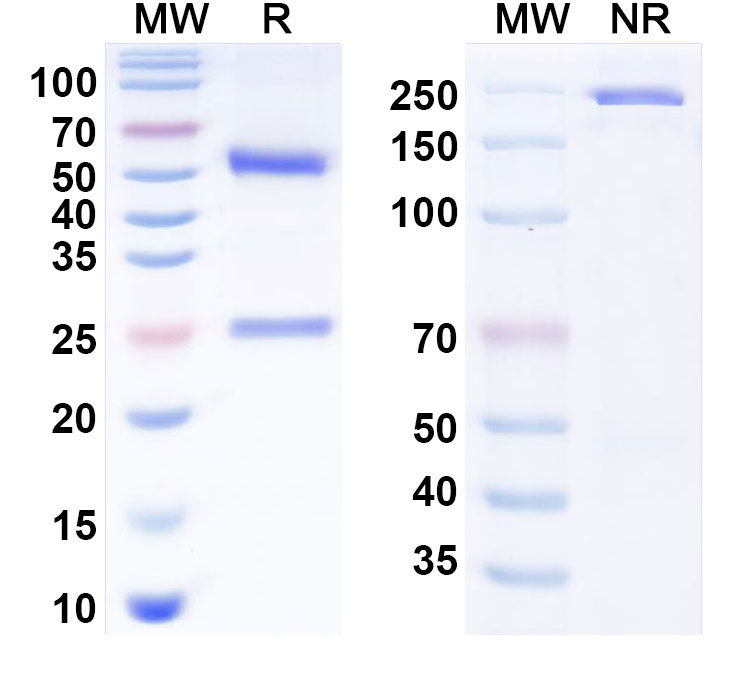
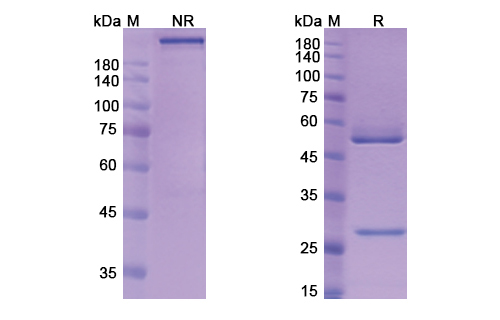
Iscalimab Biosimilar is a fully humanized monoclonal antibody, meaning it is derived from human cells and has a high affinity and specificity for its target. It is composed of two heavy chains and two light chains, connected by disulfide bonds. The antibody has a molecular weight of approximately 150 kDa and a half-life of 21 days.
Mechanism of Action
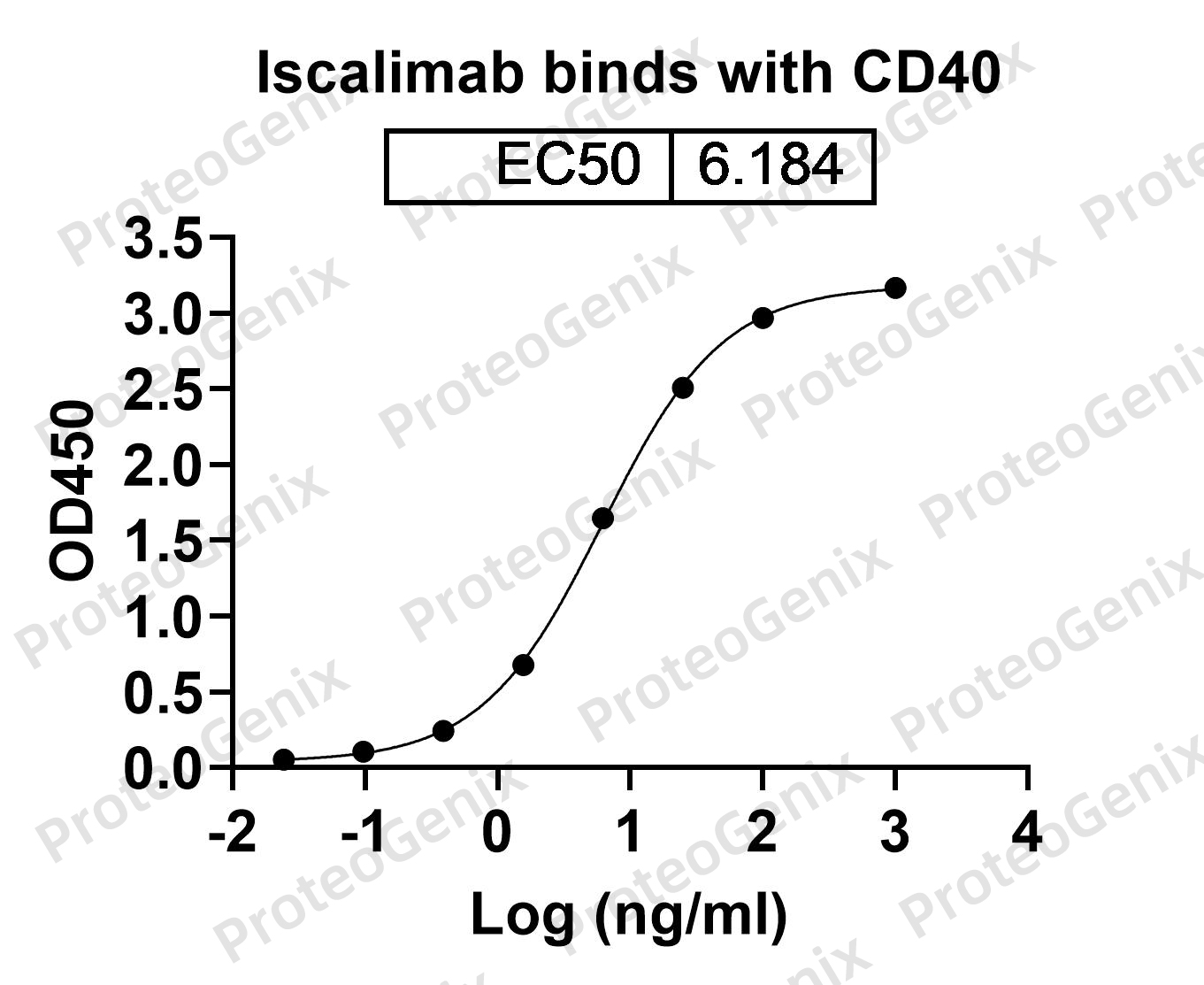
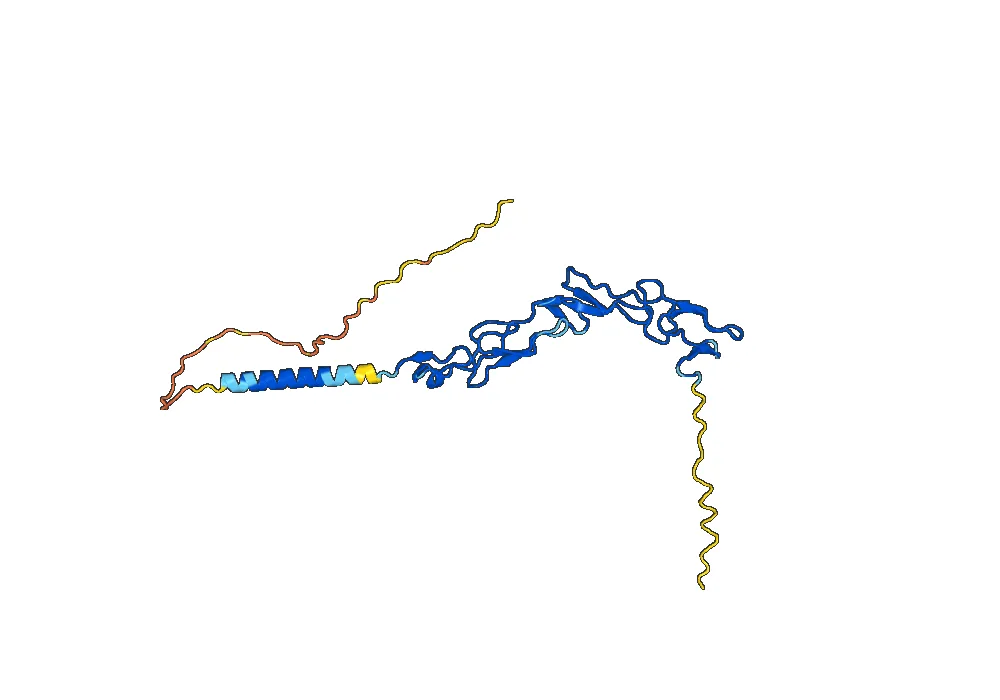
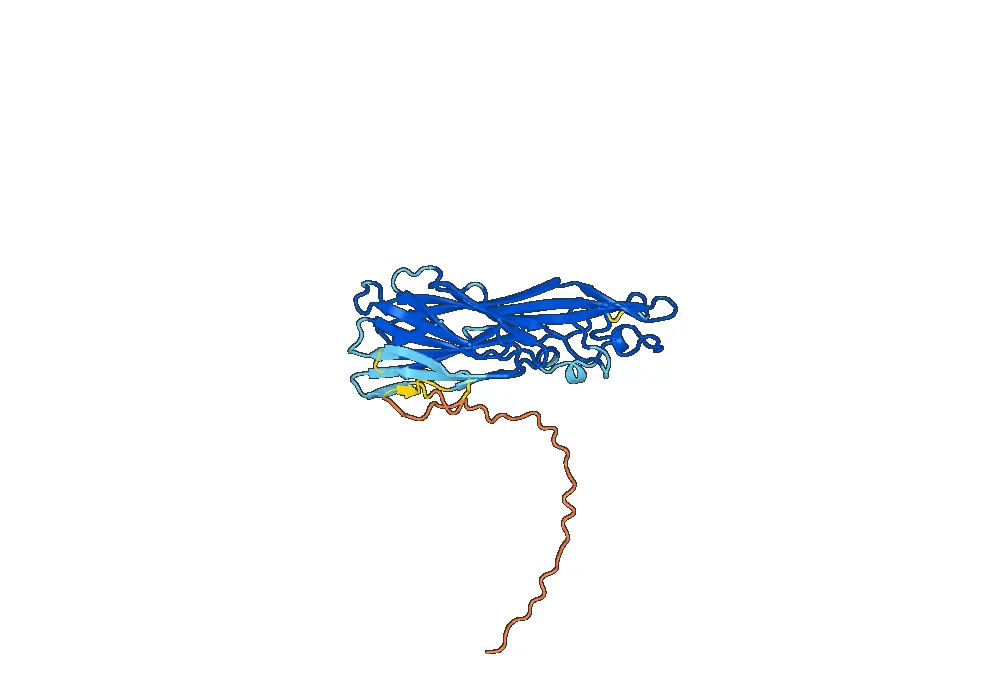
CD40 is a cell surface protein found on various immune cells, including B cells, dendritic cells, and macrophages. It plays a crucial role in the activation and differentiation of these immune cells, making it an attractive therapeutic target for various diseases. Iscalimab Biosimilar binds to CD40 and blocks its interaction with its ligand, CD154. This prevents the activation of downstream signaling pathways, leading to inhibition of immune cell activation and proliferation.
Applications in Disease Treatment
Iscalimab Biosimilar has shown promising results in preclinical and clinical studies as a potential treatment for various diseases. Here are some of its potential applications:
1. Autoimmune Diseases: CD40 plays a crucial role in the development of autoimmune diseases, such as rheumatoid arthritis, multiple sclerosis, and systemic lupus erythematosus. Iscalimab Biosimilar has shown promising results in preclinical studies as a potential treatment for these diseases by inhibiting the activation of autoreactive immune cells.
2.
Transplant Rejection: CD40-CD154 interaction is known to play a critical role in acute and chronic rejection of transplanted organs. Iscalimab Biosimilar has shown potential in preventing transplant rejection by blocking this interaction and reducing the activation of immune cells.
3.
Cancer: CD40 is also expressed on the surface of tumor cells and has been linked to tumor growth and survival. Iscalimab Biosimilar has shown promising results in preclinical studies as a potential treatment for various cancers, including lymphoma, leukemia, and solid tumors, by inhibiting the activation of immune cells and promoting tumor cell death.
4.
Infectious Diseases: CD40 is involved in the immune response against various infectious agents, including viruses and bacteria. Iscalimab Biosimilar has shown potential in enhancing the immune response against these pathogens by blocking CD40 and promoting the activation of immune cells.
Conclusion
Iscalimab Biosimilar is a research grade monoclonal antibody that targets the CD40 protein and has shown promising results as a potential treatment for various diseases. Its unique mechanism of action and potential applications make it a subject of extensive research and development. Further studies and clinical trials are needed to fully understand the therapeutic potential of Iscalimab Biosimilar and its role in the treatment of various diseases.

There are no reviews yet.