Sutimlimab Biosimilar: A Promising Antibody Targeting C1S for Therapeutic Applications
Sutimlimab Biosimilar, also known as Anti-C1S mAb, is a monoclonal antibody that specifically targets C1S, a key component of the complement system. This biosimilar is being developed as a potential therapeutic agent for various diseases and disorders associated with dysregulation of the complement system. In this article, we will explore the structure, activity, and potential applications of Sutimlimab Biosimilar in the field of medicine.
Structure of Sutimlimab Biosimilar
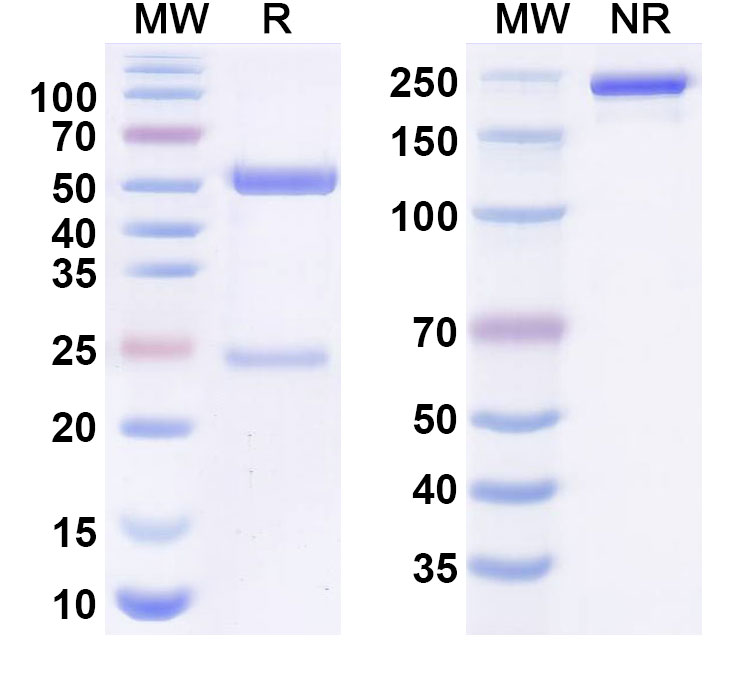
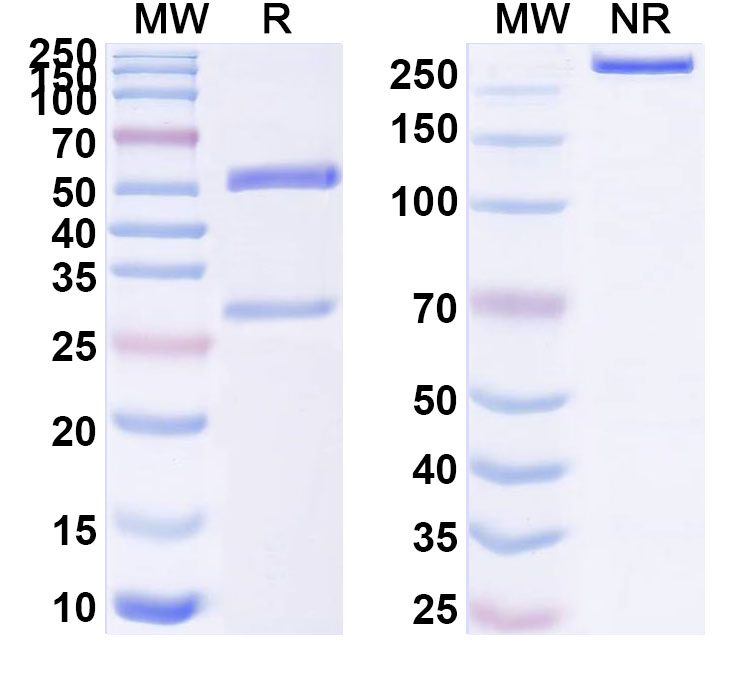
Sutimlimab Biosimilar is a recombinant humanized monoclonal antibody, which means it is produced by genetically engineering human genes into a non-human host, typically a mouse. This process results in an antibody that is highly specific to its target, in this case, C1S. The antibody is composed of two heavy chains and two light chains, which are connected by disulfide bonds. The variable regions of the antibody, responsible for binding to C1S, are located at the tips of the heavy and light chains.
The structure of Sutimlimab Biosimilar is similar to that of the natural human antibody, making it less likely to elicit an immune response when administered in humans. This is a crucial factor in the development of any therapeutic antibody, as an immune reaction can render the treatment ineffective or even cause harm to the patient.
Activity of Sutimlimab Biosimilar
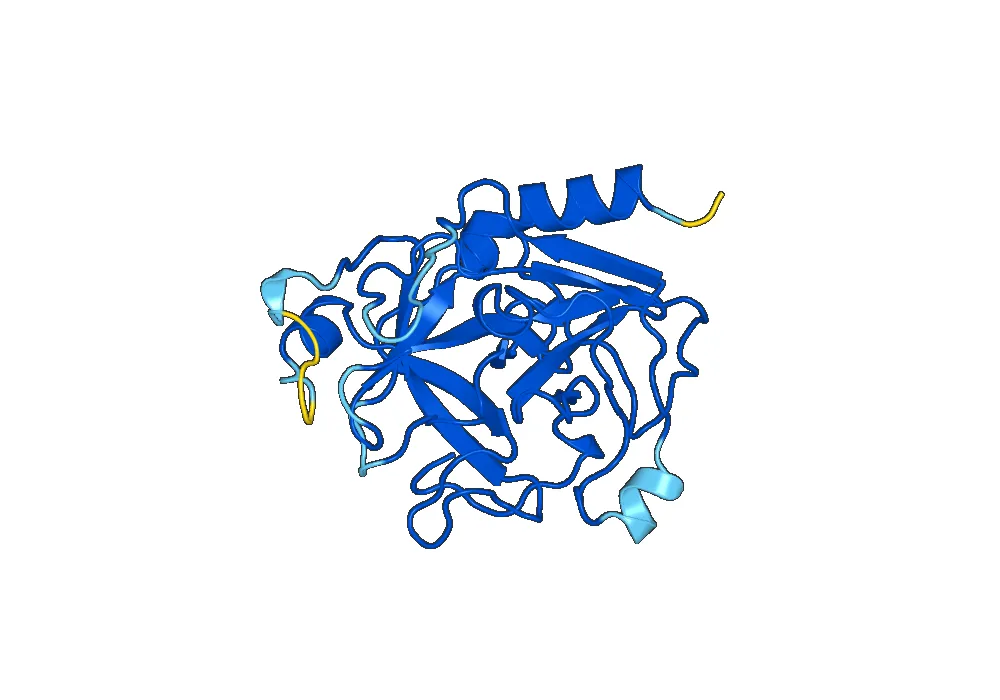
Sutimlimab Biosimilar exerts its activity by binding to C1S and inhibiting its function in the complement system. C1S is a serine protease that plays a crucial role in the initiation of the classical pathway of the complement system. This pathway is activated in response to foreign invaders, such as bacteria or viruses, and helps in their elimination. However, dysregulation of the complement system can lead to tissue damage and inflammation, resulting in various diseases and disorders.
By targeting C1S, Sutimlimab Biosimilar prevents the activation of the classical pathway, thereby reducing the excessive inflammation and tissue damage associated with complement-mediated diseases. This makes it a promising therapeutic agent for conditions such as paroxysmal nocturnal hemoglobinuria (PNH), atypical hemolytic uremic syndrome (aHUS), and myasthenia gravis (MG), which are all characterized by dysregulation of the complement system.
Potential Applications of Sutimlimab Biosimilar
Sutimlimab Biosimilar is currently being evaluated in clinical trials for its efficacy and safety in various diseases. In a phase 3 clinical trial for PNH, Sutimlimab Biosimilar demonstrated a significant reduction in hemolysis (destruction of red blood cells) and improved quality of life in patients. Similarly, in a phase 2 clinical trial for aHUS, the biosimilar showed promising results in reducing thrombotic microangiopathy (a type of blood clot) and improving kidney function.
In addition to these conditions, Sutimlimab Biosimilar is also being studied for its potential in treating other complement-mediated diseases, such as neuromyelitis optica spectrum disorder (NMOSD), bullous pemphigoid, and cold agglutinin disease. The results from these ongoing clinical trials will provide valuable insights into the efficacy and safety of Sutimlimab Biosimilar in different disease settings.
Conclusion
Sutimlimab Biosimilar, a monoclonal antibody targeting C1S, holds great promise as a therapeutic agent for various complement-mediated diseases. Its specific structure, activity, and potential applications make it a valuable addition to the arsenal of treatments available for these conditions. As further research and clinical trials continue to unfold, Sutimlimab Biosimilar has the potential to improve the lives of patients suffering from complement-mediated
There are no reviews yet.