Title: Understanding Venanprubart Biosimilar – Anti-B- and T-lymphocyte attenuator mAb Introduction
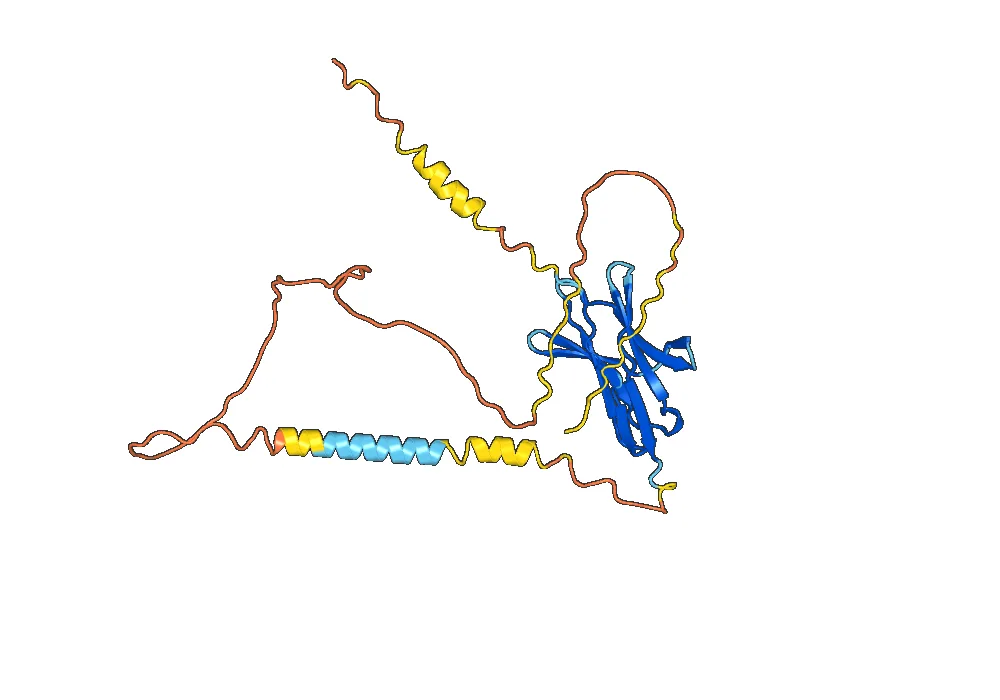
Venanprubart Biosimilar is a monoclonal antibody (mAb) that targets the B- and T-lymphocyte attenuator (BTLA) protein. BTLA is a coinhibitory receptor expressed on immune cells, and its activation can suppress immune responses. This biosimilar is a promising therapeutic agent for various immune disorders and has potential applications in research.
Structure of Venanprubart Biosimilar
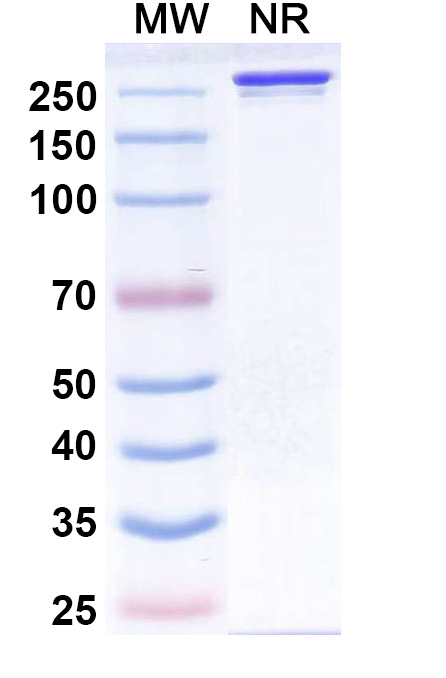
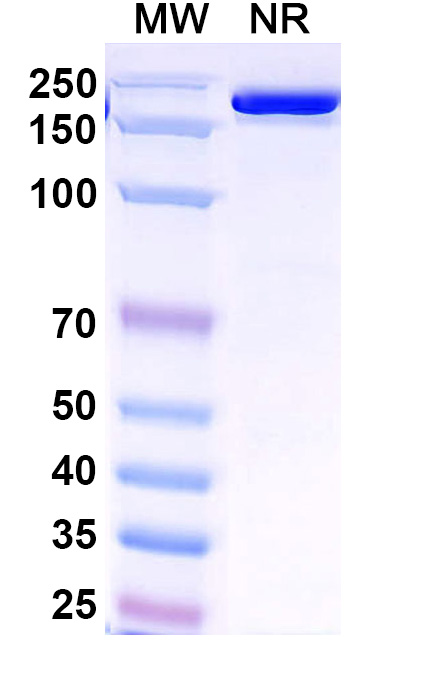
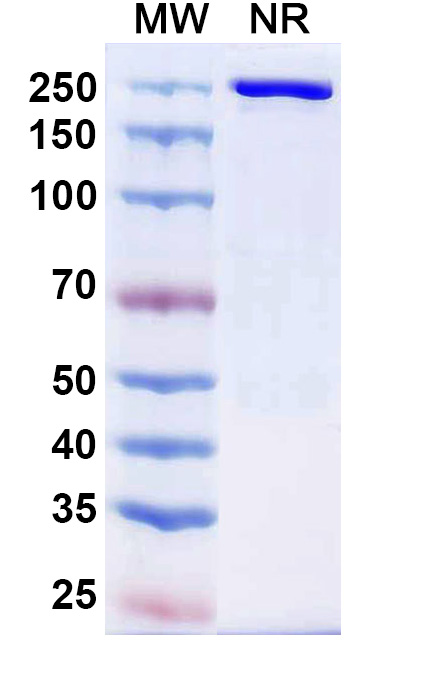
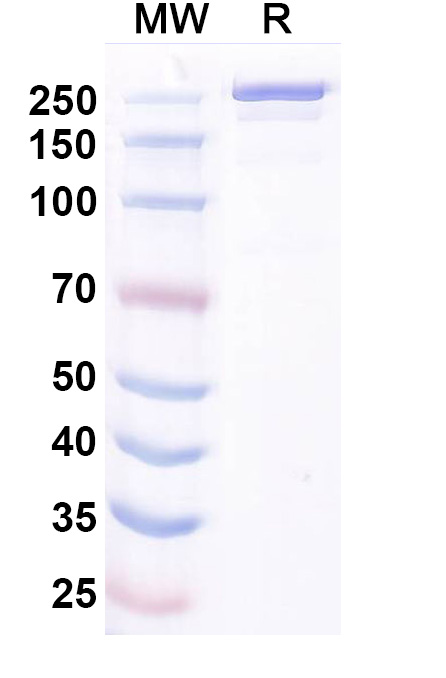
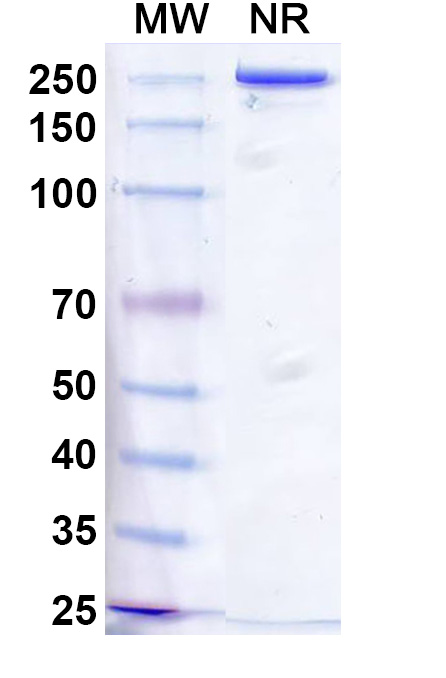
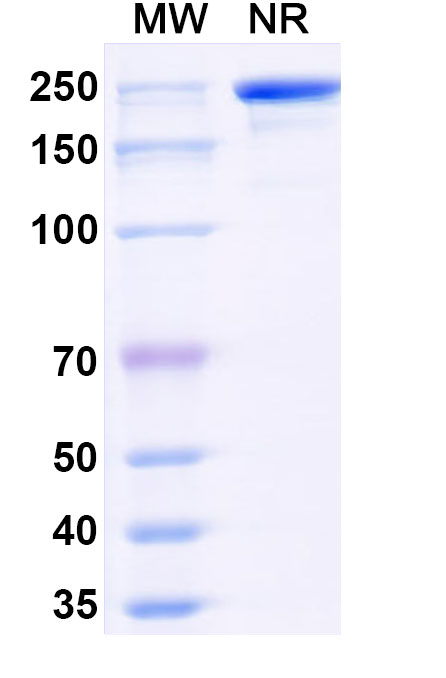
Venanprubart Biosimilar is a recombinant humanized mAb, meaning it is produced in the laboratory using genetic engineering techniques. It is composed of two identical heavy chains and two identical light chains, each containing variable and constant regions. The variable regions are responsible for binding to BTLA, while the constant regions determine the antibody’s effector functions.
Activity of Venanprubart Biosimilar
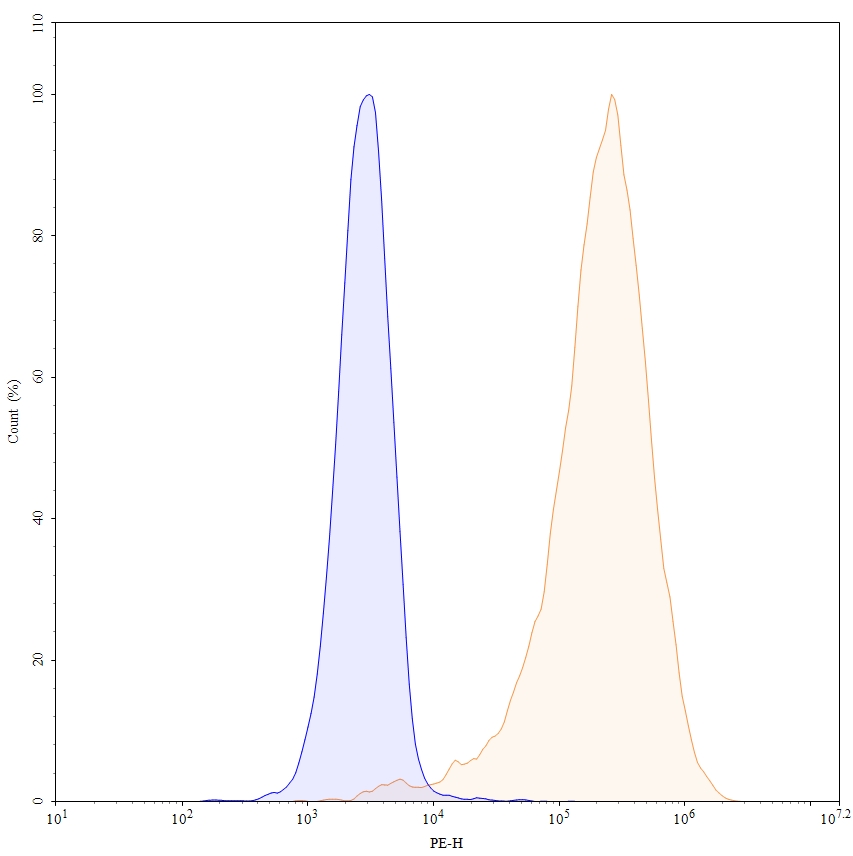
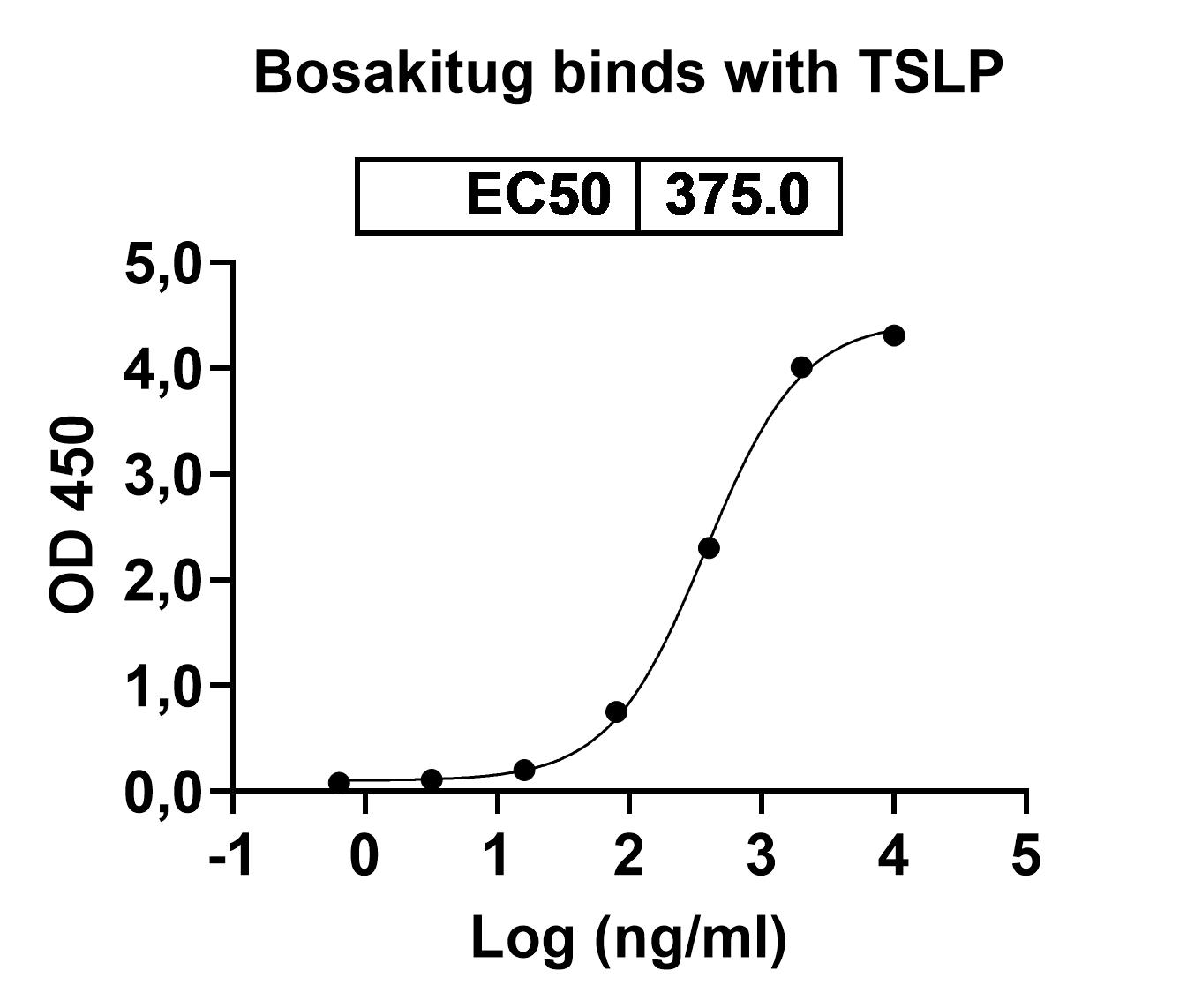
Venanprubart Biosimilar binds to BTLA with high specificity and affinity, leading to its activation. This results in the suppression of immune responses, as BTLA is known to inhibit T cell activation and proliferation. This mechanism of action makes Venanprubart Biosimilar a potent immunosuppressant and a potential therapeutic target for autoimmune diseases, organ transplantation, and cancer.
Applications of Venanprubart Biosimilar
1. Treatment of Autoimmune Diseases Autoimmune diseases occur when the immune system mistakenly attacks healthy cells and tissues. Venanprubart Biosimilar can be used to treat various autoimmune diseases, such as rheumatoid arthritis, multiple sclerosis, and psoriasis. By targeting BTLA, it can suppress the overactive immune responses that cause these diseases.
2. Organ Transplantation Organ transplantation is a common treatment for end-stage organ failure. However, the success of transplantation is often hindered by the body’s immune response to the transplanted organ. Venanprubart Biosimilar can be used as an immunosuppressant to prevent organ rejection by inhibiting T cell activation and proliferation.
3.
Cancer Immunotherapy
Cancer cells can evade the immune system by expressing checkpoint proteins, such as BTLA, which inhibit immune responses. Venanprubart Biosimilar can block BTLA and restore the immune system’s ability to recognize and attack cancer cells. It can also enhance the effectiveness of other cancer treatments, such as chemotherapy and radiation therapy.
4. Research Tool Venanprubart Biosimilar can also be used as a research tool to study the role of BTLA in immune responses and its potential as a therapeutic target. It can be used in in vitro and in vivo experiments to investigate the effects of BTLA inhibition on different immune cells and disease models.
Conclusion
Venanprubart Biosimilar is a promising therapeutic agent that targets BTLA, a coinhibitory receptor involved in immune regulation. Its structure, activity, and applications make it a valuable tool for treating various immune disorders and studying the role of BTLA in immune responses. Further research and clinical trials are needed to fully understand the potential of this biosimilar in the treatment of diseases.


There are no reviews yet.