Introduction
Tarlatamab Biosimilar, also known as Anti-DLL3,CD3E mAb, is a monoclonal antibody that has been developed as a biosimilar to the existing drug, Tarlatamab. This biosimilar is designed to target and bind to the DLL3 protein, which is overexpressed in various types of cancer, making it a potential therapeutic option for cancer treatment.
Structure of Tarlatamab Biosimilar
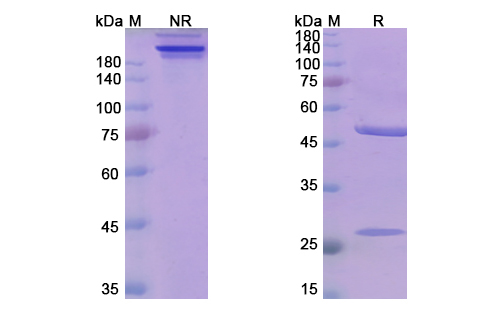
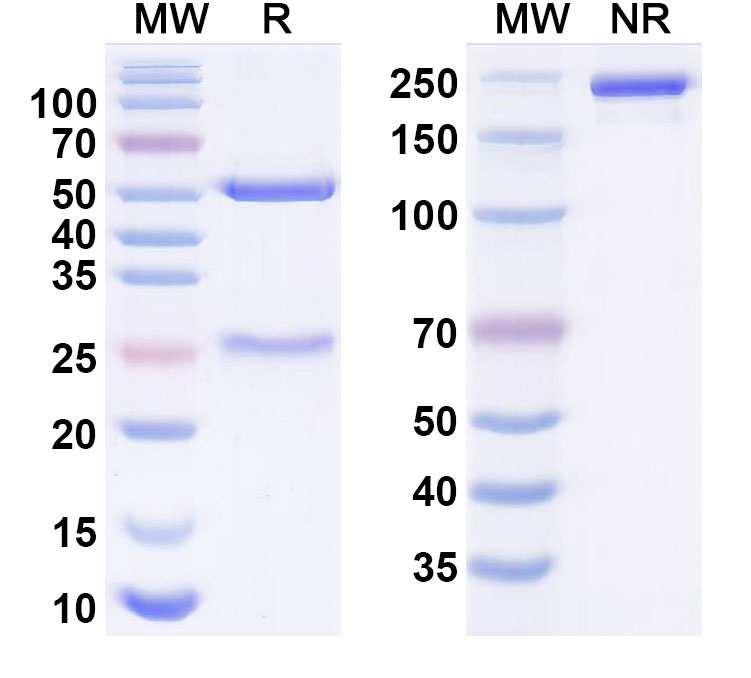
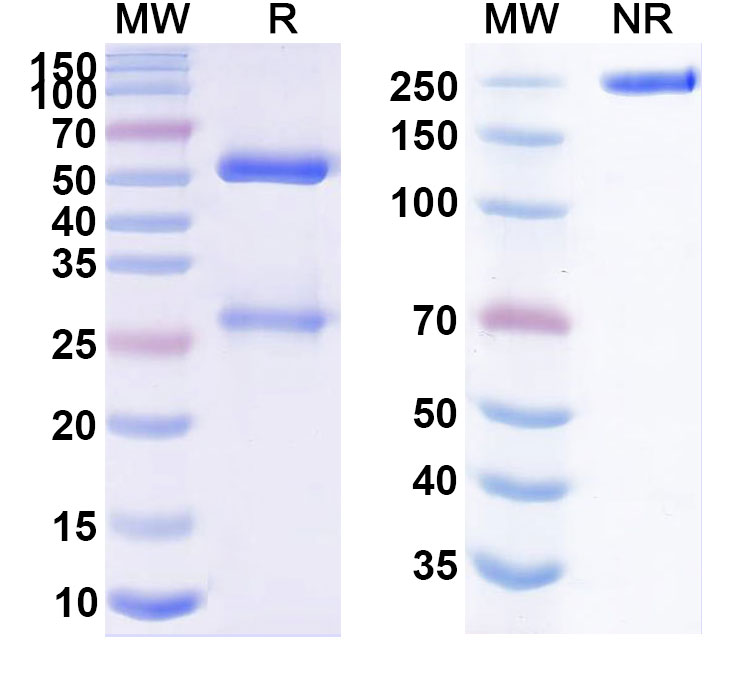
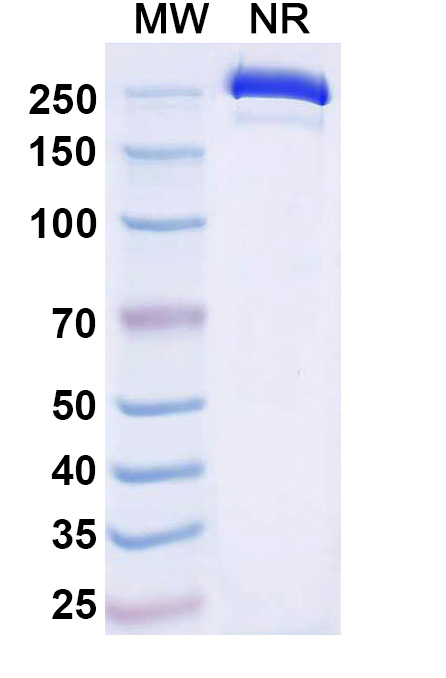
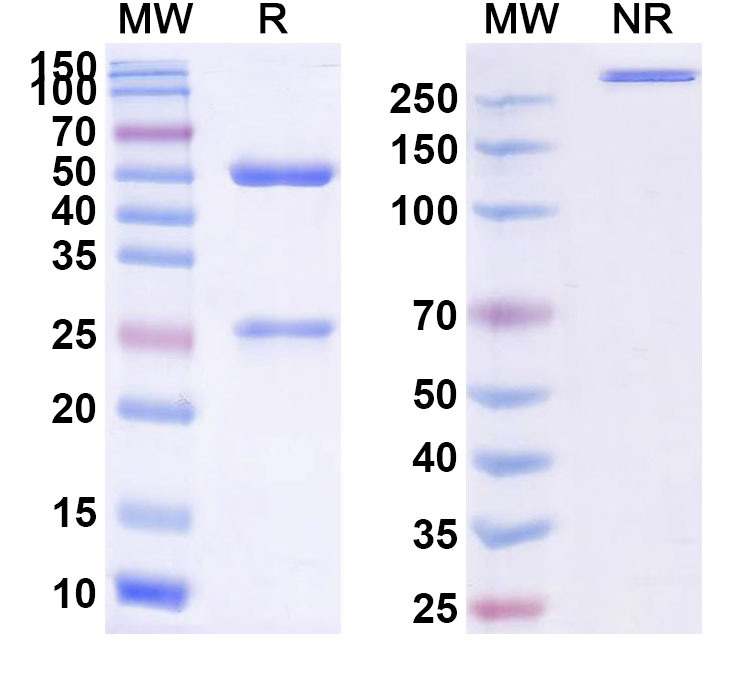
Tarlatamab Biosimilar is a recombinant humanized IgG1 monoclonal antibody, with a molecular weight of approximately 150 kDa. It is composed of two heavy chains and two light chains, and is produced through genetic engineering techniques using mammalian cell lines. The antibody has a specific binding site on its variable region, which allows it to bind to the DLL3 protein.
Mechanism of Action
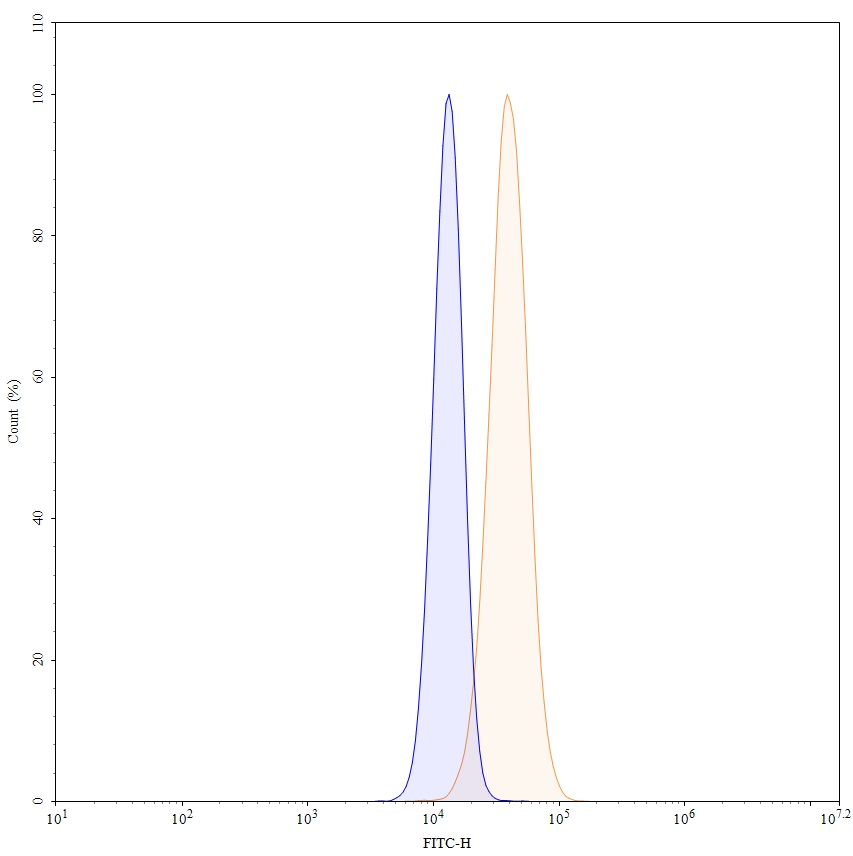
Tarlatamab Biosimilar works by binding to the DLL3 protein, which is a Notch ligand that is highly expressed in various types of cancer, including small cell lung cancer (SCLC), neuroendocrine tumors, and others. DLL3 plays a crucial role in cancer cell proliferation, survival, and invasion, making it a promising therapeutic target. By binding to DLL3, Tarlatamab Biosimilar inhibits the Notch signaling pathway, which is essential for cancer cell growth and survival. This leads to the inhibition of tumor growth and ultimately, cancer cell death.
Applications of Tarlatamab Biosimilar
Tarlatamab Biosimilar is currently being studied for its potential use in the treatment of various types of cancer, including SCLC, neuroendocrine tumors, and other DLL3-expressing cancers. It is being evaluated as a monotherapy as well as in combination with other cancer treatments, such as chemotherapy and immunotherapy. This biosimilar has shown promising results in preclinical studies and is currently in phase I clinical trials for the treatment of SCLC.
Advantages of Tarlatamab Biosimilar
As a biosimilar, Tarlatamab Biosimilar offers several advantages over the existing drug, Tarlatamab. Firstly, being a biosimilar, it has a similar structure and mechanism of action as the original drug, making it a potential alternative for patients who may not respond to Tarlatamab or may experience adverse effects. Additionally, being a recombinant antibody, it has a lower risk of immunogenicity and can be produced in large quantities, making it more cost-effective.
Conclusion
In conclusion, Tarlatamab Biosimilar is a promising therapeutic option for the treatment of various types of cancer, especially those that overexpress the DLL3 protein. Its unique mechanism of action and advantages as a biosimilar make it a potential alternative for cancer patients. Further studies and clinical trials are needed to fully evaluate its efficacy and safety, but it holds great potential in the fight against cancer.
There are no reviews yet.