Introduction
Mezagitamab Biosimilar, also known as Anti-CD38 mAb, is a research grade monoclonal antibody that has been developed as a potential therapeutic agent for various diseases. This antibody specifically targets CD38, a cell surface protein that is involved in several biological processes, making it a promising therapeutic target.
Structure of Mezagitamab Biosimilar
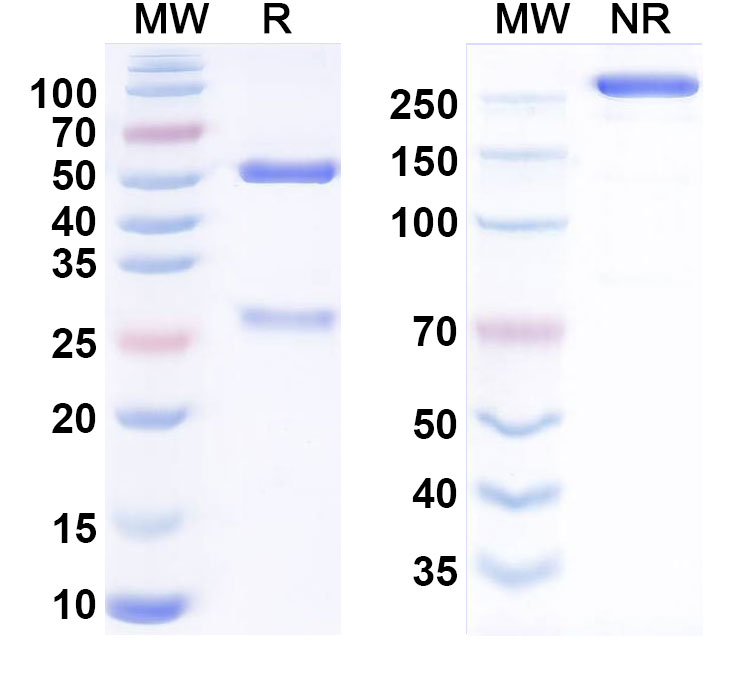
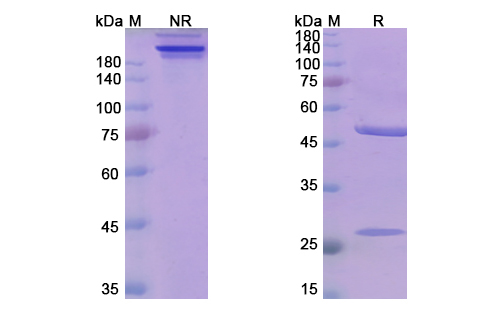
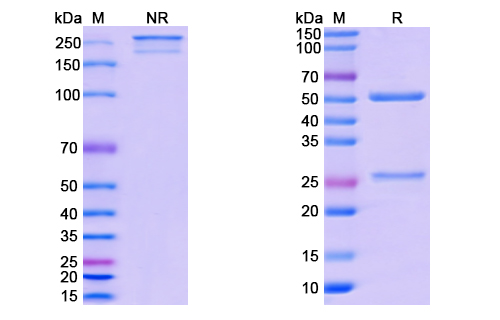
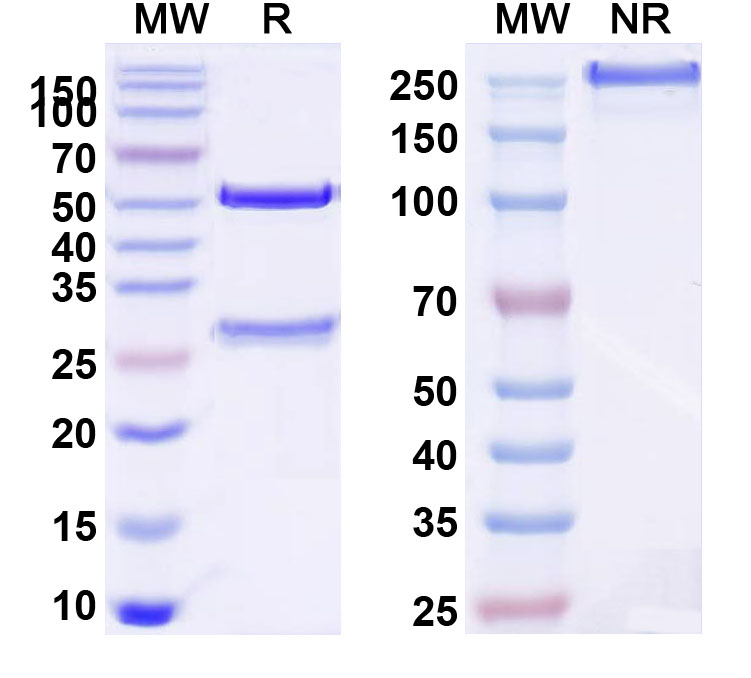
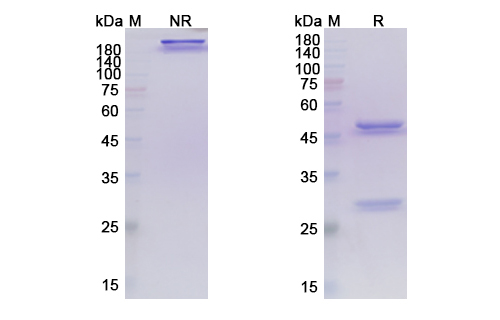
Mezagitamab Biosimilar is a recombinant humanized monoclonal antibody that is produced using advanced biotechnology techniques. It is composed of two heavy chains and two light chains, which are connected by disulfide bonds. The antibody has a molecular weight of approximately 150 kDa.
Mechanism of Action
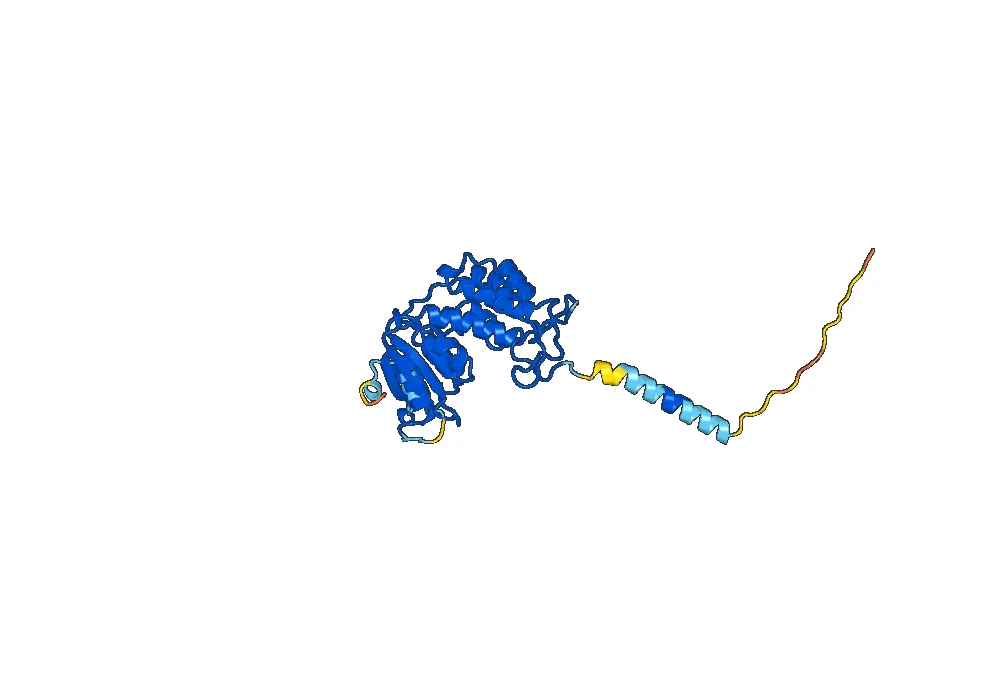
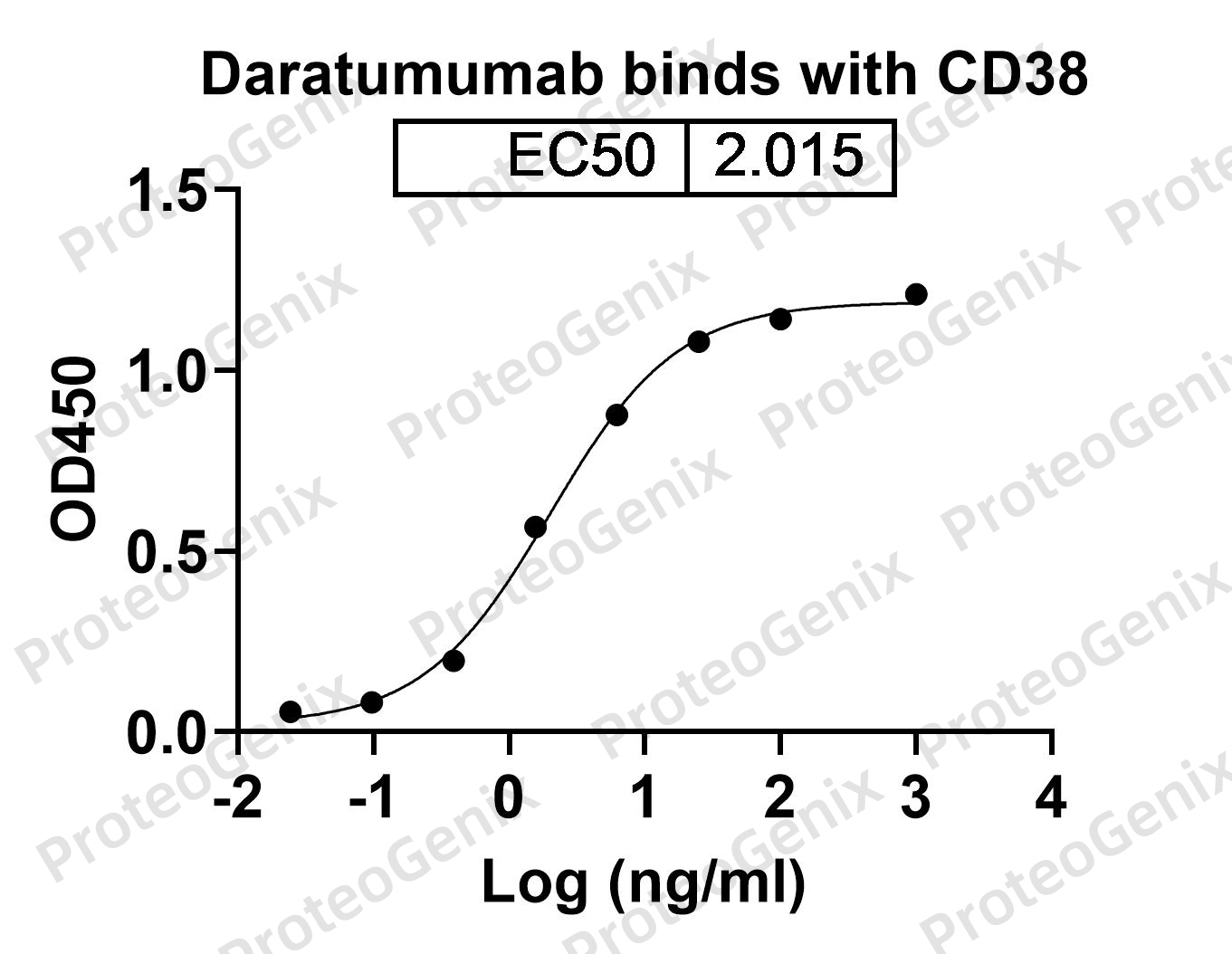
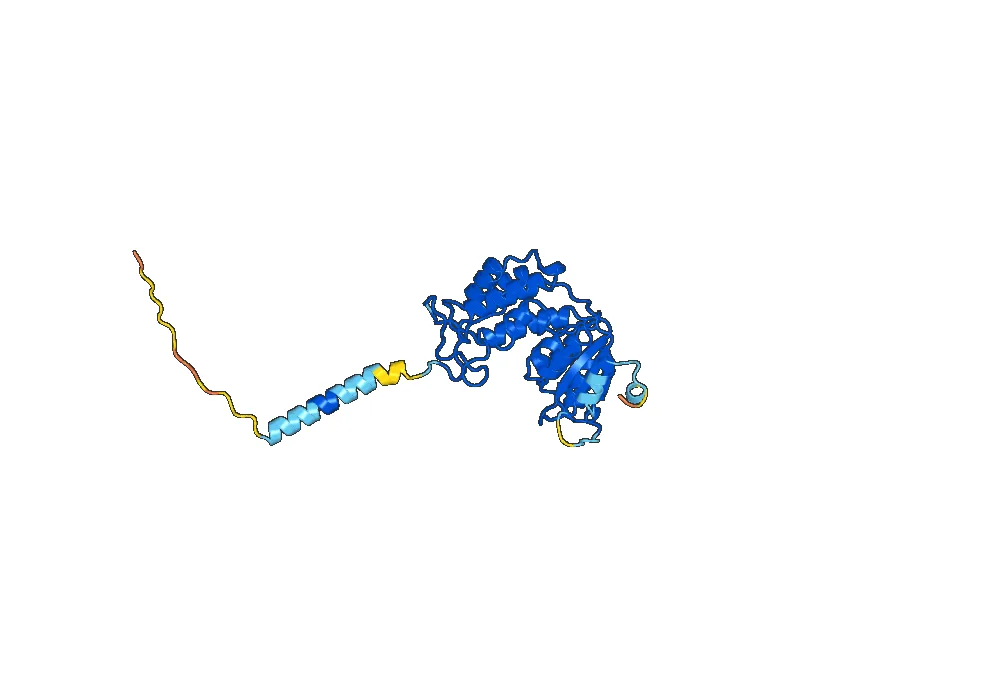
Mezagitamab Biosimilar works by binding to CD38 on the surface of cells. CD38 is a transmembrane glycoprotein that is expressed on various cell types, including immune cells, plasma cells, and some cancer cells. When Mezagitamab Biosimilar binds to CD38, it triggers a series of events that ultimately lead to the destruction of the target cell.
Activation of Immune Response
One of the main mechanisms of action of Mezagitamab Biosimilar is the activation of the immune response. CD38 is involved in the regulation of immune cell function, and its overexpression has been linked to immune dysfunction in various diseases. By targeting and binding to CD38, Mezagitamab Biosimilar can modulate the activity of immune cells, leading to enhanced immune response against diseased cells.
Induction of Apoptosis
Mezagitamab Biosimilar also induces apoptosis, or programmed cell death, in cells that express high levels of CD38. This mechanism is particularly relevant in cancer cells, as they often evade apoptosis and continue to grow uncontrollably. By binding to CD38, Mezagitamab Biosimilar activates signaling pathways that promote apoptosis, effectively killing cancer cells.
Applications of Mezagitamab Biosimilar
Mezagitamab Biosimilar has shown promising results in preclinical studies for the treatment of various diseases, including multiple myeloma, chronic lymphocytic leukemia, and autoimmune diseases.
Multiple Myeloma Multiple myeloma is a type of blood
cancer that affects plasma cells. CD38 is highly expressed on the surface of multiple myeloma cells, making it an ideal target for Mezagitamab Biosimilar. In preclinical studies, Mezagitamab Biosimilar has shown significant anti-tumor activity and prolonged survival in animal models of multiple myeloma.
Chronic Lymphocytic Leukemia
Chronic lymphocytic leukemia (CLL) is a type of cancer that affects white blood cells. CD38 is expressed at high levels on the surface of CLL cells, making it a potential therapeutic target. Mezagitamab Biosimilar has shown promising results in preclinical studies, with significant reduction in tumor burden and improved survival rates in animal models of CLL.
Autoimmune Diseases
CD38 is involved in the regulation of immune cell function, and its overexpression has been linked to autoimmune diseases such as rheumatoid arthritis and multiple sclerosis. Mezagitamab Biosimilar has shown potential in preclinical studies for the treatment of these diseases, by modulating the activity of immune cells and reducing inflammation.
Conclusion
Mezagitamab Biosimilar, also known as Anti-CD38 mAb, is a research grade monoclonal antibody that specifically targets CD38. Its unique mechanism of action, which involves activation of the immune response and induction of apoptosis, makes it a promising therapeutic agent for various diseases. With ongoing research and clinical trials, Mezagitamab Biosimilar has the potential to improve the treatment options for patients with multiple myeloma, chronic lymphocytic leukemia, and autoimmune diseases.
There are no reviews yet.