Coprelotamab Biosimilar: A Promising Anti-ERBB2 Monoclonal Antibody for
Cancer Treatment Introduction
Coprelotamab Biosimilar, also known as Anti-ERBB2 mAb, is a monoclonal antibody that has shown promising results in the treatment of various types of cancers. It is a biosimilar of Trastuzumab, a widely used therapeutic antibody targeting the human epidermal growth factor receptor 2 (HER2 or ERBB2). Coprelotamab Biosimilar is designed to specifically bind to HER2 and inhibit its activity, thereby preventing cancer cell growth and proliferation.
Structure of Coprelotamab Biosimilar
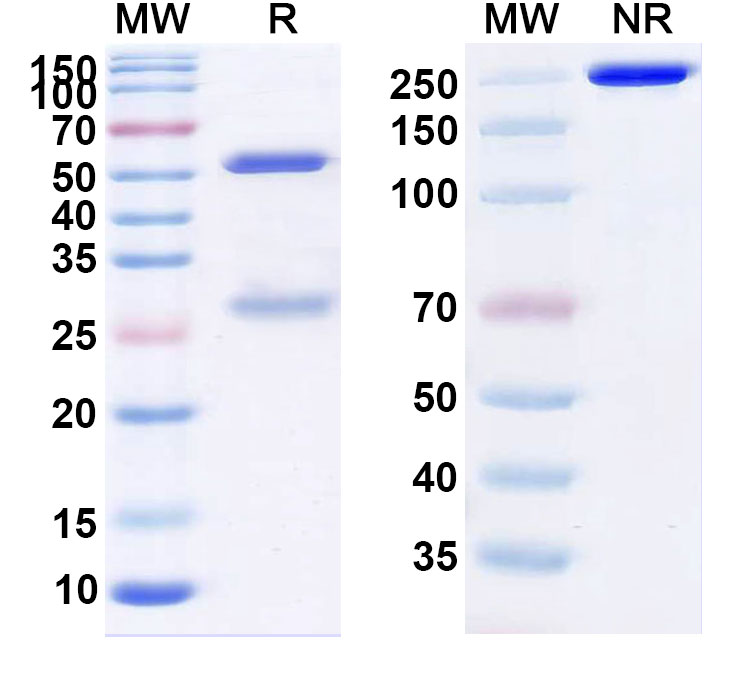
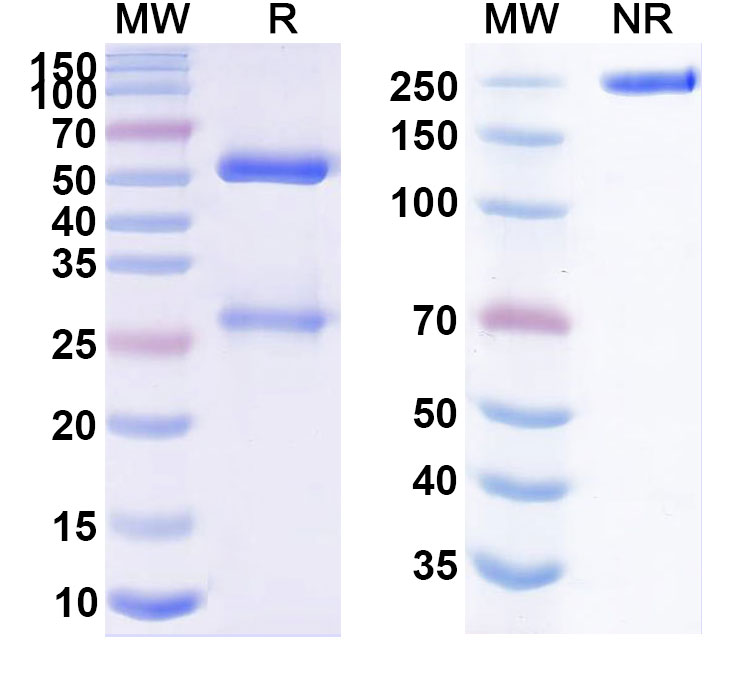
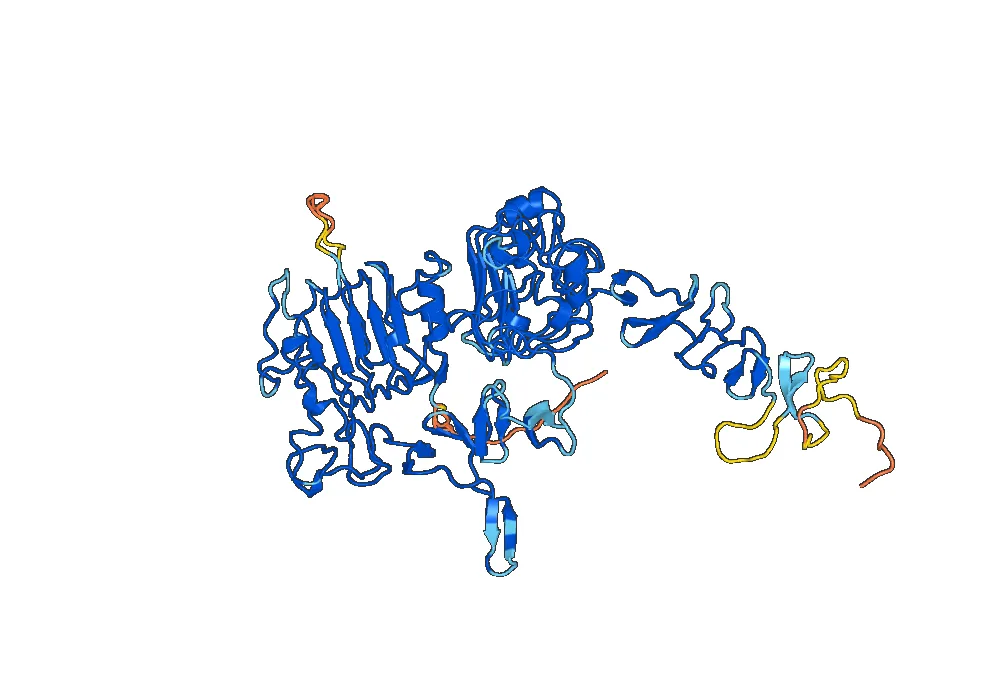
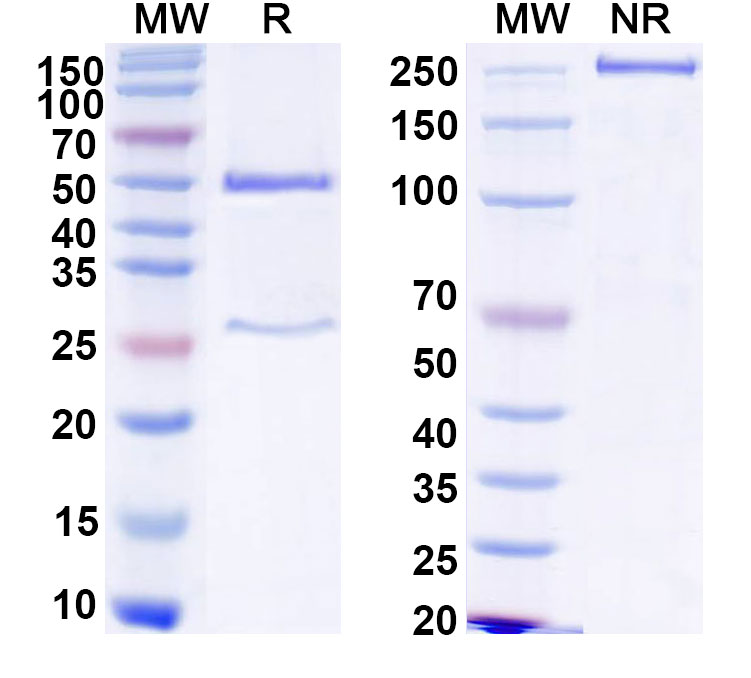
Coprelotamab Biosimilar is a recombinant humanized monoclonal antibody, meaning it is produced in the laboratory using genetic engineering techniques. It is composed of two identical heavy chains and two identical light chains, connected by disulfide bonds. The heavy chains consist of constant and variable regions, while the light chains only have variable regions. The variable regions of both chains contain complementarity-determining regions (CDRs) that determine the specificity of the antibody for its target.
The constant region of Coprelotamab Biosimilar is derived from human IgG1, making it less immunogenic and more compatible with human immune system. This also allows for better effector functions, such as antibody-dependent cell-mediated cytotoxicity (ADCC) and complement-dependent cytotoxicity (CDC), which are important mechanisms for cancer cell killing.
Mechanism of Action
Coprelotamab Biosimilar works by binding to HER2 on the surface of cancer cells, preventing the binding of its natural ligands and disrupting downstream signaling pathways. HER2 is a receptor tyrosine kinase that is overexpressed in many types of cancers, including breast, ovarian, and gastric cancer. Its overexpression is associated with aggressive tumor growth and poor prognosis. By targeting HER2, Coprelotamab Biosimilar inhibits cancer cell proliferation, induces cell death, and enhances the immune response against cancer cells.
In addition, Coprelotamab Biosimilar can also activate the immune system to attack cancer cells through ADCC and CDC. When the antibody binds to HER2, the constant region of the antibody interacts with immune cells, such as natural killer (NK) cells and macrophages, triggering them to release cytotoxic substances and kill the cancer cells.
Applications of Coprelotamab Biosimilar
Coprelotamab Biosimilar is currently being evaluated in clinical trials for the treatment of HER2-positive breast cancer, gastric cancer, and other solid tumors. It has shown promising results in combination with chemotherapy and other targeted therapies, such as Pertuzumab and Lapatinib. In addition, it is also being investigated as a potential treatment for HER2-positive metastatic breast cancer that has become resistant to Trastuzumab.
Furthermore, Coprelotamab Biosimilar has the potential to be used as a biosimilar of Trastuzumab in countries where the latter is not available or affordable. This can increase access to effective cancer treatment and potentially reduce healthcare costs.
Conclusion
Coprelotamab Biosimilar is a promising anti-HER2 monoclonal antibody with a similar structure and mechanism of action as Trastuzumab. It has the potential to improve the treatment outcomes of HER2-positive cancers and provide an affordable option for patients in need. Further clinical studies are needed to fully evaluate its efficacy and safety, but the early results are encouraging. Coprelotamab Biosimilar has the potential to be a valuable addition to the arsenal of cancer therapeutics and improve the lives of cancer patients worldwide.

There are no reviews yet.