Introduction to Sigvotatug Biosimilar – Anti-ITGB6 mAb
Sigvotatug Biosimilar – Anti-ITGB6 mAb is a novel biosimilar antibody that targets the Integrin Beta 6 (ITGB6) protein. This antibody is being developed as a potential therapeutic for various diseases, including cancer and fibrosis. In this article, we will explore the structure, activity, and potential applications of Sigvotatug Biosimilar – Anti-ITGB6 mAb.
Structure of Sigvotatug Biosimilar – Anti-ITGB6 mAb
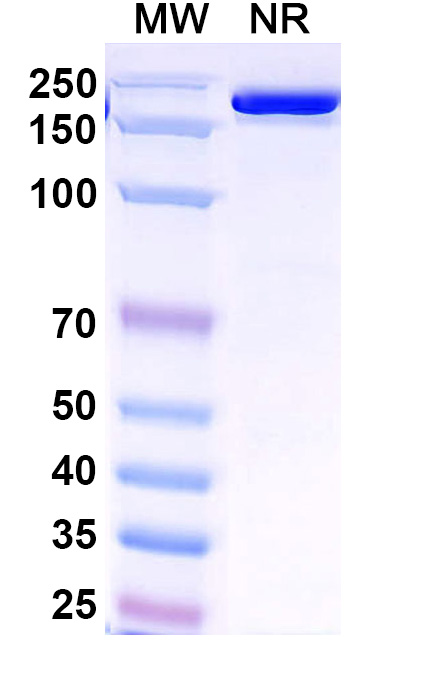
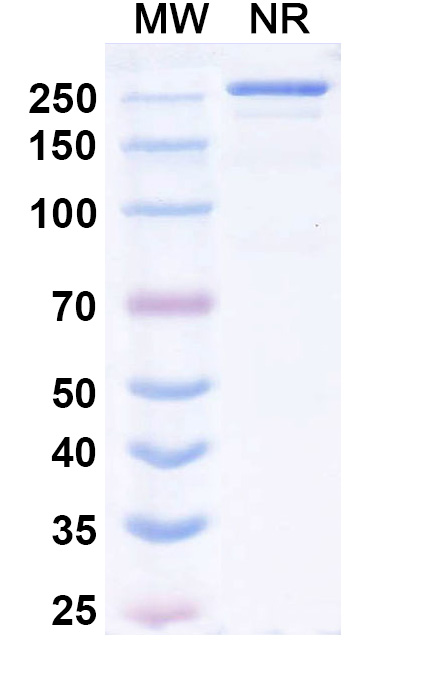
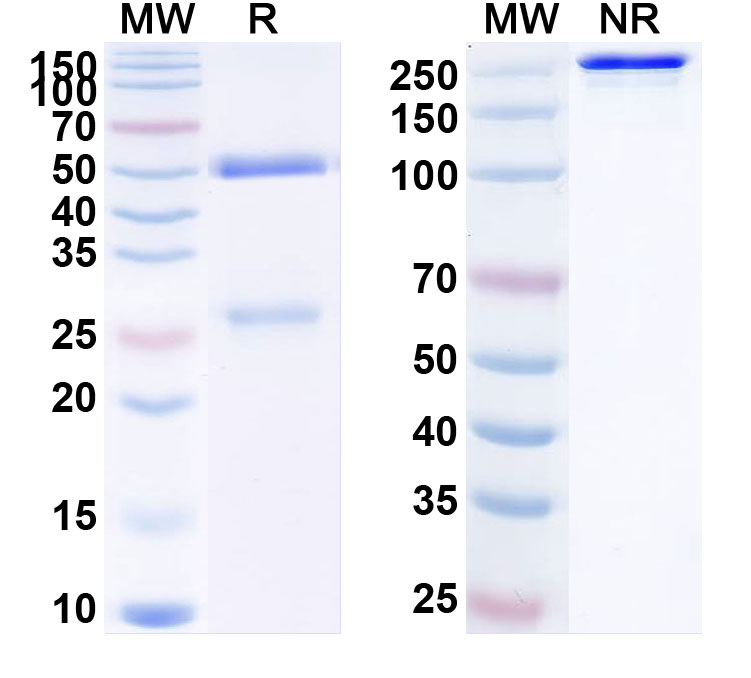
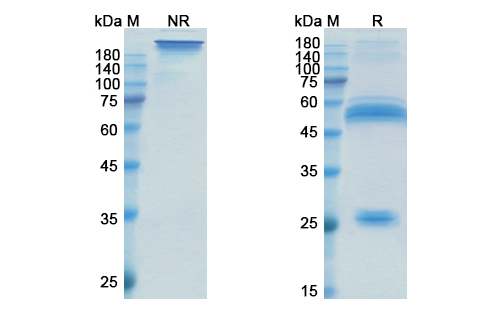
Sigvotatug Biosimilar – Anti-ITGB6 mAb is a monoclonal antibody that is designed to mimic the structure of the humanized anti-ITGB6 monoclonal antibody, Etrolizumab. It is composed of two heavy chains and two light chains, each with a variable region that specifically binds to the ITGB6 protein. The variable regions are connected to constant regions, which determine the antibody’s effector functions.
Activity of Sigvotatug Biosimilar – Anti-ITGB6 mAb
The main activity of Sigvotatug Biosimilar – Anti-ITGB6 mAb is to bind to the ITGB6 protein, which is a cell surface receptor that plays a crucial role in cell adhesion and signaling. By binding to ITGB6, this antibody can block the interaction between ITGB6 and its ligands, such as the extracellular matrix protein, fibronectin. This can prevent the activation of downstream signaling pathways, which are involved in cell proliferation, migration, and survival.
Title: Potential Applications of Sigvotatug Biosimilar – Anti-ITGB6 mAb
1.
Cancer therapy: ITGB6 is overexpressed in various types of cancer, including colon, lung, and pancreatic cancer. By targeting ITGB6, Sigvotatug Biosimilar – Anti-ITGB6 mAb has the potential to inhibit the growth and metastasis of cancer cells. It can also enhance the effectiveness of other cancer treatments, such as chemotherapy and radiation therapy.
2. Fibrosis treatment: ITGB6 is also involved in the development of fibrosis, which is the excessive accumulation of scar tissue in organs. By blocking ITGB6, Sigvotatug Biosimilar – Anti-ITGB6 mAb can prevent the activation of fibroblasts, which are responsible for producing scar tissue. This can potentially slow down or even reverse the progression of fibrosis in various organs, such as the lungs and liver.
3. Inflammatory diseases: ITGB6 has been implicated in various inflammatory diseases, including inflammatory bowel disease (IBD) and rheumatoid arthritis. By targeting ITGB6, Sigvotatug Biosimilar – Anti-ITGB6 mAb can reduce inflammation and potentially alleviate symptoms in patients with these conditions.
4. Other potential applications: In addition to the above, Sigvotatug Biosimilar – Anti-ITGB6 mAb may have potential applications in other diseases, such as psoriasis, multiple sclerosis, and diabetic nephropathy. Further research is needed to fully understand the role of ITGB6 in these diseases and to determine the effectiveness of Sigvotatug Biosimilar – Anti-ITGB6 mAb in treating them.
Conclusion
In conclusion, Sigvotatug Biosimilar – Anti-ITGB6 mAb is a promising biosimilar antibody that specifically targets the ITGB6 protein. Its structure and activity make it a potential therapeutic for various diseases, including cancer, fibrosis, and inflammatory conditions. Further research and clinical trials are needed to fully evaluate the effectiveness and safety of this antibody in treating these diseases.

There are no reviews yet.