Introduction:
Lumrotatug Biosimilar – Anti-Cyclic ADP-ribose hydrolase 1 mAb – Research Grade is a novel biosimilar antibody that has shown promising results in treating various diseases. This antibody targets the enzyme cyclic ADP-ribose hydrolase 1 (CD38), which is involved in various physiological processes and has been linked to several diseases. In this article, we will discuss the structure, activity, and potential applications of this biosimilar antibody.
Structure of Lumrotatug Biosimilar:
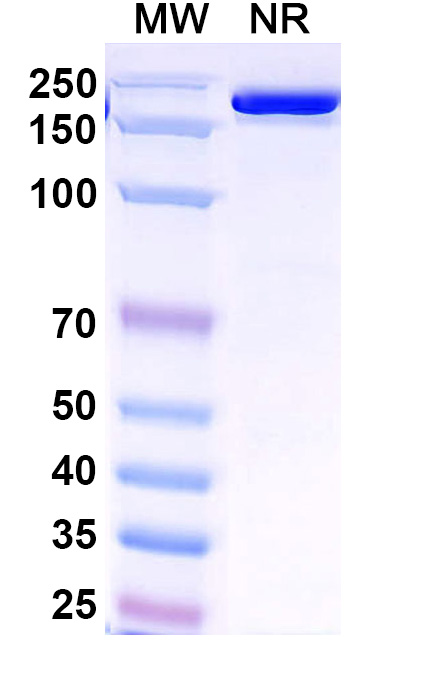
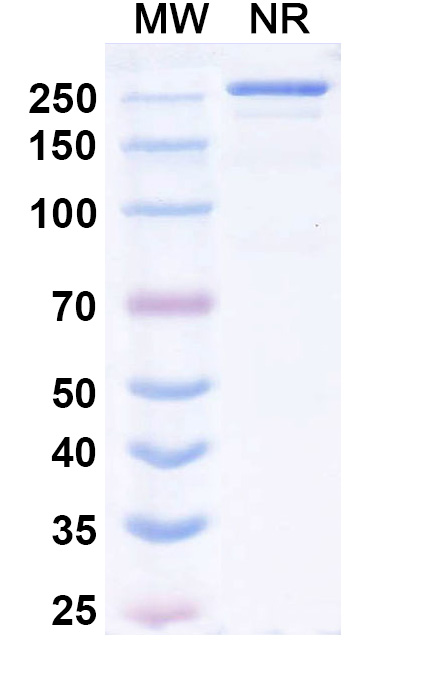
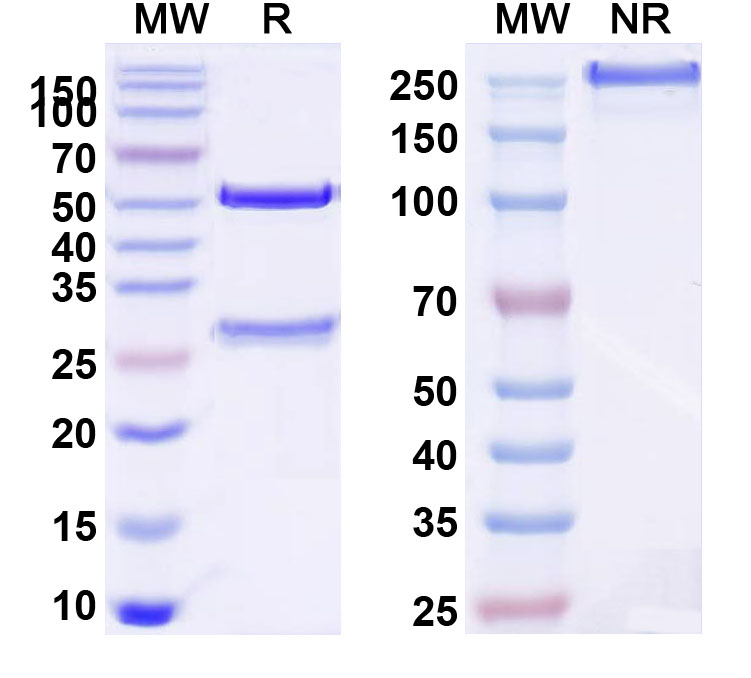
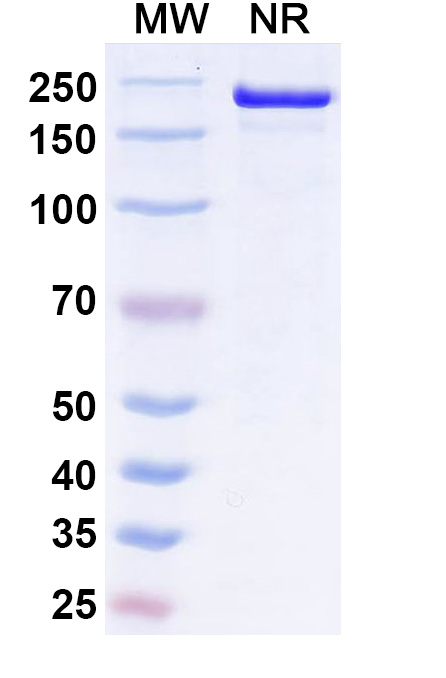
Lumrotatug Biosimilar is a monoclonal antibody (mAb) that is produced by recombinant DNA technology. It is a biosimilar to the FDA-approved drug Darzalex (daratumumab) and has a similar structure and function. The antibody is composed of two heavy chains and two light chains, which are linked by disulfide bonds. The heavy chains are further divided into constant and variable regions, while the light chains have only a variable region.
Activity of Lumrotatug Biosimilar:
Lumrotatug Biosimilar specifically targets CD38, which is a transmembrane glycoprotein expressed on the surface of various immune cells, including B cells, T cells, and natural killer cells. CD38 is involved in the production of cyclic ADP-ribose (cADPR), a signaling molecule that regulates immune responses and cell proliferation. However, overexpression of CD38 has been linked to various diseases, including multiple myeloma, chronic lymphocytic leukemia, and autoimmune disorders.
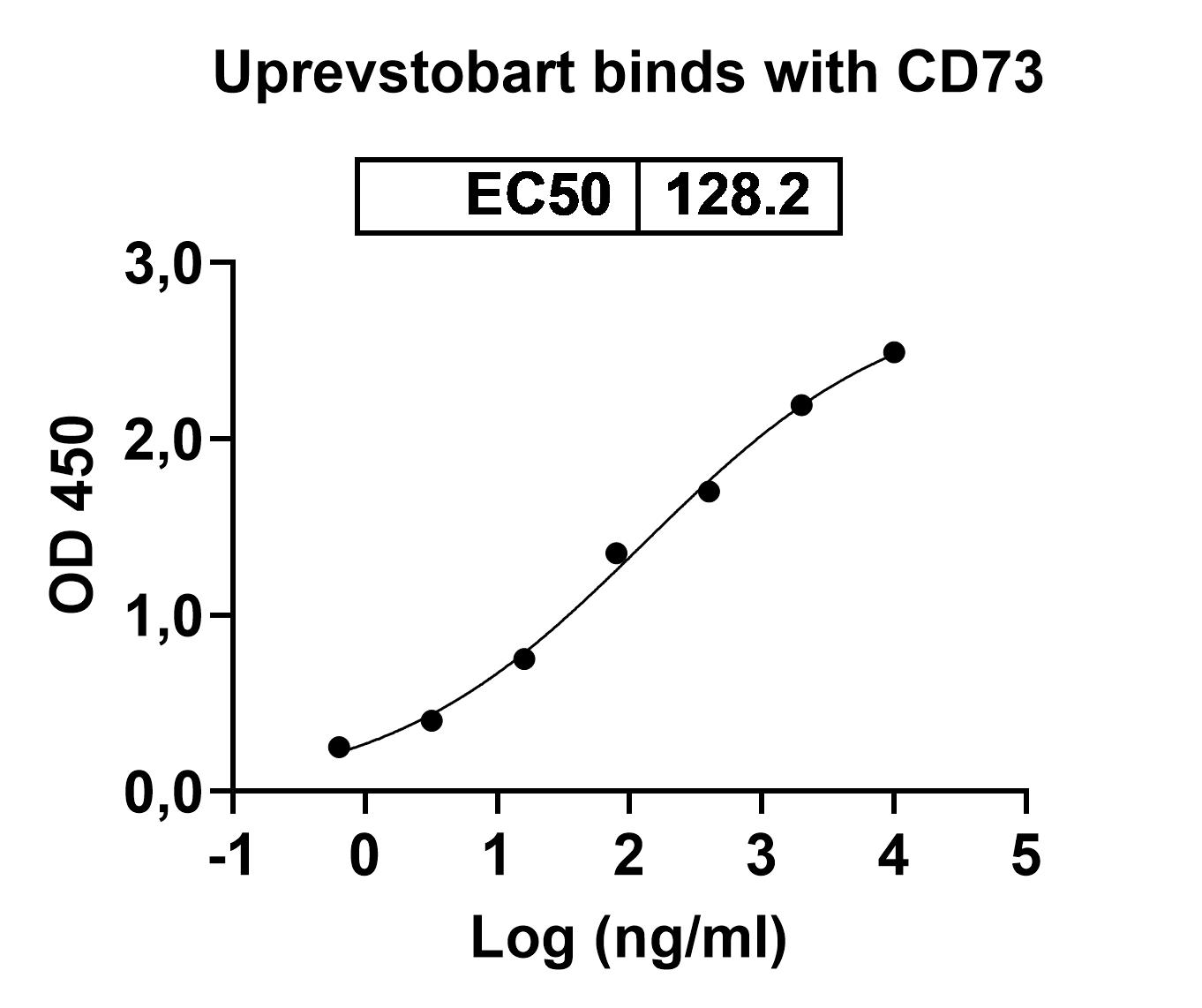
Lumrotatug Biosimilar binds to CD38 with high affinity and inhibits its enzymatic activity, thereby reducing the production of cADPR. This leads to a decrease in immune cell activation and proliferation, making it an effective therapeutic agent for diseases associated with CD38 overexpression.
Application of Lumrotatug Biosimilar:
Lumrotatug Biosimilar has shown promising results in clinical trials for the treatment of multiple myeloma, a type of blood cancer that is characterized by the abnormal growth of plasma cells. It has also shown potential in the treatment of other B-cell malignancies, such as chronic lymphocytic leukemia and non-Hodgkin’s lymphoma.
In addition to cancer, Lumrotatug Biosimilar has potential applications in autoimmune disorders, as CD38 has been implicated in the pathogenesis of diseases such as rheumatoid arthritis, systemic lupus erythematosus, and Sjogren’s syndrome. By inhibiting CD38 activity, this biosimilar antibody can modulate the immune response and potentially alleviate symptoms of these diseases.
Furthermore, Lumrotatug Biosimilar has been studied in combination with other therapies, such as chemotherapy and immunomodulators, and has shown synergistic effects in preclinical studies. This suggests that it can be used in combination with other treatments to enhance their efficacy and improve patient outcomes.
Conclusion:
In conclusion, Lumrotatug Biosimilar – Anti-Cyclic ADP-ribose hydrolase 1 mAb – Research Grade is a novel biosimilar antibody that targets CD38 and has shown promising results in treating various diseases. Its structure and activity make it a potent therapeutic agent for diseases associated with CD38 overexpression, such as multiple myeloma and autoimmune disorders. Further research and clinical trials are needed to fully explore the potential of this biosimilar antibody in the treatment of these diseases.
There are no reviews yet.