Introduction
Samrotamab Biosimilar, also known as Anti-LRRC15 mAb, is a novel therapeutic antibody that has been developed for the treatment of various diseases. This biosimilar is a monoclonal antibody that specifically targets the protein LRRC15 and has shown promising results in preclinical studies. In this article, we will provide a detailed description of the structure, activity, and potential applications of Samrotamab Biosimilar.
Structure of Samrotamab Biosimilar
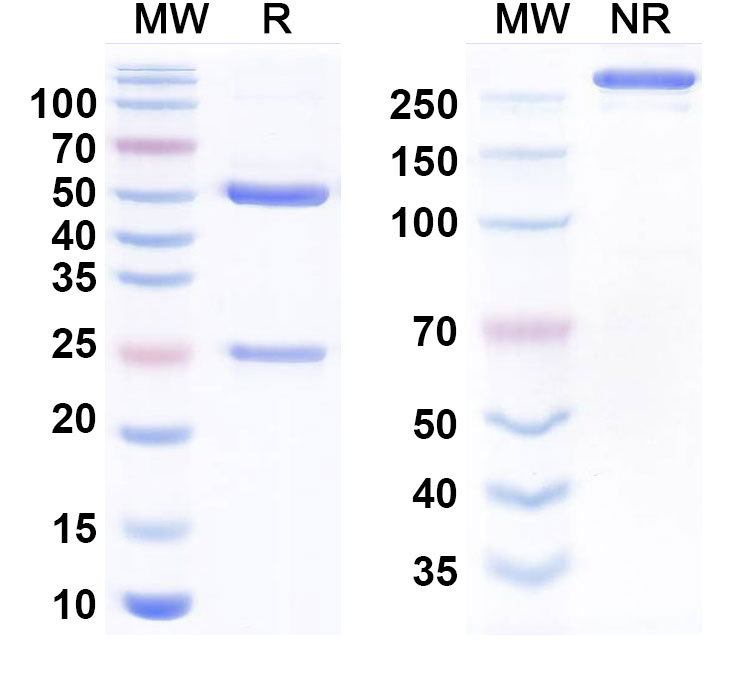
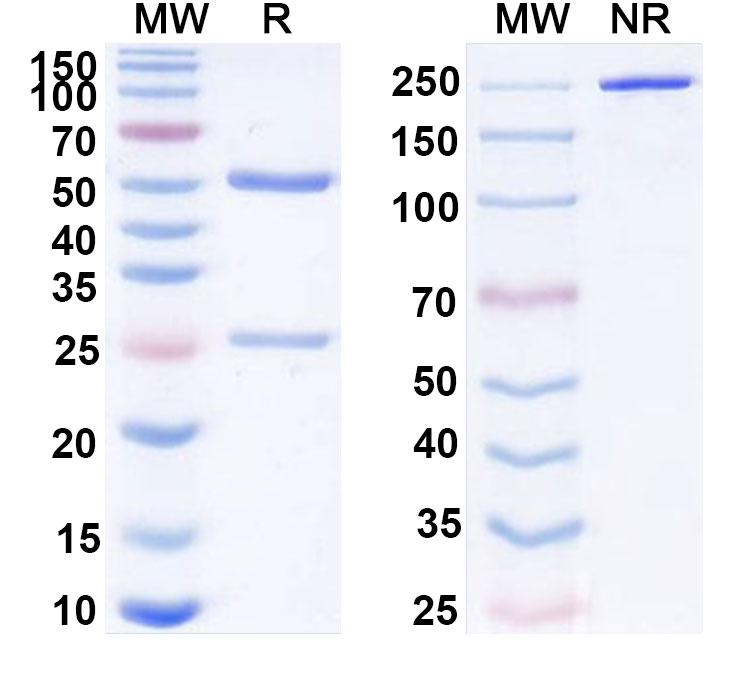
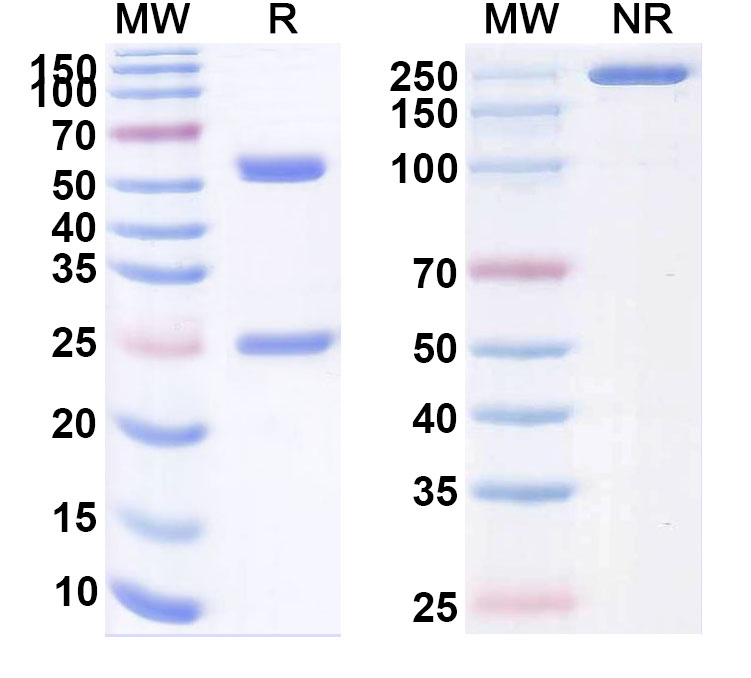
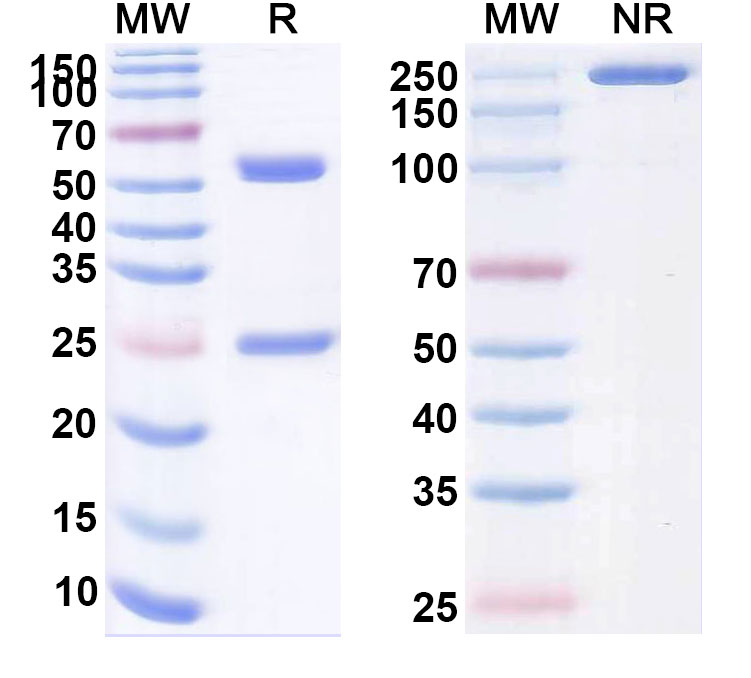
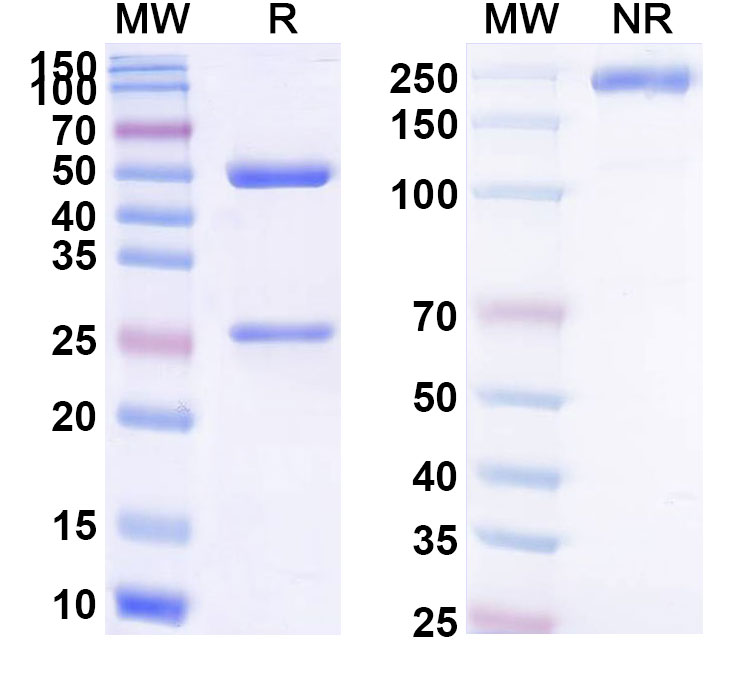
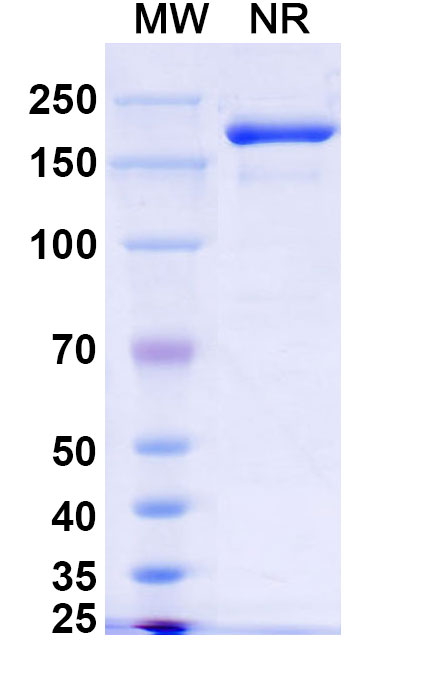
Samrotamab Biosimilar is a recombinant monoclonal antibody that is produced in a laboratory using genetic engineering techniques. It is a humanized antibody, meaning that it is derived from non-human sources but has been modified to resemble a human antibody. The antibody is composed of two identical heavy chains and two identical light chains, which are connected by disulfide bonds. The heavy chains are approximately 50 kDa in size, while the light chains are about 25 kDa. The antibody has a Y-shaped structure, with two antigen-binding Fab regions and one Fc region that is responsible for effector functions.
Activity of Samrotamab Biosimilar
The main target of Samrotamab Biosimilar is the protein LRRC15, which is a transmembrane protein that is highly expressed in various types of cancer cells. LRRC15 has been identified as a potential therapeutic target due to its role in promoting tumor growth and metastasis. Samrotamab Biosimilar specifically binds to LRRC15 and blocks its activity, thereby inhibiting tumor growth and progression. Additionally, the antibody also triggers immune-mediated killing of cancer cells through its Fc region, further enhancing its anti-tumor activity.
Potential Applications of Samrotamab Biosimilar
Samrotamab Biosimilar has shown promising results in preclinical studies and is currently being evaluated for its potential use in the treatment of various types of cancer, including lung cancer, breast cancer, and colon cancer. In addition to its anti-tumor activity, the antibody has also shown potential in treating autoimmune diseases, as LRRC15 has been implicated in the development of certain autoimmune disorders. The biosimilar is also being investigated for its use in combination with other cancer therapies, such as chemotherapy and immunotherapy, to enhance their effectiveness.
Research Grade Samrotamab Biosimilar
In addition to its potential therapeutic applications, Samrotamab Biosimilar is also available as a research grade antibody. This means that it can be used by scientists and researchers for in vitro and in vivo studies to further understand the role of LRRC15 in disease and to evaluate the effectiveness of the antibody in different experimental models. The research grade antibody is produced under strict quality control measures to ensure its purity, potency, and consistency.
Conclusion
Samrotamab Biosimilar, also known as Anti-LRRC15 mAb, is a novel therapeutic antibody that specifically targets the protein LRRC15. It has a unique structure and mechanism of action, making it a promising candidate for the treatment of various types of cancer and autoimmune diseases. The research grade antibody is also available for use in scientific studies, further highlighting its potential in the field of biomedical research. With ongoing clinical trials, Samrotamab Biosimilar has the potential to become a valuable addition to the arsenal of cancer therapies.

There are no reviews yet.