Introduction
Fidasimtamab Biosimilar, also known as Anti-HER2 & PD1 mAb, is a research grade antibody that has shown promising results in targeting and treating various cancers. This biosimilar is a combination of two monoclonal antibodies, Anti-HER2 and PD1, which work together to inhibit the growth and spread of cancer cells. In this article, we will explore the structure, activity, and potential applications of Fidasimtamab Biosimilar.
Structure of Fidasimtamab Biosimilar
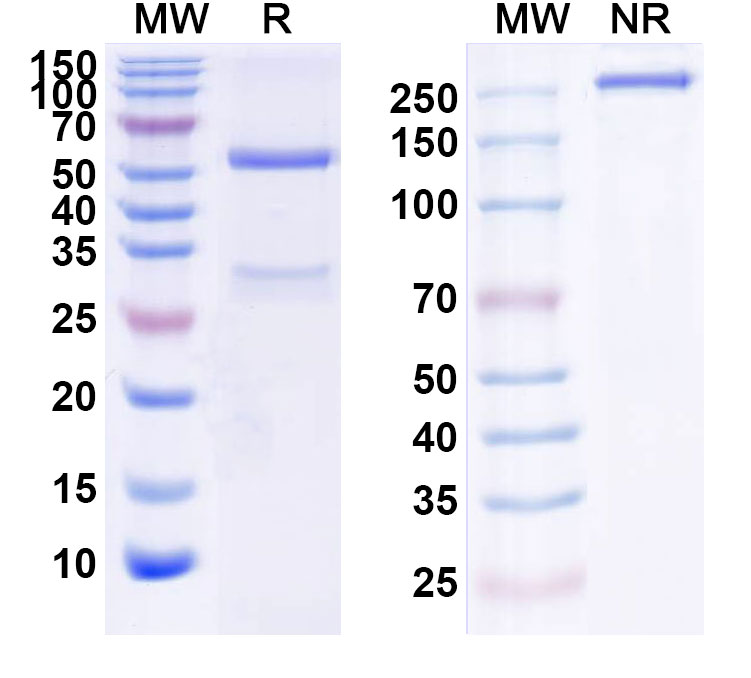
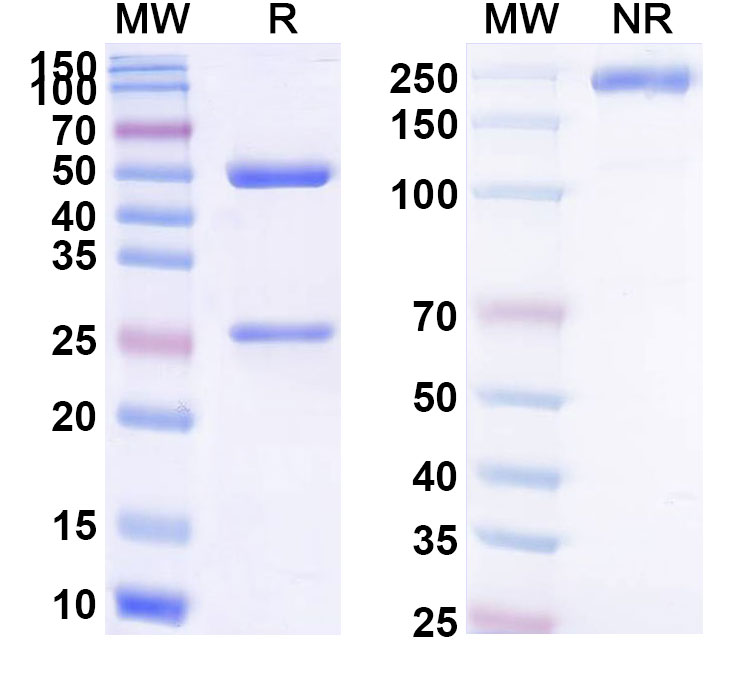
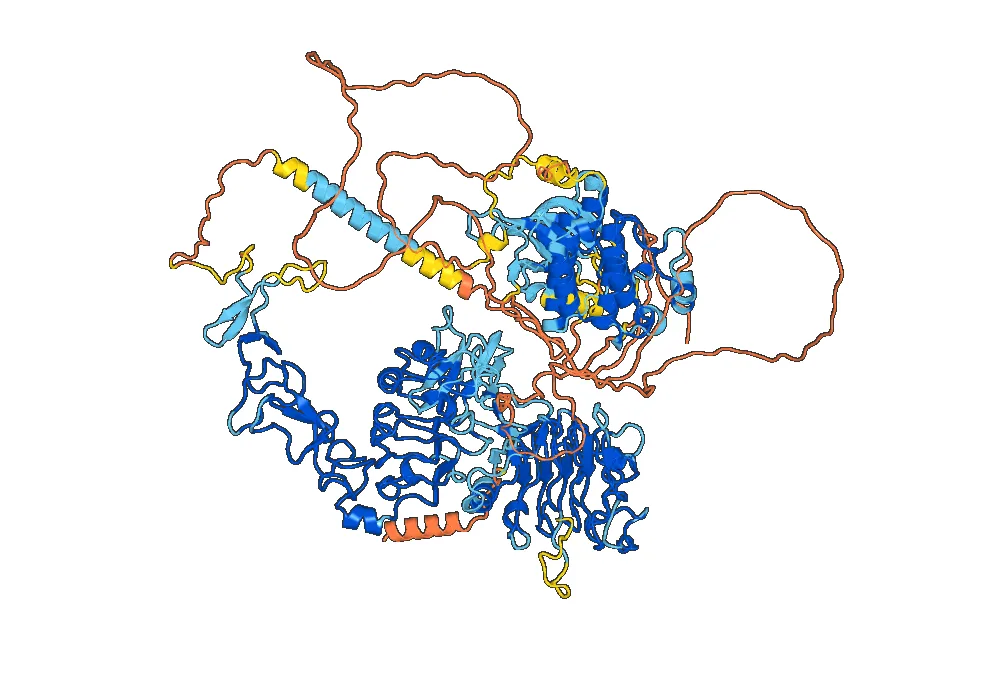
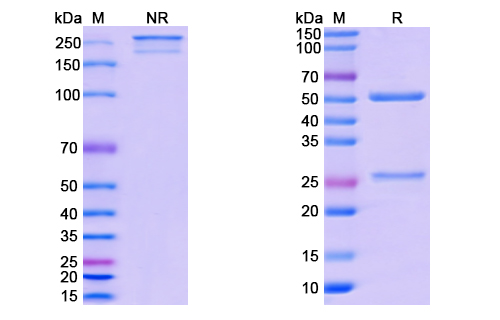
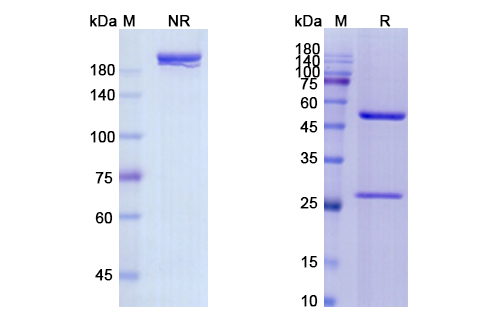
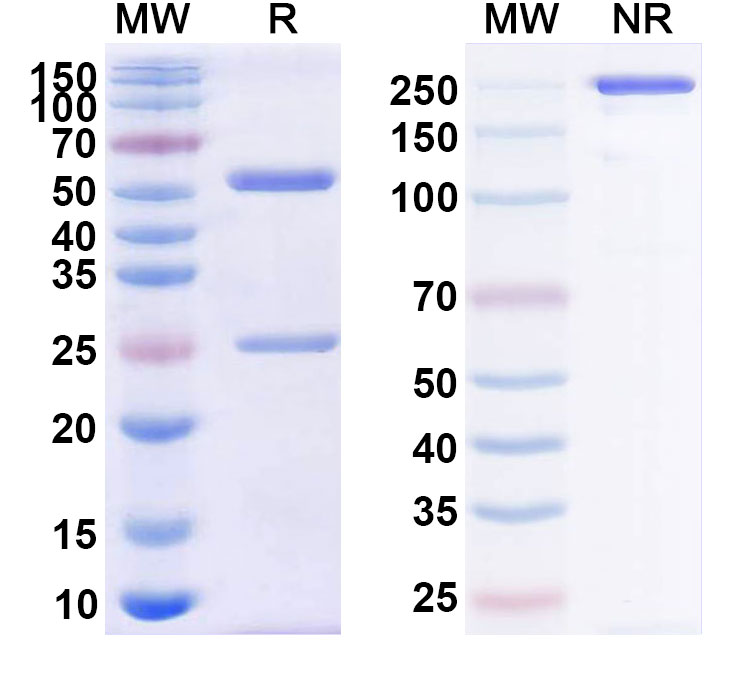
Fidasimtamab Biosimilar is a chimeric monoclonal antibody, meaning it is a combination of both human and non-human components. The antibody consists of two different heavy chains and two different light chains, each with their own unique amino acid sequences. These chains come together to form a Y-shaped structure, with two antigen binding sites at the ends of the arms.
Activity of Fidasimtamab Biosimilar
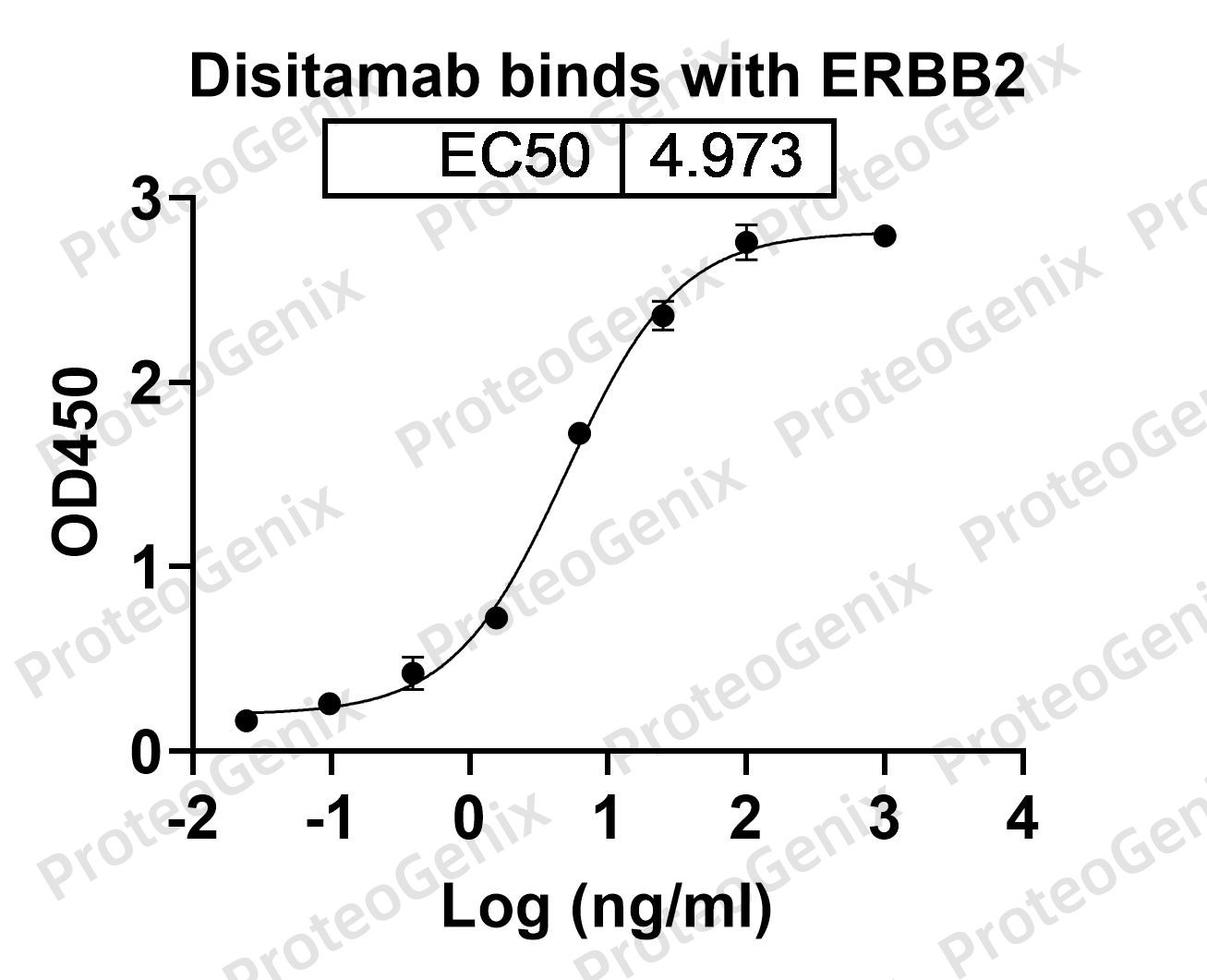
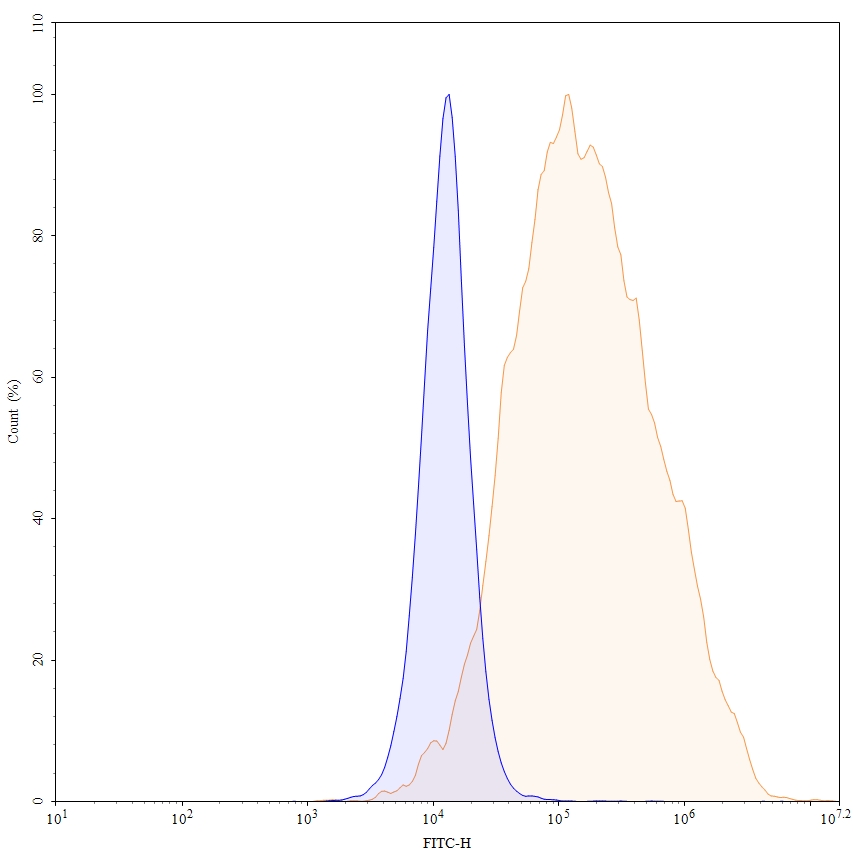
Fidasimtamab Biosimilar targets two specific proteins on the surface of cancer cells – HER2 and PD1. HER2 is a receptor protein that is overexpressed in certain types of cancer, including breast, gastric, and ovarian cancer. PD1, on the other hand, is a receptor protein found on immune cells that helps regulate the body’s immune response. By targeting both of these proteins, Fidasimtamab Biosimilar is able to block the growth and spread of cancer cells while also activating the body’s immune system to fight against the cancer.
In addition, Fidasimtamab Biosimilar has been shown to have a dual mechanism of action. It not only targets cancer cells directly, but it also activates the immune system to recognize and attack cancer cells. This makes it a potentially powerful treatment option for a wide range of cancers.
Applications of Fidasimtamab Biosimilar
Fidasimtamab Biosimilar is currently being studied in clinical trials for the treatment of various cancers, including HER2-positive breast cancer, gastric cancer, and ovarian cancer. It has also shown promising results in combination with other cancer therapies, such as chemotherapy and targeted therapies.
In HER2-positive breast
cancer, Fidasimtamab Biosimilar has been shown to significantly reduce tumor size and improve overall survival rates. In gastric cancer, it has been shown to improve response rates and progression-free survival. And in ovarian cancer, it has shown potential in treating recurrent disease.
Furthermore, Fidasimtamab Biosimilar has also been investigated as a potential treatment for other HER2-positive cancers, such as HER2-positive non-small cell lung cancer and HER2-positive colorectal cancer. These studies have shown promising results, suggesting that Fidasimtamab Biosimilar may have a wide range of applications in the treatment of various cancers.
Conclusion
Fidasimtamab Biosimilar, a combination of Anti-HER2 and PD1 monoclonal antibodies, has shown great potential in targeting and treating various cancers. Its unique structure and dual mechanism of action make it a promising option for cancer therapy. With ongoing clinical trials and research, Fidasimtamab Biosimilar has the potential to become a valuable treatment option for patients with HER2-positive cancers.

There are no reviews yet.