Introduction to Gumokimab Biosimilar – Anti-IL17 mAb
Gumokimab Biosimilar – Anti-IL17 mAb is a monoclonal antibody (mAb) that has been developed as a biosimilar to the original drug, Gumokimab. It is designed to target and inhibit the activity of interleukin-17 (IL-17), a cytokine involved in various inflammatory and autoimmune diseases. In this article, we will explore the structure, activity, and potential applications of Gumokimab Biosimilar in research.
Structure of Gumokimab Biosimilar
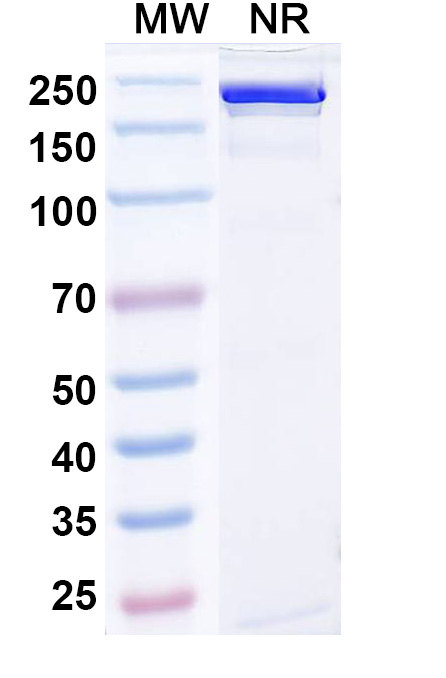
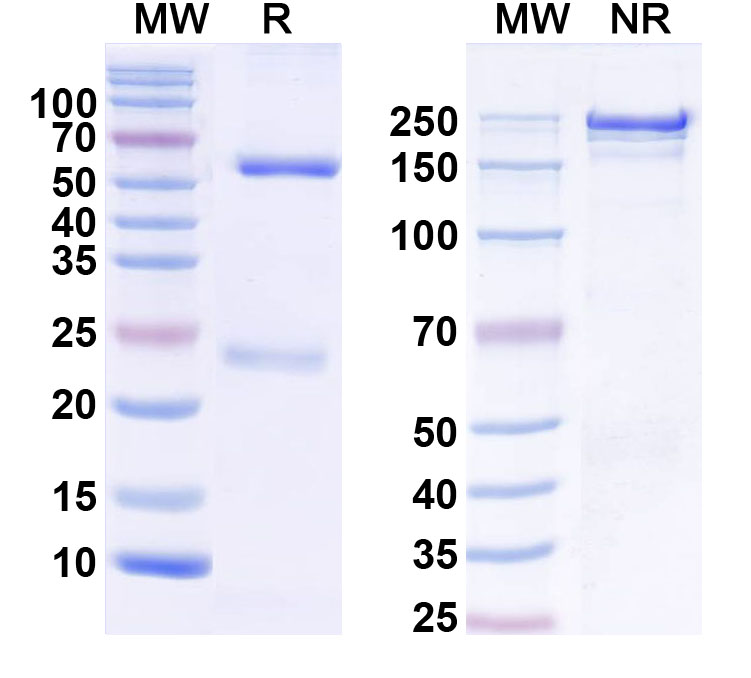
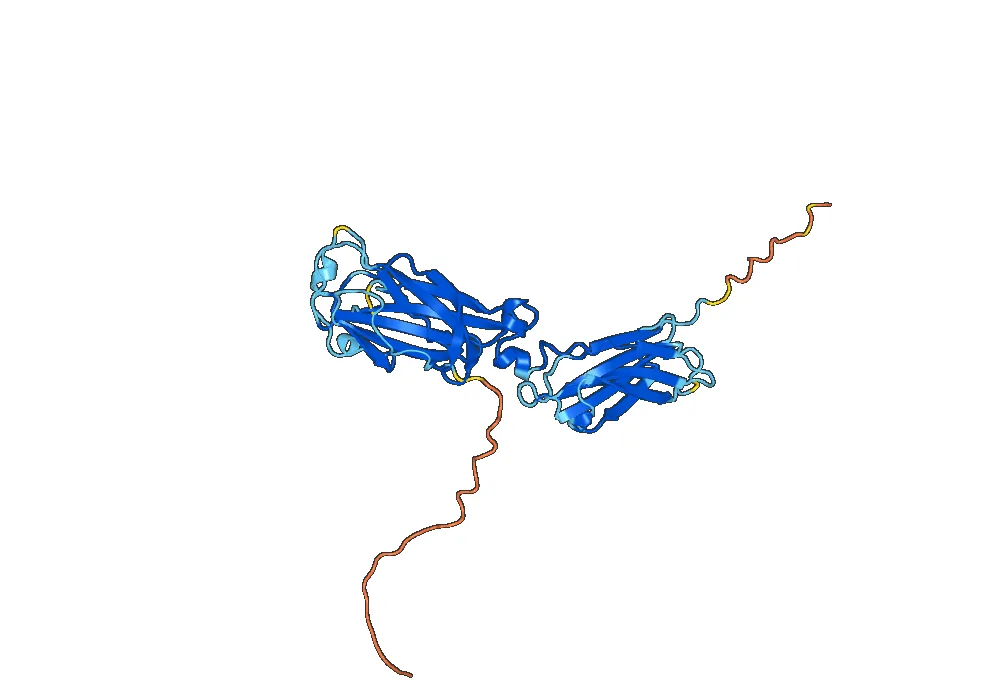
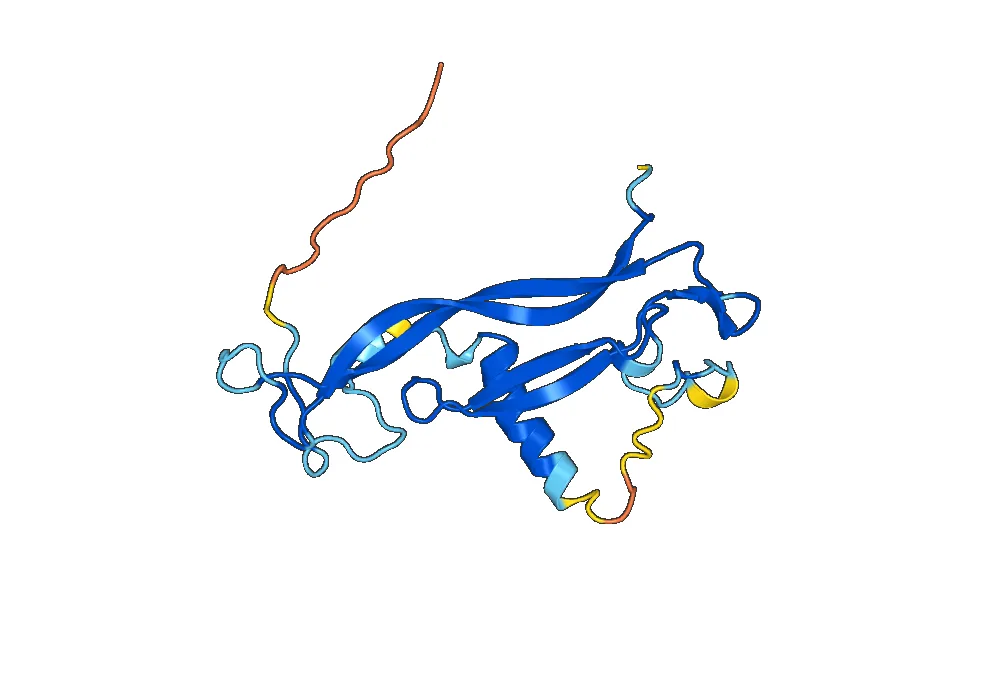
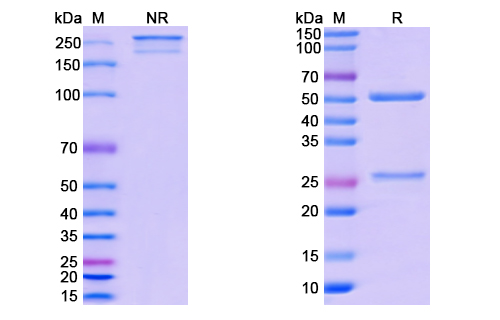
Gumokimab Biosimilar is a recombinant humanized IgG1 monoclonal antibody, with a molecular weight of approximately 150 kDa. It is composed of two heavy chains and two light chains, connected by disulfide bonds. The antibody has a variable region that binds specifically to IL-17, and a constant region that mediates effector functions.
Activity of Gumokimab Biosimilar
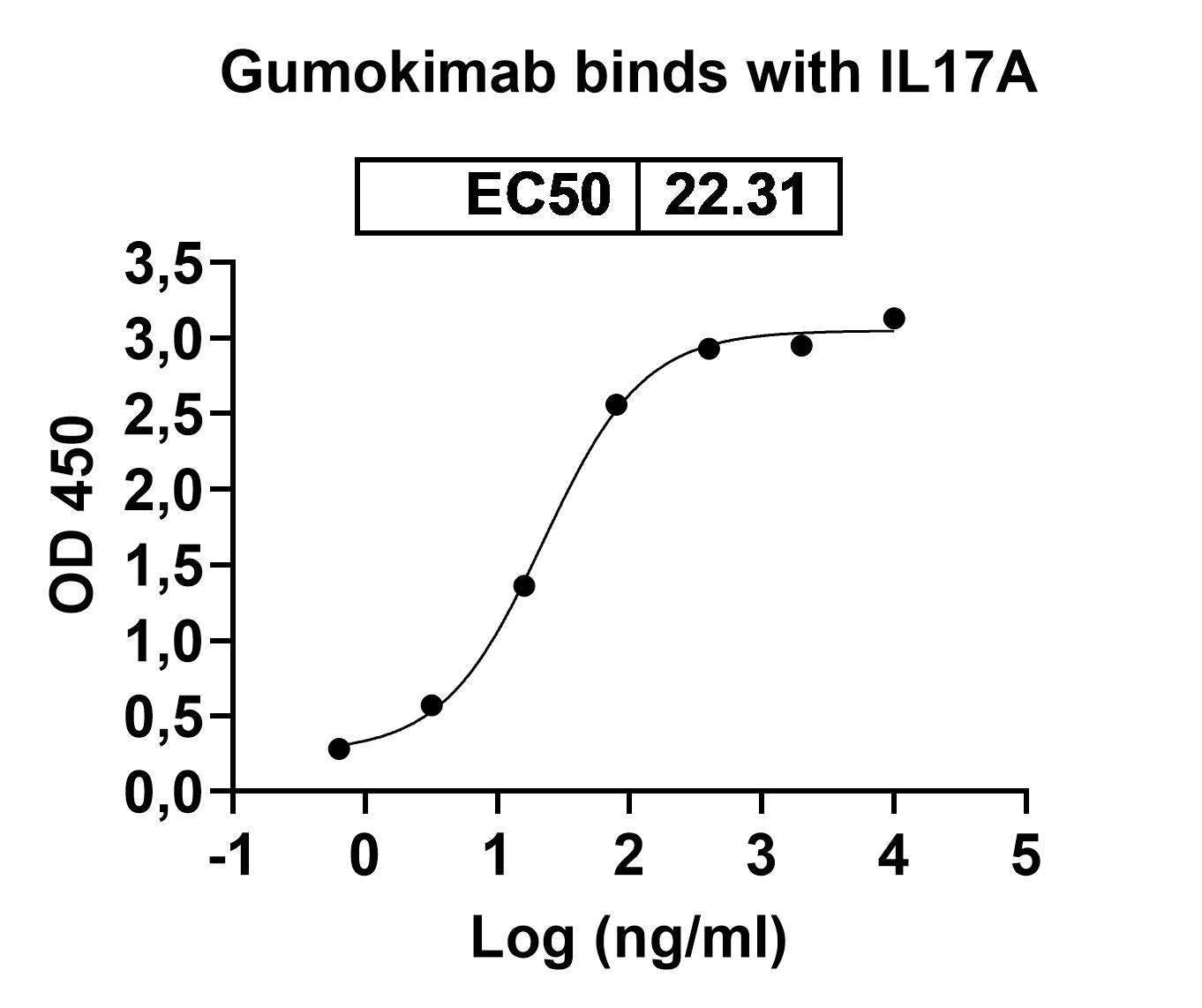
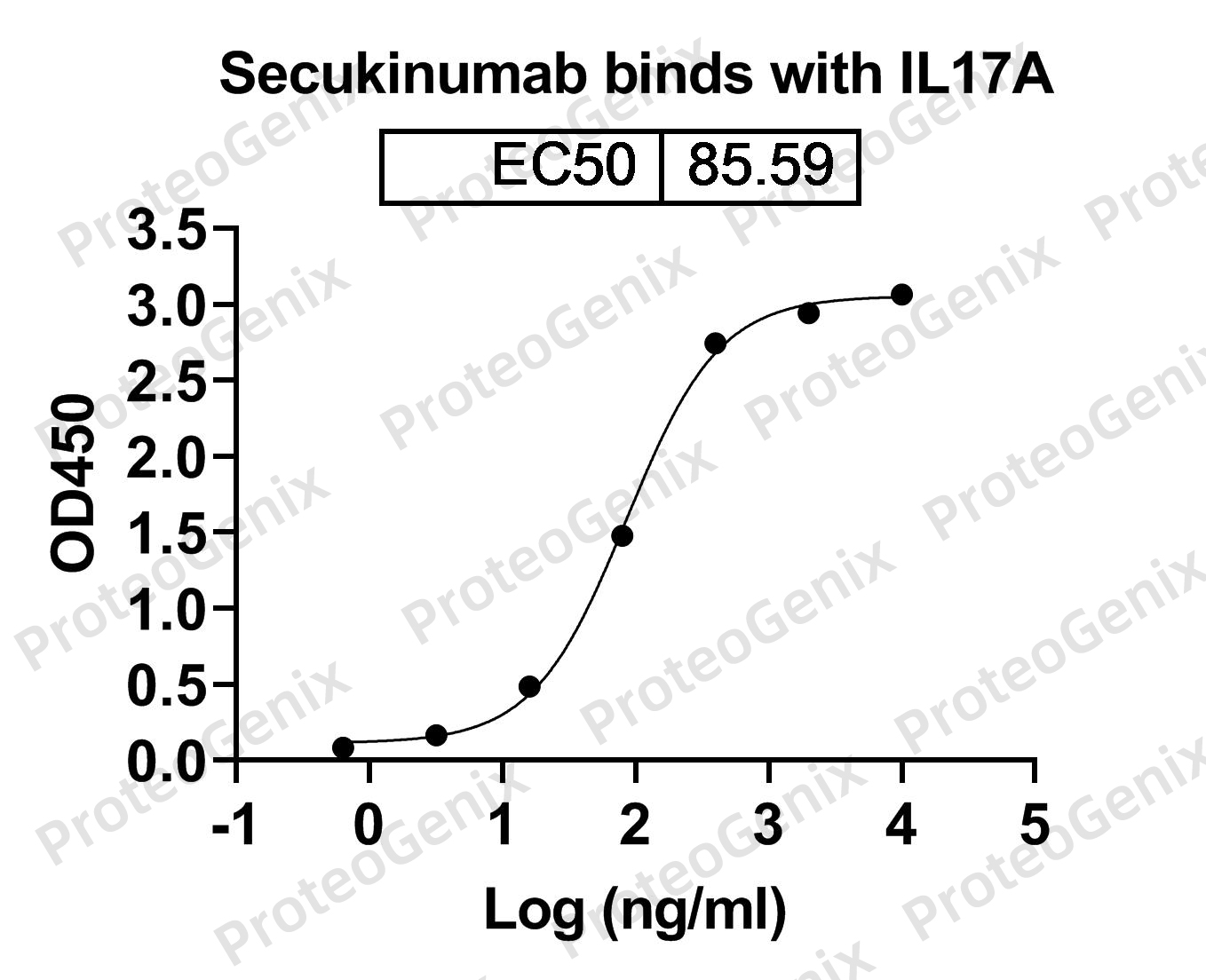
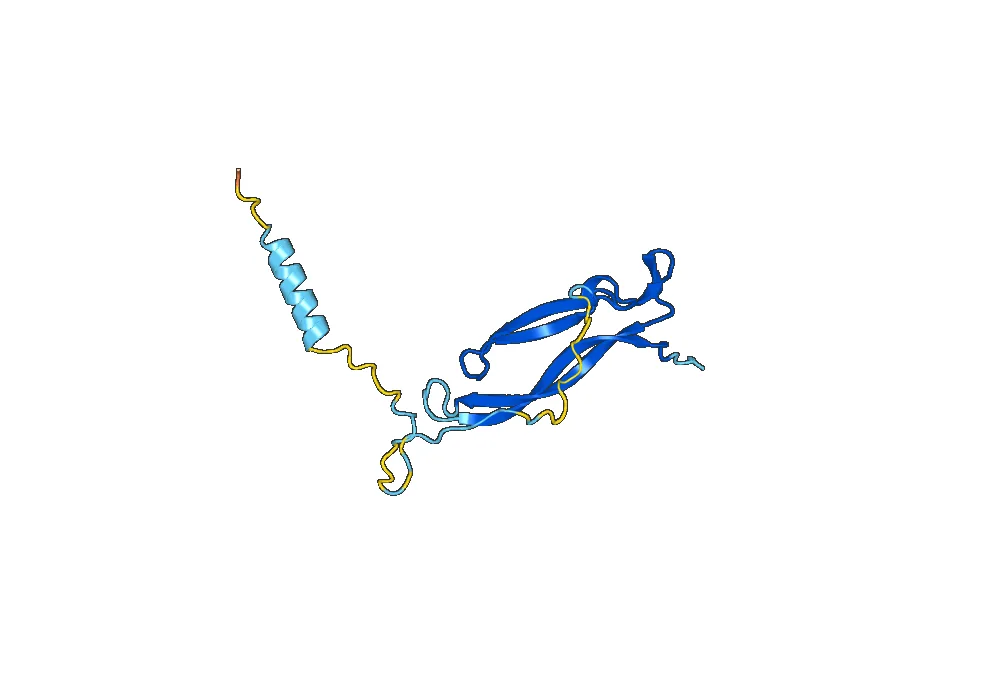
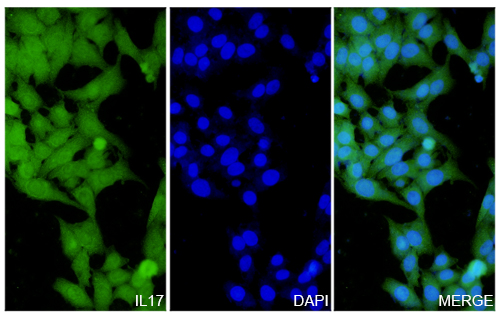
Gumokimab Biosimilar exerts its activity by binding to IL-17, a pro-inflammatory cytokine that plays a crucial role in the pathogenesis of various diseases. IL-17 is produced by a variety of immune cells, including T cells, and is involved in the recruitment and activation of other immune cells, leading to tissue inflammation. By binding to IL-17, Gumokimab Biosimilar blocks its interaction with its receptor and inhibits its downstream signaling, thereby reducing inflammation.
Therapeutic Target of Gumokimab Biosimilar
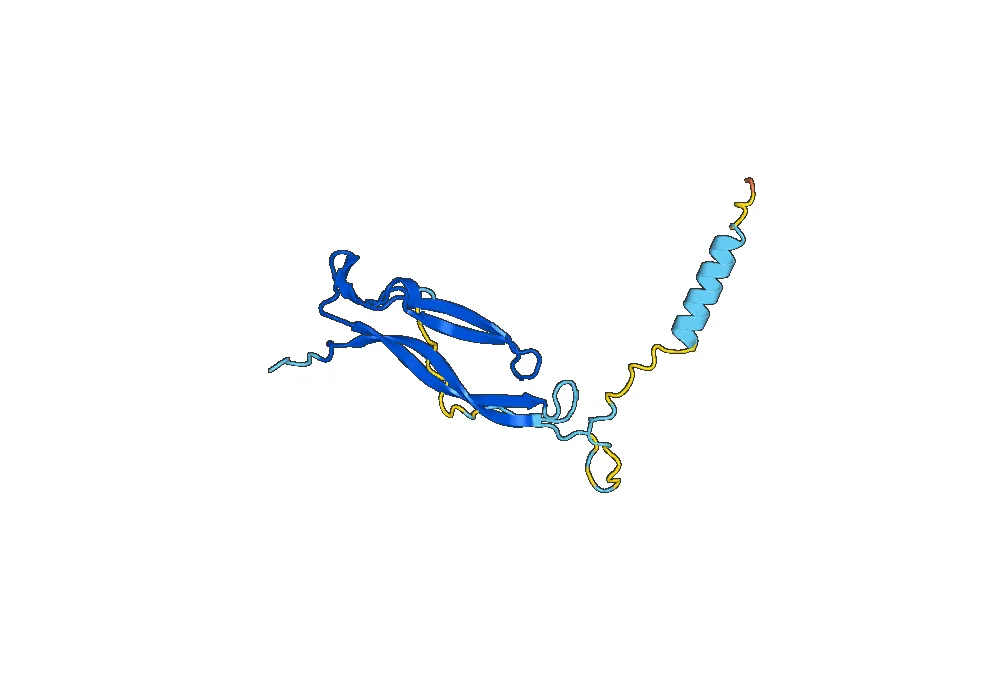
The therapeutic target of Gumokimab Biosimilar is IL-17, making it a potential treatment for diseases where IL-17 plays a significant role. These include psoriasis, psoriatic arthritis, ankylosing spondylitis, rheumatoid arthritis, and inflammatory bowel disease. IL-17 has also been implicated in other autoimmune and inflammatory conditions, such as multiple sclerosis, asthma, and lupus. Therefore, Gumokimab Biosimilar has the potential to be a valuable therapeutic option for a wide range of diseases.
Title: Applications of Gumokimab Biosimilar in Research
Gumokimab Biosimilar is currently in the research stage and is not yet approved for clinical use. However, it has shown promising results in preclinical studies and is being evaluated for its potential applications in various diseases. In addition to its potential as a therapeutic agent, Gumokimab Biosimilar can also be used in research to study the role of IL-17 in disease pathogenesis and to develop new treatment strategies.
Advantages of Gumokimab Biosimilar
As a biosimilar, Gumokimab Biosimilar offers several advantages over the original drug, Gumokimab. It is produced using recombinant DNA technology, ensuring a consistent and high-quality product. It also has a lower cost compared to the original drug, making it more accessible for researchers. Moreover, as a biosimilar, it has been shown to have comparable efficacy and safety to the original drug, making it a promising alternative for IL-17-targeted therapy.
Conclusion
In conclusion, Gumokimab Biosimilar – Anti-IL17 mAb is a promising monoclonal antibody that targets IL-17 and has the potential to be a valuable therapeutic option for various inflammatory and autoimmune diseases. Its structure, activity, and potential applications make it a valuable tool for research in understanding the role of IL-17 in disease pathogenesis and developing new treatments. With its advantages as a biosimilar, Gumokimab Biosimilar has the potential to improve patient outcomes and contribute to the advancement of IL-17-targeted therapy.
There are no reviews yet.