Introduction to Recombinant Human SSR2 Protein
Recombinant Human SSR2 Protein, also known as Signal Sequence Receptor 2, is a type of protein that plays a crucial role in protein targeting and translocation in eukaryotic cells. This protein is encoded by the SSR2 gene and is found in various tissues and organs in the human body. Recombinant Human SSR2 Protein is produced through recombinant DNA technology, making it a valuable tool in scientific research and biotechnology applications.
Structure of Recombinant Human SSR2 Protein
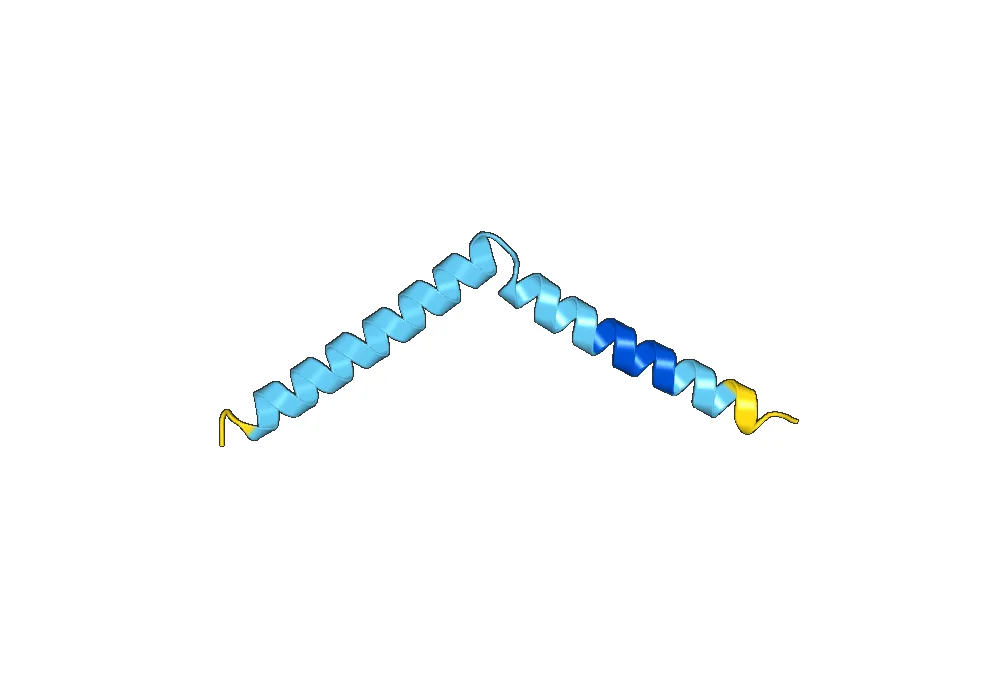
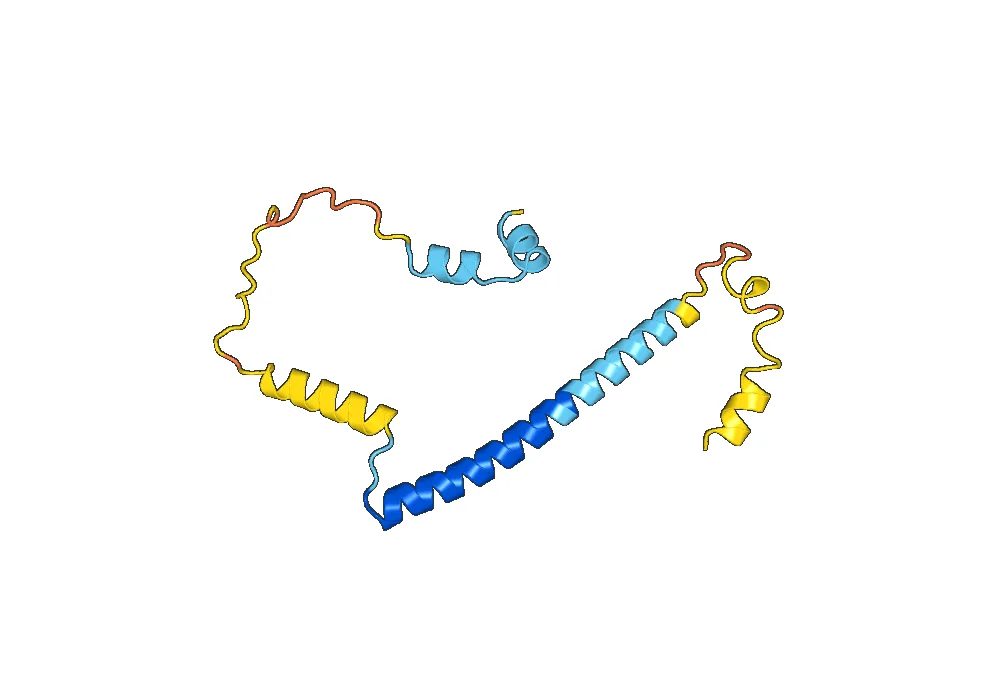
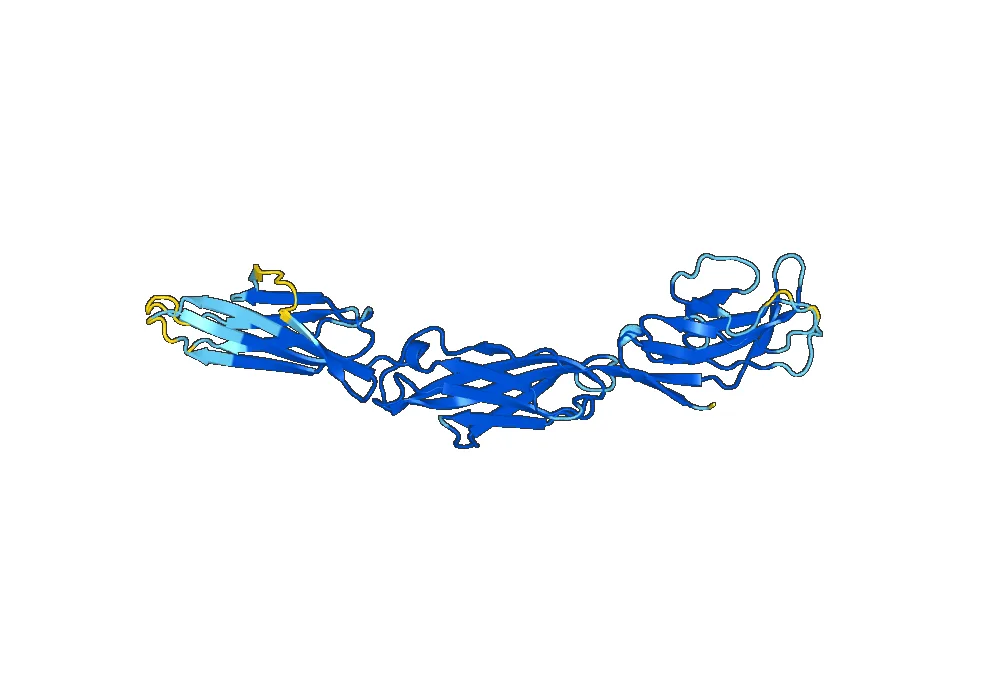
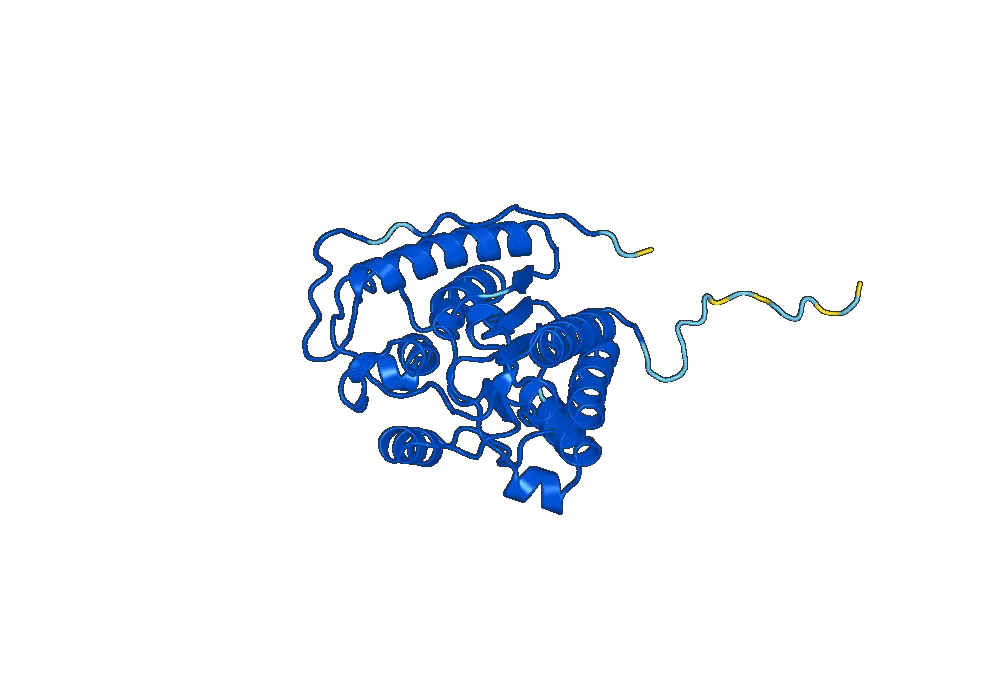
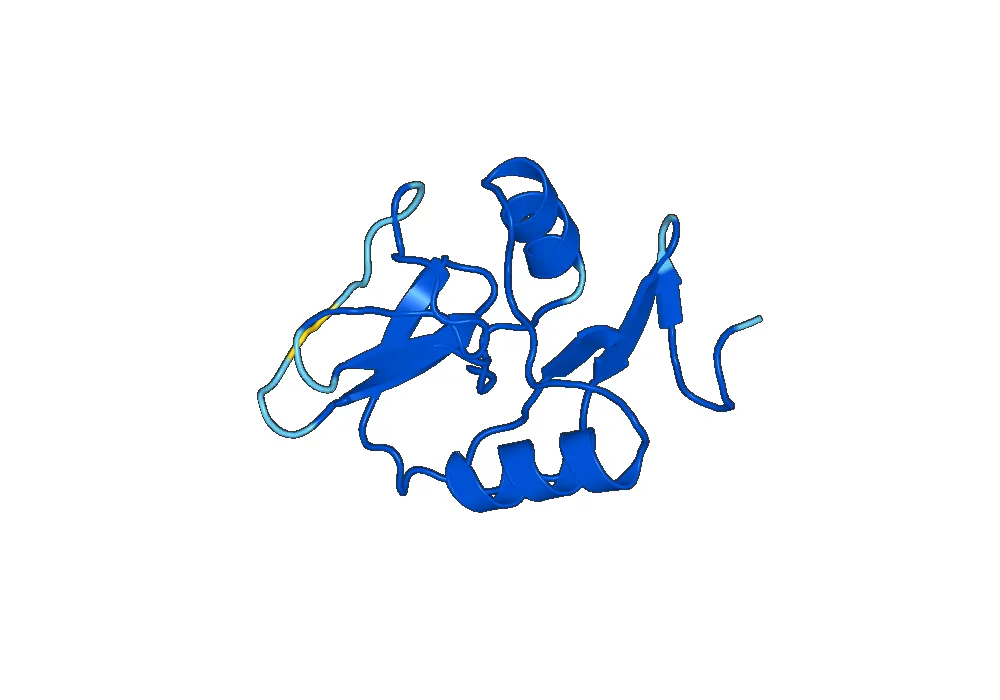
Recombinant Human SSR2 Protein is a transmembrane protein that consists of 148 amino acids. It has a molecular weight of approximately 17 kDa and is highly conserved among different species, with 98% similarity between human and mouse SSR2 proteins. The protein has a hydrophobic N-terminal signal sequence that is responsible for its insertion into the endoplasmic reticulum (ER) membrane. The remaining portion of the protein is located in the lumen of the ER.
The structure of Recombinant Human SSR2 Protein is composed of four transmembrane domains and three extracellular loops. The N-terminus of the protein faces the cytoplasm, while the C-terminus is oriented towards the ER lumen. The extracellular loops play a crucial role in protein-protein interactions and are responsible for the binding of nascent polypeptides during protein translocation.
Activity of Recombinant Human SSR2 Protein
The main function of Recombinant Human SSR2 Protein is to recognize and bind to the signal sequence of newly synthesized proteins, targeting them to the ER for translocation. This process is essential for the proper folding and modification of proteins, as well as their transport to their final destination in the cell.
Recombinant Human SSR2 Protein also plays a role in the quality control of proteins in the ER. It recognizes misfolded or damaged proteins and targets them for degradation, preventing them from reaching their intended destination and causing cellular dysfunction.
Moreover, Recombinant Human SSR2 Protein is involved in the regulation of ER stress response. It can sense and respond to changes in the ER environment, such as an increase in unfolded proteins, and activate signaling pathways to restore cellular homeostasis.
Applications of Recombinant Human SSR2 Protein
Recombinant Human SSR2 Protein has various applications in both basic research and biotechnology. Its ability to specifically bind to signal sequences makes it a valuable tool for studying protein targeting and translocation in cells. It is also used in protein expression systems to improve the efficiency of recombinant protein production.
Furthermore, Recombinant Human SSR2 Protein has potential therapeutic applications. As it plays a role in protein quality control and ER stress response, it has been studied as a potential target for the treatment of diseases caused by protein misfolding and ER stress, such as neurodegenerative disorders and metabolic diseases.
In the biotechnology industry, Recombinant Human SSR2 Protein is used in the production of recombinant proteins for pharmaceutical and industrial purposes. Its role in protein folding and modification makes it a valuable tool for improving the yield and quality of recombinant proteins.
Conclusion
Recombinant Human SSR2 Protein is a crucial protein involved in protein targeting, translocation, and quality control in eukaryotic cells. Its structure and activity make it a valuable tool in scientific research and biotechnology applications. Further studies on this protein may lead to new insights into protein folding and targeting mechanisms, as well as potential therapeutic interventions for diseases caused by protein misfolding.




There are no reviews yet.