Introduction
Recombinant Human CHRNA1 Protein, also known as the acetylcholine receptor subunit alpha, is a protein that plays a crucial role in the functioning of the neuromuscular junction. This protein is encoded by the CHRNA1 gene and is a member of the Cys-loop ligand-gated ion channel family. Recombinant Human CHRNA1 Protein has been extensively studied and has shown promising results in various applications. In this article, we will provide a detailed description of the structure, activity, and application of this protein.
Structure of Recombinant Human CHRNA1 Protein
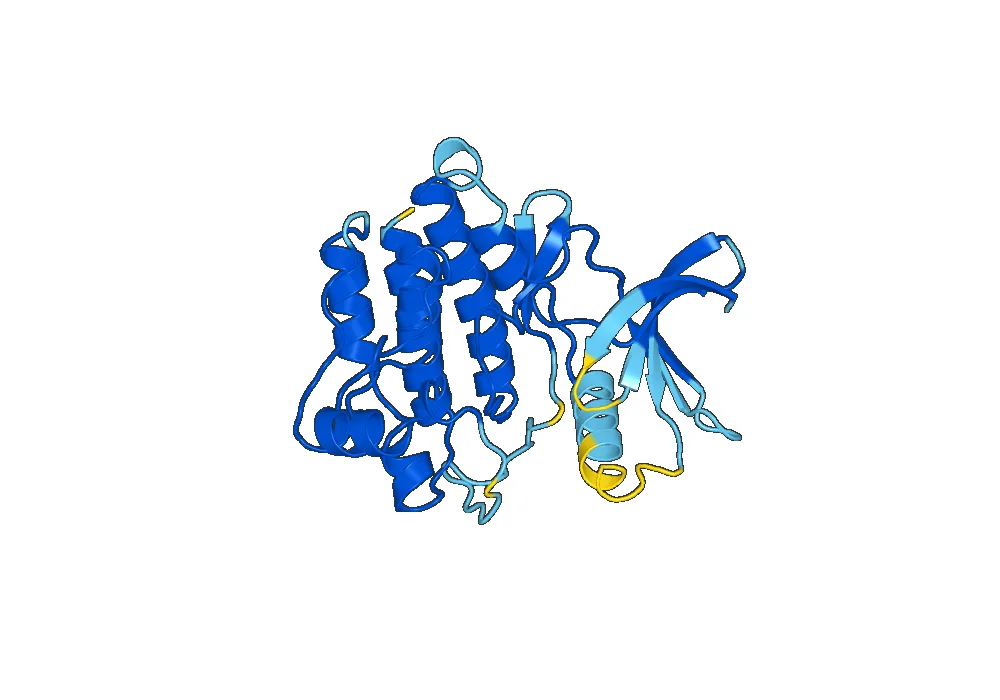
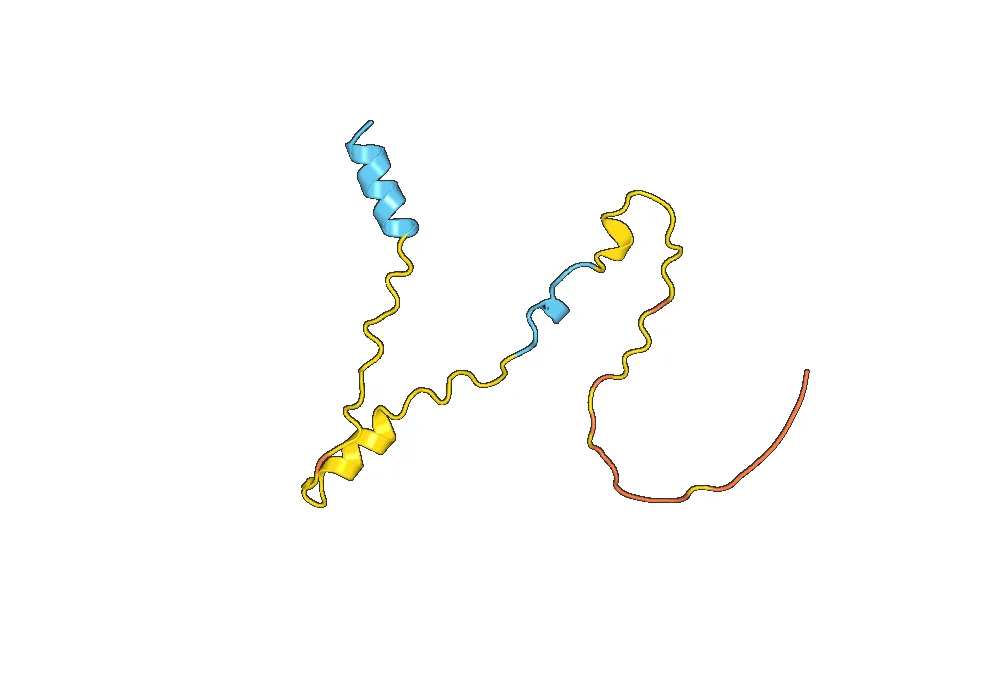
The structure of Recombinant Human CHRNA1 Protein consists of five subunits, with each subunit containing four transmembrane domains. These subunits come together to form a pentameric structure, which is essential for the functioning of the protein. The N-terminus of each subunit forms the extracellular domain, while the C-terminus forms the intracellular domain. The extracellular domain is responsible for binding to the neurotransmitter acetylcholine, while the intracellular domain is responsible for the activation of the ion channel.
The structure of Recombinant Human CHRNA1 Protein is highly conserved among different species, indicating its importance in biological processes. It has been shown that mutations in the CHRNA1 gene can lead to various neuromuscular disorders, highlighting the significance of this protein in maintaining proper neuromuscular function.
Activity of Recombinant Human CHRNA1 Protein
The primary function of Recombinant Human CHRNA1 Protein is to act as a ligand-gated ion channel. When acetylcholine binds to the extracellular domain of the protein, a conformational change occurs, leading to the opening of the ion channel. This allows the influx of cations, such as sodium and potassium, into the cell, resulting in the depolarization of the membrane. This process is essential for the transmission of nerve impulses at the neuromuscular junction.
In addition to its role in neuromuscular function, Recombinant Human CHRNA1 Protein has also been shown to play a role in various other biological processes. Studies have found that this protein is involved in the regulation of neuronal development, synaptic plasticity, and cognitive functions. It has also been shown to have anti-inflammatory properties, making it a potential therapeutic target for inflammatory diseases.
Application of Recombinant Human CHRNA1 Protein
Recombinant Human CHRNA1 Protein has a wide range of applications in various fields of research and medicine. One of the most significant applications of this protein is in the study of neuromuscular disorders. Mutations in the CHRNA1 gene have been linked to various neuromuscular disorders, including congenital myasthenic syndromes and myasthenia gravis. Recombinant Human CHRNA1 Protein can be used to study the effects of these mutations and develop potential treatments for these disorders.
Another important application of Recombinant Human CHRNA1 Protein is in drug discovery. As this protein plays a crucial role in neuromuscular function, it has been identified as a potential drug target for various neurological disorders. Researchers are currently investigating the use of Recombinant Human CHRNA1 Protein in developing drugs for conditions such as Alzheimer’s disease, Parkinson’s disease, and epilepsy.
Furthermore, Recombinant Human CHRNA1 Protein has been used in various in vitro and in vivo studies to understand its role in different biological processes. It has also been used in the production of monoclonal antibodies for diagnostic and therapeutic purposes. The use of this protein in these applications has provided valuable insights into its structure and function, leading to a better understanding of its role in various biological processes.
Conclusion
In conclusion, Recombinant Human CHRNA1 Protein is a crucial protein that plays a vital role in neuromuscular



There are no reviews yet.