It looks like you are visiting from outside the EU. Switch to the US version to see local pricing in USD and local shipping.

Switch to US ($)

Get 25% off your first bioreagent online order — use code: PROTEOSHOP25

Brand: ProteoGenix

Recombinant Human SLC22A5 Protein, N-His-SUMO

Host species:
Escherichia coli (E.coli)
Origin species:
Human
Uniprot ID:
O76082
Molecular weight:
23.51 kDa

Original price was: €424.00.Current price is: €329.00.

100ug 22% OFF + 329 loyalty points
Thr45–Lys141
Size
  • In Stock
  • Free shipping in EU on orders > €500
  • Wide range of unique reagents
  • Fast worldwide delivery

Recombinant Human SLC22A5 Protein, N-His-SUMO

Product name ARO-P12048-100
Uniprot ID O76082
Origin species Human
Expression system Prokaryotic expression
Raw Antigen Sequence TPEHRCRVPDAANLSSAWRNHTVPLRLRDGREVPHSCRRYRLATIANFSALGLEPGRDVDLGQLEQESCLDGWEFSQDVYLSTIVTEWNLVCEDDWK
Molecular weight 23.51 kDa
Buffer Lyophilized from a solution in PBS pH 7.4, 0.02% NLS, 1mM EDTA, 4% Trehalose, 1% Mannitol.
Delivery condition Dry Ice
Delivery lead time in business days 3-5 days if in stock; 3-5 weeks if production needed
Storage condition 4°C for short term (1 week), -20°C or -80°C for long term (avoid freezing/thawing cycles; addition of 20-40% glycerol improves cryoprotection)
Brand ProteoGenix
Host species Escherichia coli (E.coli)
Fragment Type Thr45-Lys141
Aliases /Synonyms SLC22A5, Organic cation/carnitine transporter 2, High-affinity sodium-dependent carnitine cotransporter, OCTN2, Solute carrier family 22 member 5
Reference ARO-P12048
Note For research use only.
Molecular Constructor
Thr45–Lys141
Product name ARO-P12048-1MG
Uniprot ID O76082
Origin species Human
Expression system Prokaryotic expression
Raw Antigen Sequence TPEHRCRVPDAANLSSAWRNHTVPLRLRDGREVPHSCRRYRLATIANFSALGLEPGRDVDLGQLEQESCLDGWEFSQDVYLSTIVTEWNLVCEDDWK
Molecular weight 23.51 kDa
Buffer Lyophilized from a solution in PBS pH 7.4, 0.02% NLS, 1mM EDTA, 4% Trehalose, 1% Mannitol.
Delivery condition Dry Ice
Delivery lead time in business days 3-5 days if in stock; 3-5 weeks if production needed
Storage condition 4°C for short term (1 week), -20°C or -80°C for long term (avoid freezing/thawing cycles; addition of 20-40% glycerol improves cryoprotection)
Brand ProteoGenix
Host species Escherichia coli (E.coli)
Fragment Type Thr45-Lys141
Aliases /Synonyms SLC22A5, Organic cation/carnitine transporter 2, High-affinity sodium-dependent carnitine cotransporter, OCTN2, Solute carrier family 22 member 5
Reference ARO-P12048
Note For research use only.
Molecular Constructor
Thr45–Lys141
Product name ARO-P12048-50
Uniprot ID O76082
Origin species Human
Expression system Prokaryotic expression
Raw Antigen Sequence TPEHRCRVPDAANLSSAWRNHTVPLRLRDGREVPHSCRRYRLATIANFSALGLEPGRDVDLGQLEQESCLDGWEFSQDVYLSTIVTEWNLVCEDDWK
Molecular weight 23.51 kDa
Buffer Lyophilized from a solution in PBS pH 7.4, 0.02% NLS, 1mM EDTA, 4% Trehalose, 1% Mannitol.
Delivery condition Dry Ice
Delivery lead time in business days 3-5 days if in stock; 3-5 weeks if production needed
Storage condition 4°C for short term (1 week), -20°C or -80°C for long term (avoid freezing/thawing cycles; addition of 20-40% glycerol improves cryoprotection)
Brand ProteoGenix
Host species Escherichia coli (E.coli)
Fragment Type Thr45-Lys141
Aliases /Synonyms SLC22A5, Organic cation/carnitine transporter 2, High-affinity sodium-dependent carnitine cotransporter, OCTN2, Solute carrier family 22 member 5
Reference ARO-P12048
Note For research use only.
Molecular Constructor
Thr45–Lys141

Introduction

Recombinant Human SLC22A5 Protein, also known as Organic Cation Transporter 2 (OCT2), is a transmembrane protein that is encoded by the SLC22A5 gene. It belongs to the solute carrier family of proteins and plays a crucial role in the transportation of organic cations across cell membranes. This protein has been extensively studied for its structure, activity, and potential applications in various fields of research.

Structure of Recombinant Human SLC22A5 Protein

The human SLC22A5 gene is located on chromosome 5 and consists of 11 exons, which encode for a protein of 555 amino acids. The protein has a predicted molecular weight of 61.5 kDa and contains 12 transmembrane domains, with both the N- and C-termini located in the cytoplasm. The structure of the protein is highly conserved among different species, with a sequence identity of 98% between human and mouse OCT2.

Activity of Recombinant Human SLC22A5 Protein

Recombinant Human SLC22A5 Protein is primarily involved in the transport of organic cations, including endogenous molecules such as dopamine, serotonin, and choline, as well as exogenous compounds like metformin and cimetidine. This transport is facilitated by the electrochemical gradient across the cell membrane, with the protein acting as a secondary active transporter.

Studies have shown that OCT2 is highly expressed in the kidney, liver, and brain, with lower levels in other tissues such as the heart, lung, and skeletal muscle. It is predominantly localized on the basolateral membrane of epithelial cells, where it plays a crucial role in the uptake and elimination of organic cations from the body.

Applications of Recombinant Human SLC22A5 Protein

Recombinant Human SLC22A5 Protein has been extensively studied for its potential applications in various fields, including pharmacology, toxicology, and oncology.

In pharmacology, OCT2 is a major determinant of the renal clearance of many drugs, making it a crucial target for drug-drug interactions. Studies have shown that genetic variations in the SLC22A5 gene can affect the activity of OCT2 and alter the pharmacokinetics of drugs, leading to adverse drug reactions. Therefore, recombinant OCT2 protein is used in drug screening assays to identify potential drug interactions and improve drug safety.

In toxicology, OCT2 plays a vital role in the elimination of environmental toxins and drugs from the body. The protein is highly expressed in the kidney, which is the primary organ responsible for the excretion of toxic compounds. Recombinant Human SLC22A5 Protein is used in toxicology studies to understand the mechanisms of drug-induced nephrotoxicity and to identify potential nephrotoxic compounds.

In oncology, OCT2 has been identified as a potential therapeutic target for the treatment of cancer. Studies have shown that OCT2 is overexpressed in certain types of cancer, including breast, prostate, and pancreatic cancer. Recombinant Human SLC22A5 Protein is used in cancer research to study the role of OCT2 in tumor growth and to develop novel therapies that target OCT2.

Conclusion

Recombinant Human SLC22A5 Protein, also known as Organic Cation Transporter 2, is a transmembrane protein that plays a crucial role in the transport of organic cations across cell membranes. It is highly conserved among different species and is predominantly expressed in the kidney, liver, and brain. The protein has various applications in pharmacology, toxicology, and oncology, making it a valuable tool for research in these fields. Further studies on the structure and activity of OCT2 will provide a better understanding of its role in health and disease and may lead to the development of new treatments for various disorders.
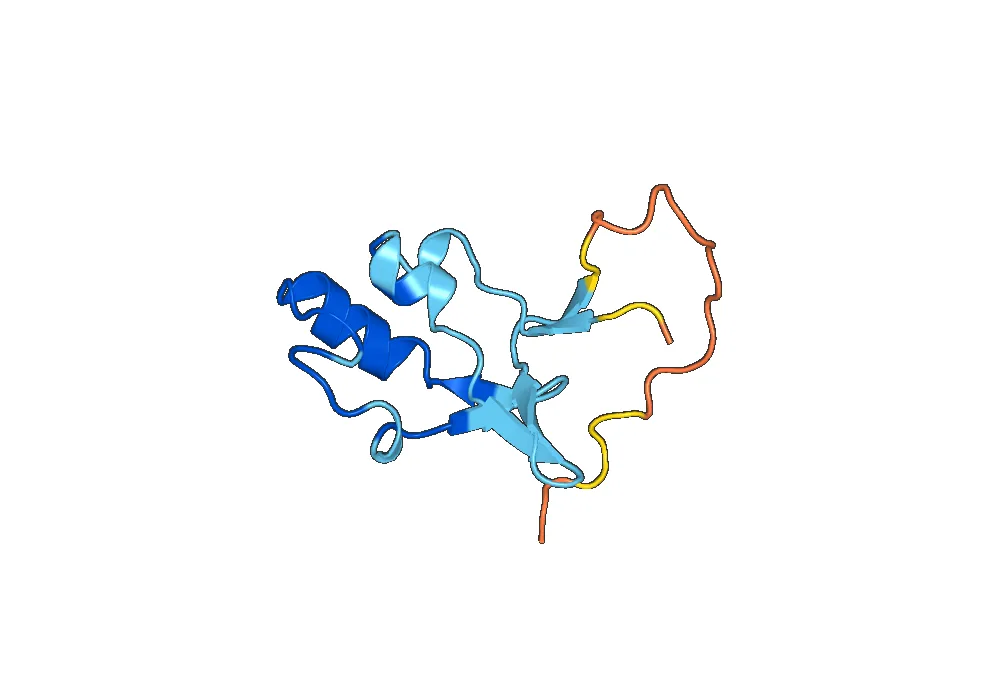

Recombinant Human SLC22A5 Protein, N-His-SUMO

There are no reviews yet.

Be the first to review “Recombinant Human SLC22A5 Protein, N-His-SUMO”

Your email address will not be published. Required fields are marked *

Related products

Recently viewed products

Loading recently viewed products…

Can’t find what you need?

Our catalog doesn’t cover everything — but our team does. Whether you need a custom antibody, a specific protein variant, or a bulk order, our scientists are here to help.

Contact Our Team Book a Call

Cart (0 Items)

Your cart is currently empty.

View Products