Introduction
Recombinant Human RBM39 Protein, also known as RNA binding motif protein 39, is a protein that is encoded by the RBM39 gene in humans. This protein is a member of the RNA recognition motif (RRM) family and is involved in various cellular processes such as RNA splicing, transcription, and translation. In this article, we will discuss the structure, activity, and applications of Recombinant Human RBM39 Protein.
Structure of Recombinant Human RBM39 Protein
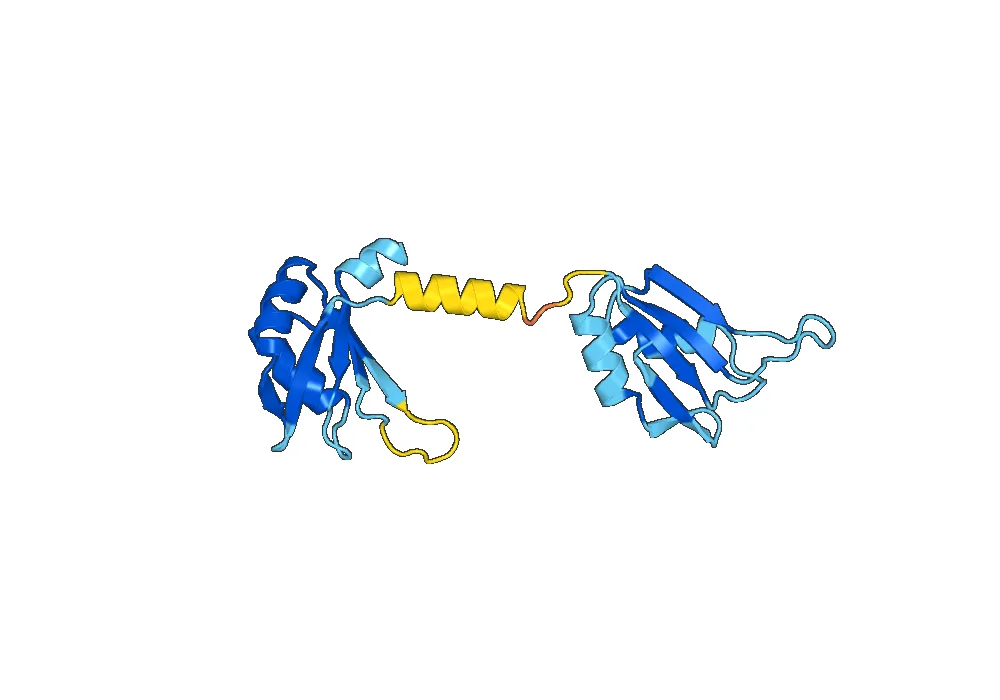
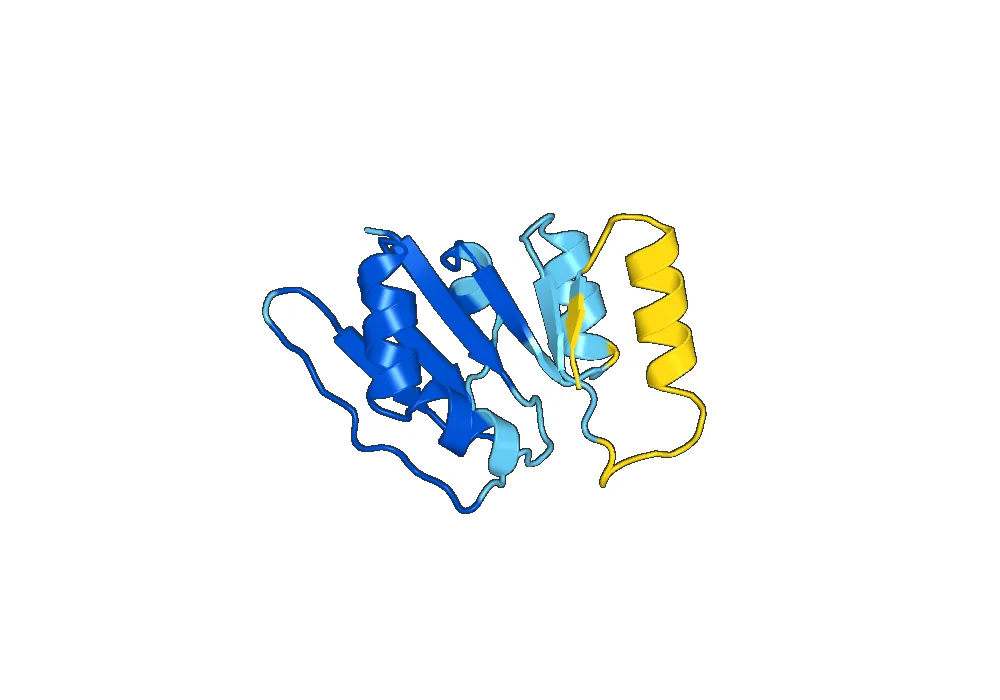
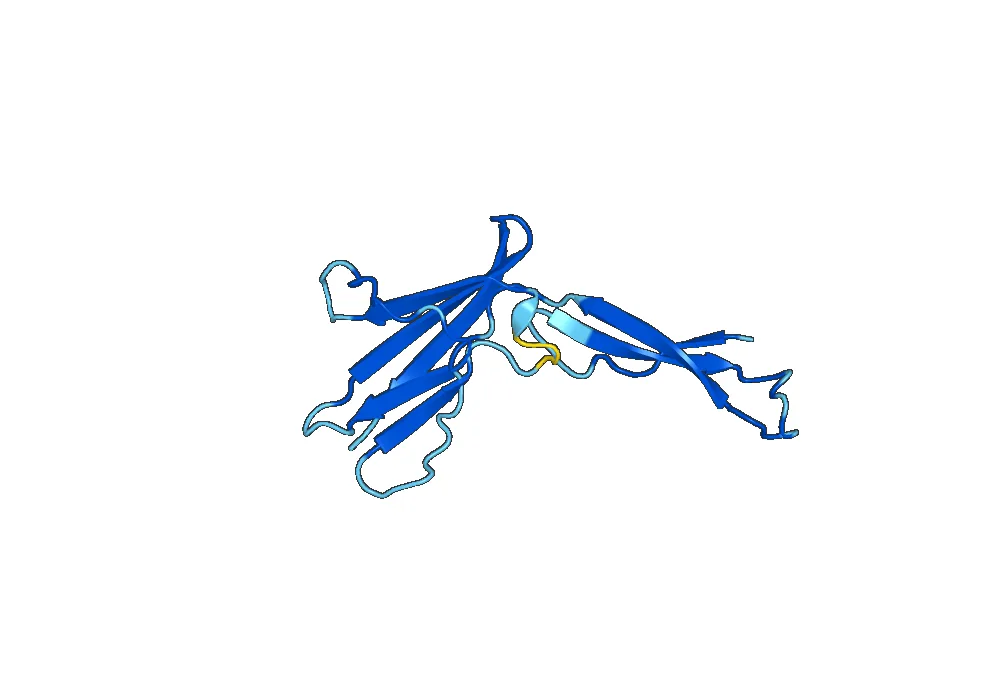
Recombinant Human RBM39 Protein is composed of 356 amino acids and has a molecular weight of approximately 40 kDa. It contains a single RNA recognition motif (RRM) domain, which is responsible for binding to RNA molecules. The RRM domain is a conserved structural motif that is found in many RNA-binding proteins and is involved in various RNA-related processes.
In addition to the RRM domain, Recombinant Human RBM39 Protein also contains a nuclear localization signal (NLS) and a nuclear export signal (NES). These signals allow the protein to shuttle between the nucleus and the cytoplasm, where it plays a role in regulating gene expression.
Activity of Recombinant Human RBM39 Protein
Recombinant Human RBM39 Protein is primarily involved in RNA splicing, which is the process of removing introns from pre-mRNA molecules to produce mature mRNA. It does this by binding to specific RNA sequences and recruiting other splicing factors to form a spliceosome complex. This complex then catalyzes the splicing reaction, resulting in the removal of introns and the joining of exons to produce mature mRNA.
In addition to its role in RNA splicing, Recombinant Human RBM39 Protein also plays a role in transcription and translation. It has been shown to interact with other proteins involved in these processes, such as RNA polymerase II and ribosomal proteins. This suggests that Recombinant Human RBM39 Protein may also be involved in regulating gene expression at the transcriptional and translational levels.
Applications of Recombinant Human RBM39 Protein
Due to its involvement in RNA-related processes, Recombinant Human RBM39 Protein has several potential applications in the field of molecular biology. One of its main applications is in the study of RNA splicing. By using recombinant RBM39 protein, researchers can investigate the role of this protein in splicing and its interactions with other splicing factors.
Recombinant Human RBM39 Protein can also be used in the development of new therapies for diseases that are caused by defects in RNA splicing. For example, mutations in the RBM39 gene have been linked to certain types of leukemia. By understanding the role of RBM39 protein in splicing, researchers may be able to develop targeted therapies to treat these diseases.
Furthermore, Recombinant Human RBM39 Protein has potential applications in the biotechnology industry. It can be used in the production of recombinant proteins, as it has been shown to interact with ribosomal proteins and enhance translation efficiency. This could be particularly useful in the production of difficult-to-express proteins.
Conclusion
In summary, Recombinant Human RBM39 Protein is a versatile protein that plays a crucial role in RNA-related processes. Its structure, activity, and potential applications make it a valuable tool for researchers in the fields of molecular biology and biotechnology. Further studies on this protein may lead to a better understanding of its functions and potential therapeutic applications.




There are no reviews yet.