Introduction to Recombinant Human ALG13 Protein
Recombinant proteins are proteins that are produced through genetic engineering techniques, where the gene for a particular protein is inserted into a host organism, such as bacteria or yeast, and then expressed and purified for use in various applications. One such recombinant protein is the Recombinant Human ALG13 Protein, which plays a crucial role in protein glycosylation and has various applications in the fields of biotechnology and medicine.
Structure of Recombinant Human ALG13 Protein
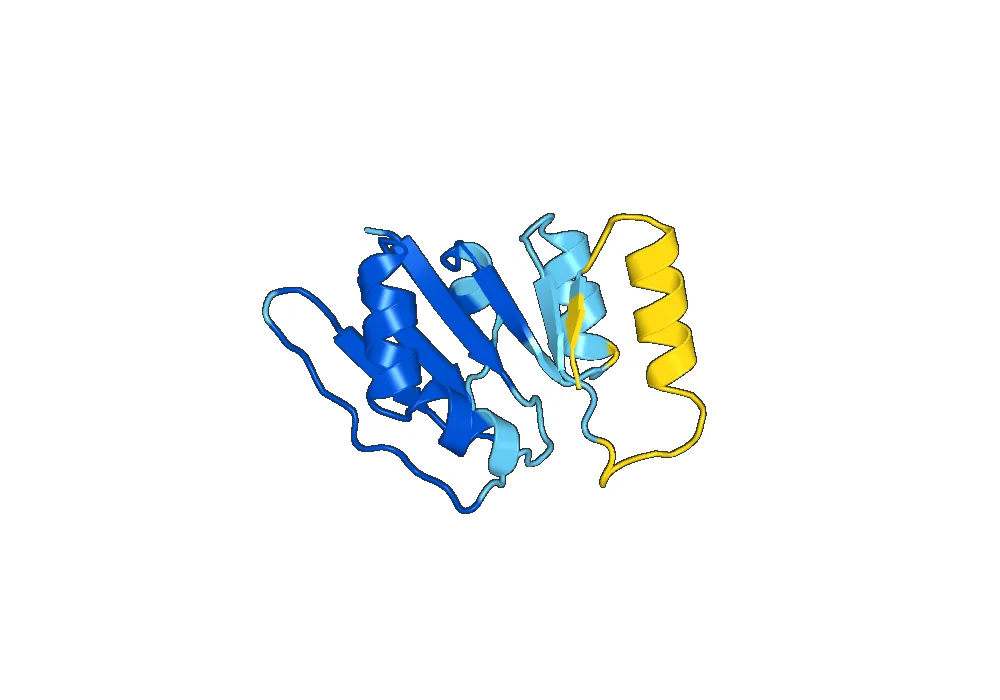
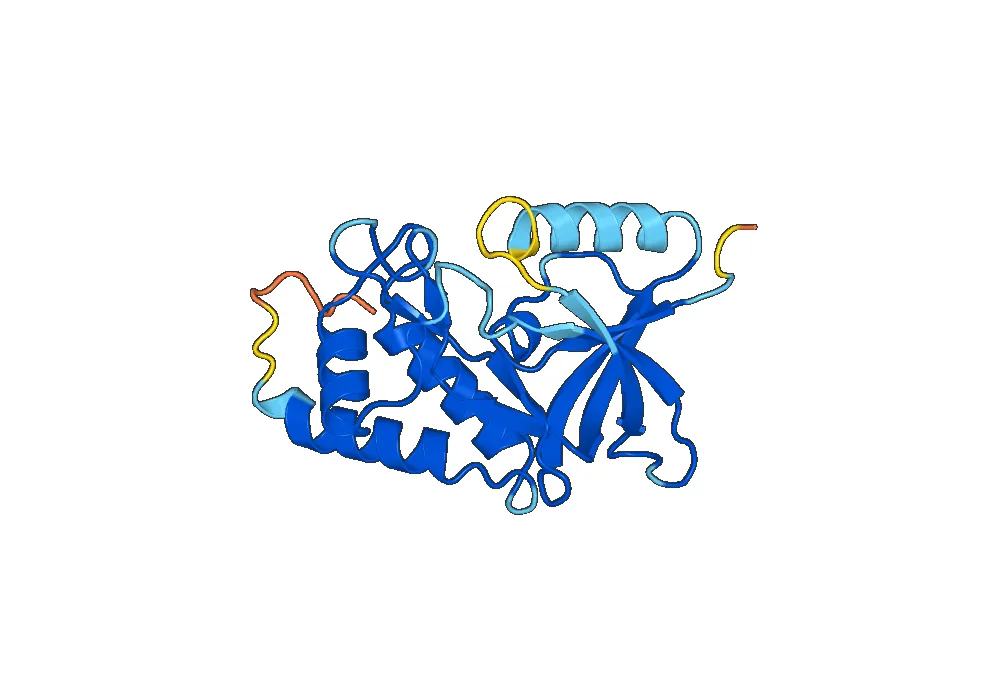
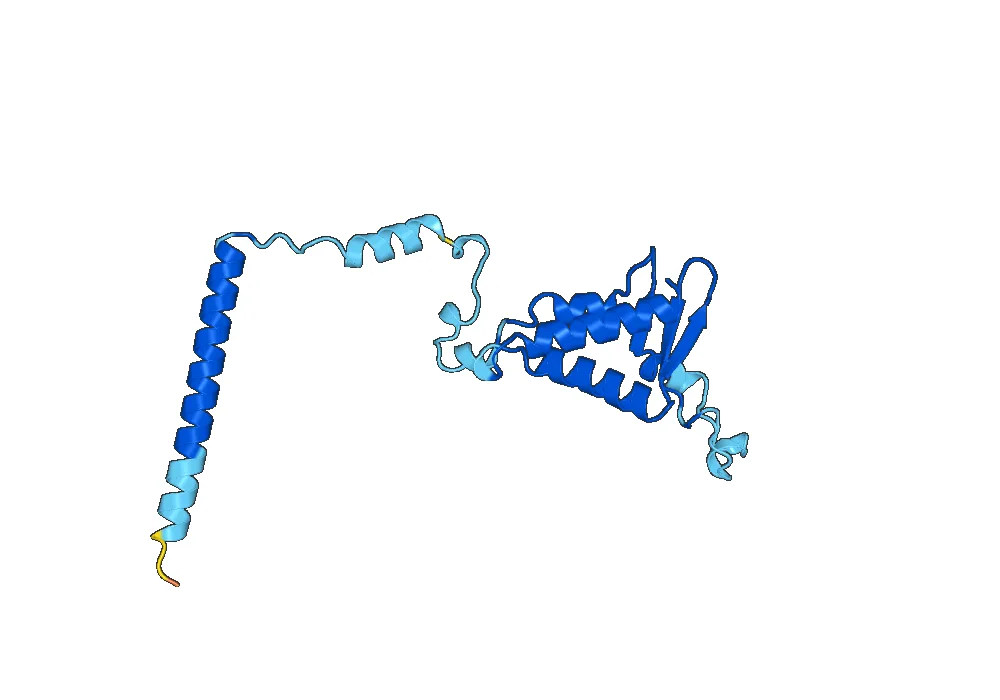
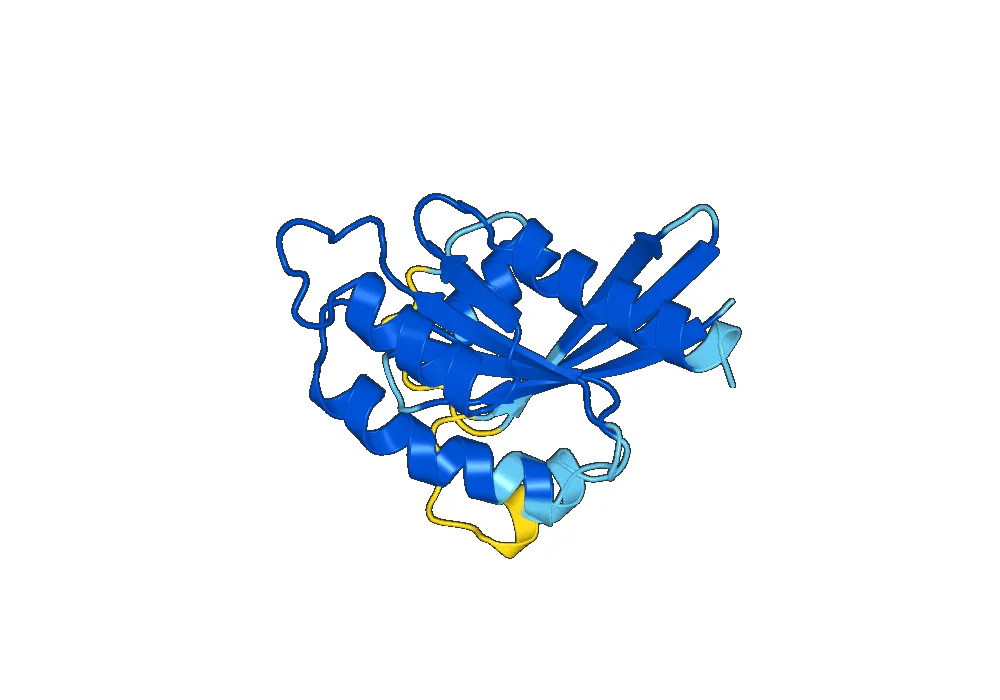
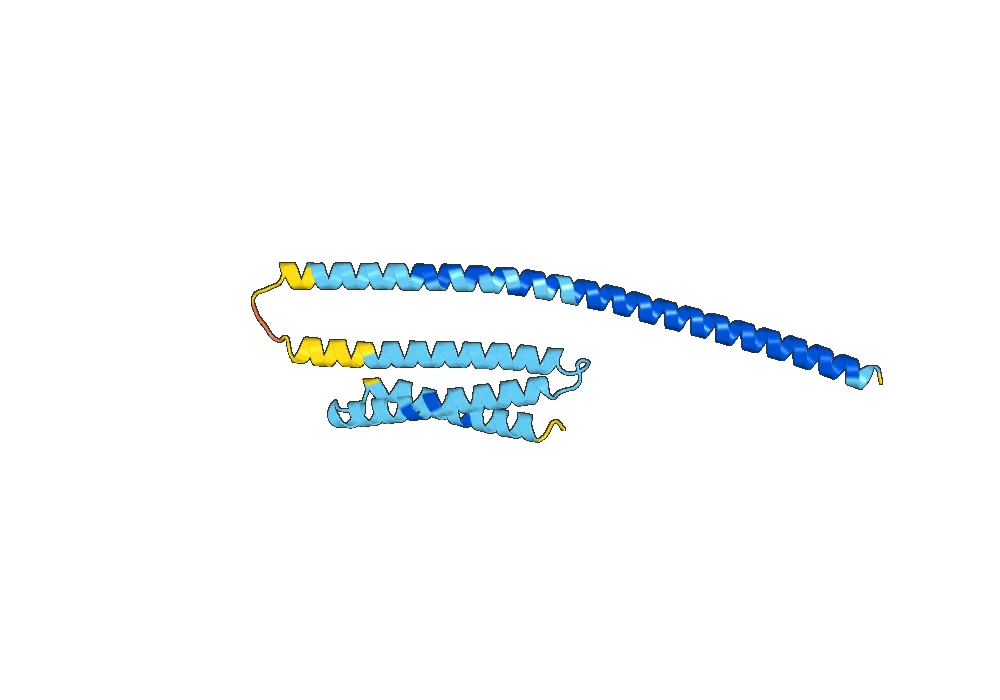
The gene for ALG13 is located on chromosome 17 and codes for a protein with a molecular weight of approximately 41 kDa. The protein consists of 395 amino acids and has a predicted N-terminal transmembrane domain. The crystal structure of Recombinant Human ALG13 Protein has been determined, revealing a homodimeric structure with each monomer consisting of an N-terminal domain and a C-terminal catalytic domain. The N-terminal domain is responsible for binding to its substrate, while the catalytic domain is responsible for the transfer of the sugar moiety onto the substrate.
Activity of Recombinant Human ALG13 Protein
Recombinant Human ALG13 Protein is a member of the ALG13/ALG14 family of glycosyltransferases and is involved in the addition of a glucose moiety to the growing glycan chain during protein glycosylation. This process is essential for the proper folding and function of many proteins, including enzymes, hormones, and cell surface receptors. The activity of ALG13 is dependent on the presence of its co-factor, ALG14, which acts as a scaffolding protein and helps in the correct positioning of the substrate for the transfer of the glucose moiety.
Defects in the activity of ALG13 have been linked to various human diseases, such as congenital disorders of glycosylation (CDG), which are characterized by abnormal protein glycosylation and can lead to severe developmental and neurological abnormalities. Therefore, the use of Recombinant Human ALG13 Protein in research and therapeutic applications can provide valuable insights into the role of this protein in the development and progression of these diseases.
Applications of Recombinant Human ALG13 Protein
Recombinant Human ALG13 Protein has various applications in the fields of biotechnology and medicine. One of the major applications is in the production of glycoproteins for therapeutic purposes. Glycoproteins are proteins that have sugar molecules attached to them, and their production often requires the addition of specific sugar moieties at specific sites. Recombinant Human ALG13 Protein can be used to add the necessary glucose moiety to the glycan chain during the production of glycoproteins, ensuring their proper folding and function.
In addition, Recombinant Human ALG13 Protein can also be used in the development of diagnostic tools for CDG and other glycosylation disorders. The protein can be used as an antigen in immunoassays to detect the presence of antibodies against ALG13, which can serve as a biomarker for these diseases. Furthermore, the use of Recombinant Human ALG13 Protein in research can help in understanding the mechanisms underlying protein glycosylation and its role in various diseases, leading to the development of potential therapeutic strategies.
Conclusion
Recombinant Human ALG13 Protein is a crucial protein involved in protein glycosylation and has various applications in biotechnology and medicine. Its structure, activity, and role in disease make it a valuable tool for research and therapeutic purposes. With further studies and advancements in technology, Recombinant Human ALG13 Protein has the potential to contribute to the development of novel treatments for glycosylation disorders and other diseases related to protein glycosylation.


There are no reviews yet.