Introduction to Recombinant Human RMI1 Protein
Recombinant Human RMI1 Protein, also known as RecQ-mediated genome instability 1 protein, is a highly conserved protein that plays a crucial role in maintaining genome stability and integrity. It is a 39-kDa protein that is encoded by the RMI1 gene located on chromosome 8 in humans. This protein is a component of the BLM-RMI1-TopoIIIα (BTR) complex, which is involved in the resolution of DNA structures during DNA replication and repair processes.
Structure of Recombinant Human RMI1 Protein
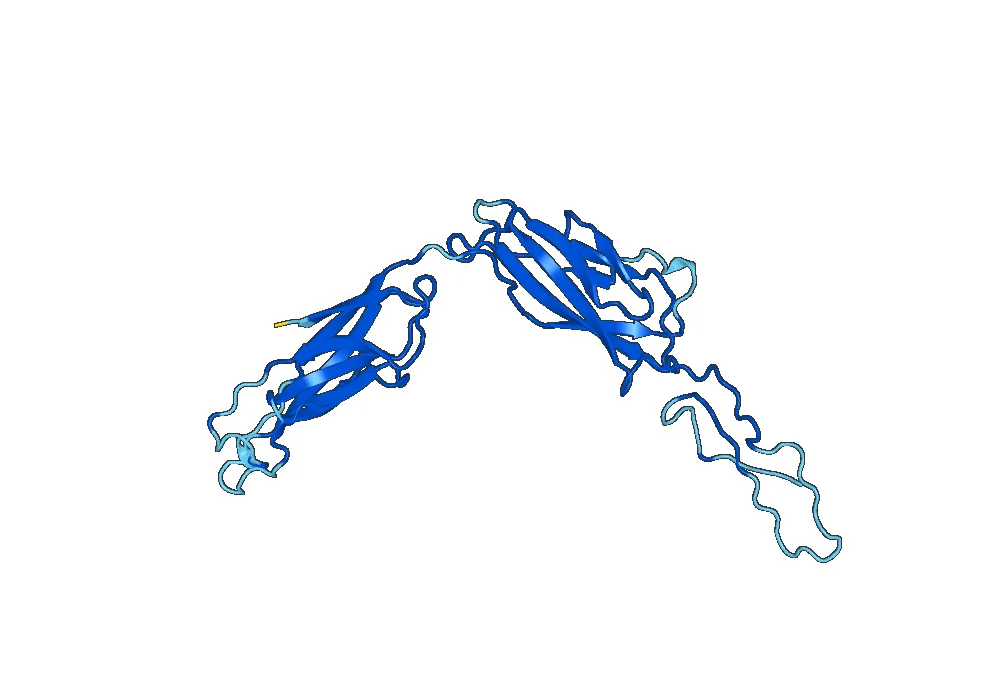
The Recombinant Human RMI1 Protein is composed of 349 amino acids and has a predicted molecular weight of 39 kDa. It contains a conserved N-terminal domain and a C-terminal domain that are connected by a flexible linker region. The N-terminal domain is responsible for binding to the BLM protein, while the C-terminal domain interacts with the TopoIIIα protein. The flexible linker region is essential for the proper functioning of the BTR complex.
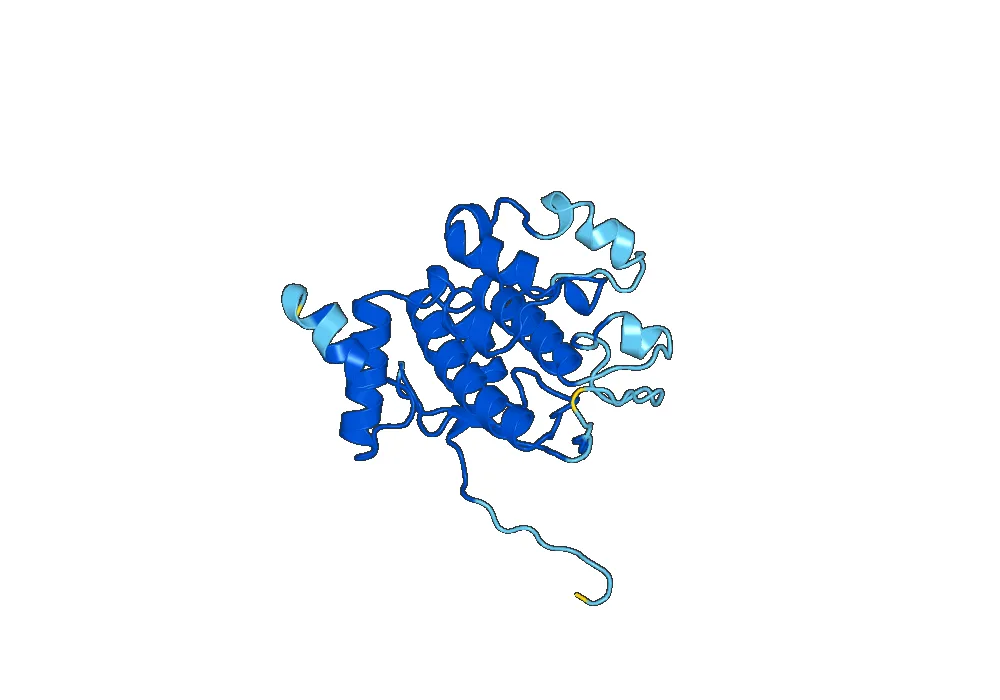
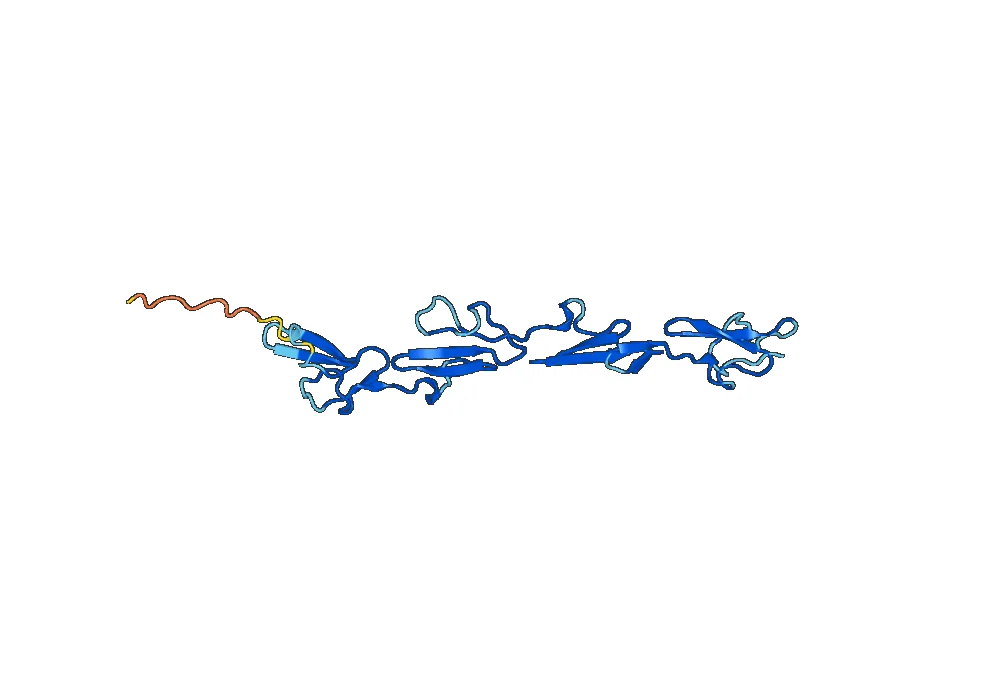
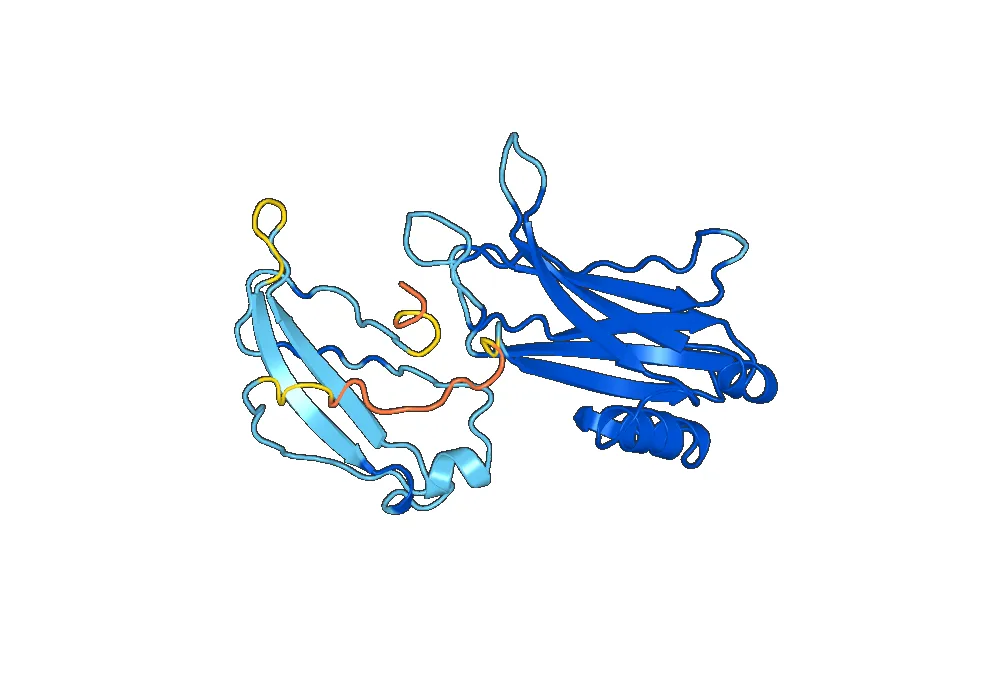
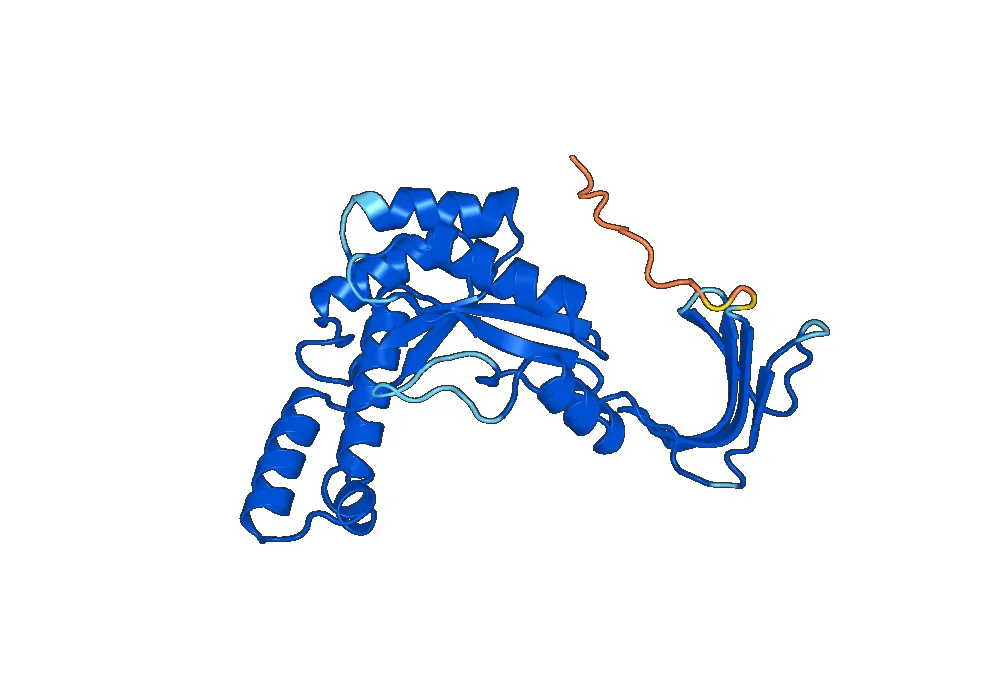
The crystal structure of Recombinant Human RMI1 Protein has been determined, revealing a unique fold with two helical domains connected by a long loop. The N-terminal domain contains a four-helix bundle, while the C-terminal domain is composed of three helices. The structure of Recombinant Human RMI1 Protein is highly conserved across different species, indicating its crucial role in maintaining genome stability.
Activity of Recombinant Human RMI1 Protein
Recombinant Human RMI1 Protein is involved in various cellular processes, including DNA replication, DNA repair, and telomere maintenance. It interacts with the BLM and TopoIIIα proteins to form the BTR complex, which plays a crucial role in the resolution of DNA structures, such as Holliday junctions and D-loops. These structures are formed during DNA replication and repair processes and need to be resolved to prevent genome instability.
The BTR complex has been shown to have helicase and topoisomerase activities, which are essential for the proper functioning of the complex. Recombinant Human RMI1 Protein is responsible for stimulating the helicase activity of BLM, which is crucial for the unwinding of DNA structures. It also stimulates the topoisomerase activity of TopoIIIα, which is involved in the decatenation of DNA during DNA replication.
Application of Recombinant Human RMI1 Protein
Recombinant Human RMI1 Protein has been widely used in various research studies to understand its role in maintaining genome stability. It has also been used to investigate the function of the BTR complex in DNA replication and repair processes. Additionally, Recombinant Human RMI1 Protein has been used in biochemical and structural studies to determine its interactions with other proteins and its role in the BTR complex.
Moreover, Recombinant Human RMI1 Protein has potential therapeutic applications in diseases associated with genome instability, such as cancer. Mutations in the RMI1 gene have been linked to increased susceptibility to cancer, indicating the crucial role of Recombinant Human RMI1 Protein in maintaining genome stability. Further research on this protein could lead to the development of novel therapeutic strategies for cancer treatment.
In conclusion, Recombinant Human RMI1 Protein is a vital component of the BTR complex, which plays a crucial role in maintaining genome stability. Its unique structure and activities make it an essential protein for various cellular processes, including DNA replication and repair. The use of Recombinant Human RMI1 Protein in research studies has provided valuable insights into its function and potential therapeutic applications.



There are no reviews yet.