Introduction
Recombinant Human PTGES3/P23 Protein, also known as Prostaglandin E Synthase 3, is a protein that plays a crucial role in the synthesis of prostaglandin E2 (PGE2), a hormone-like molecule involved in various physiological processes. This recombinant protein is produced through genetic engineering techniques, making it a valuable tool for research and therapeutic applications.
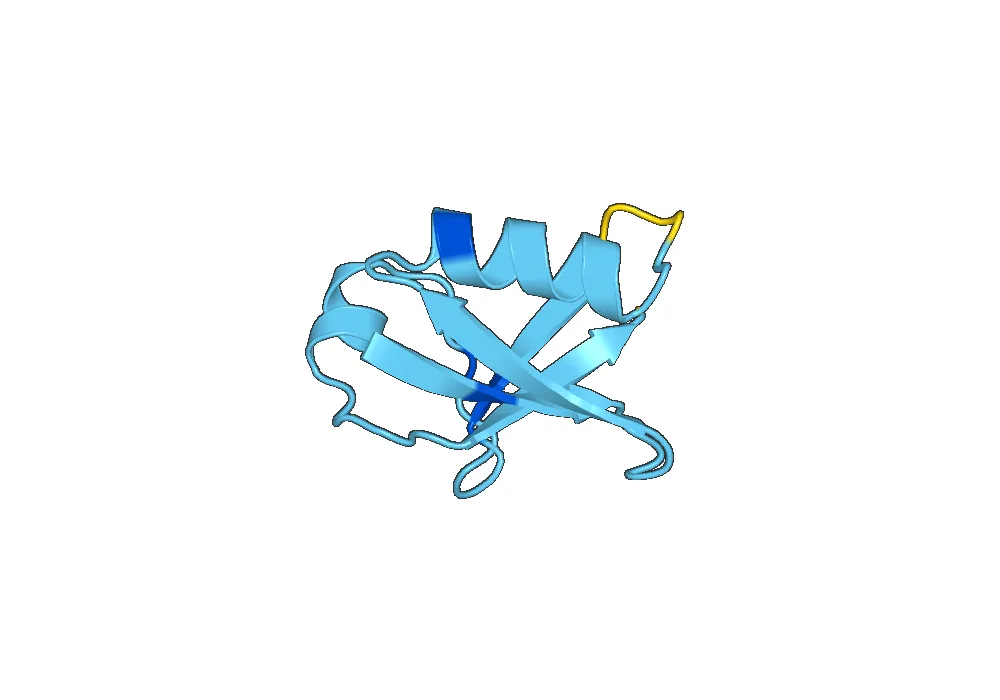
Structure of Recombinant Human PTGES3/P23 Protein
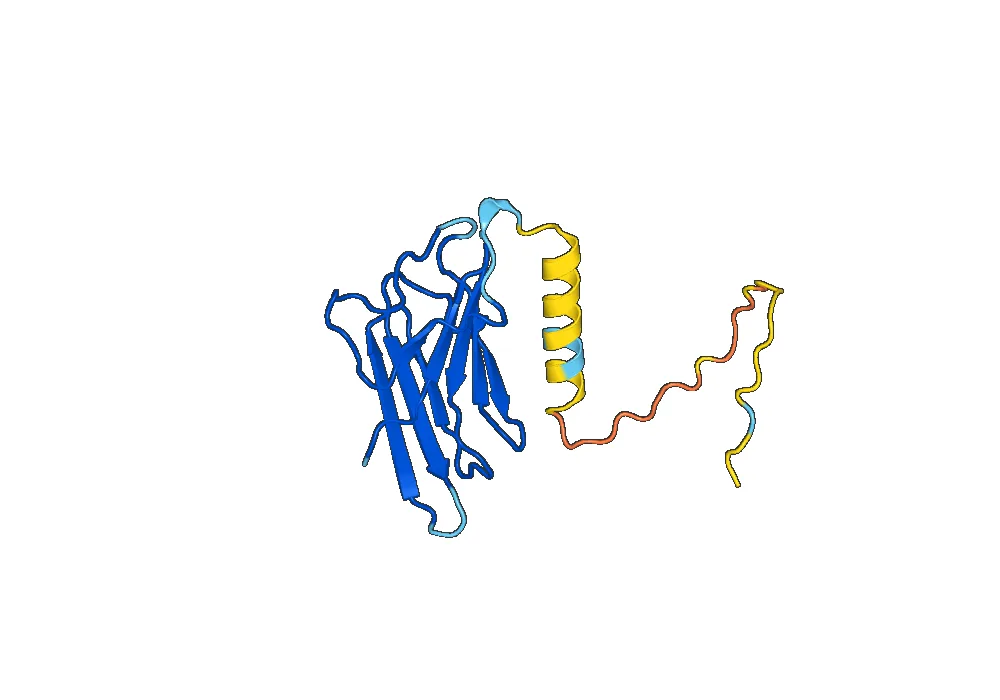
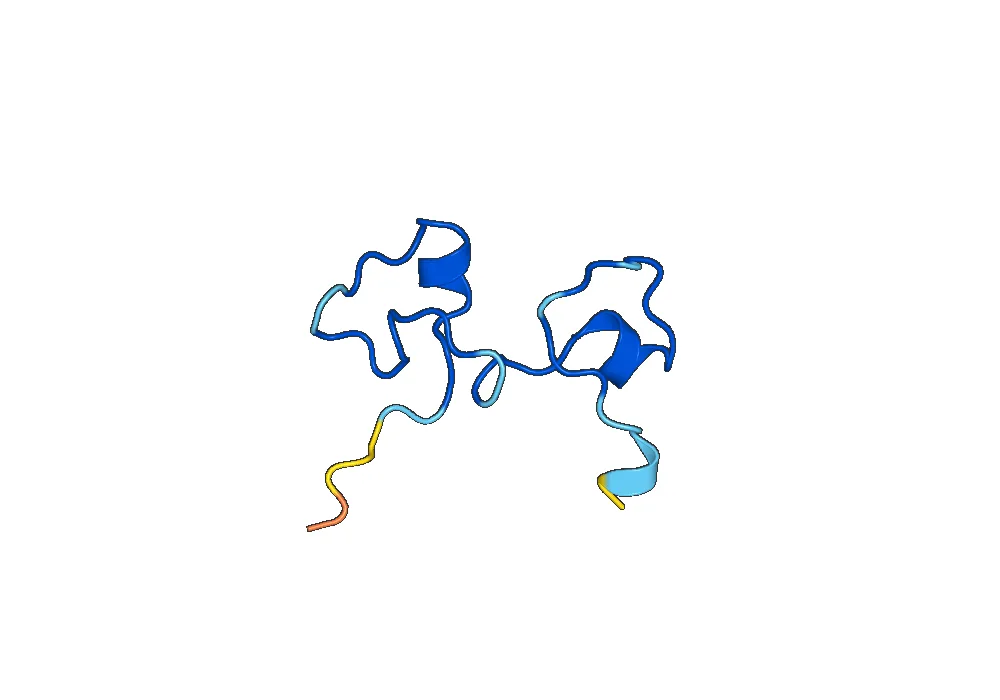
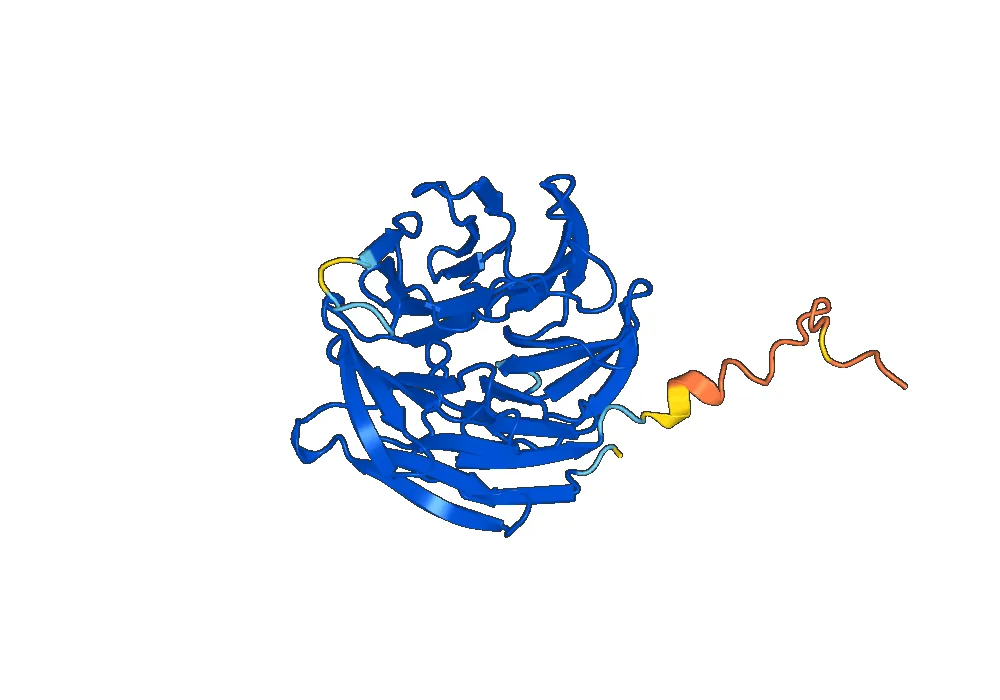
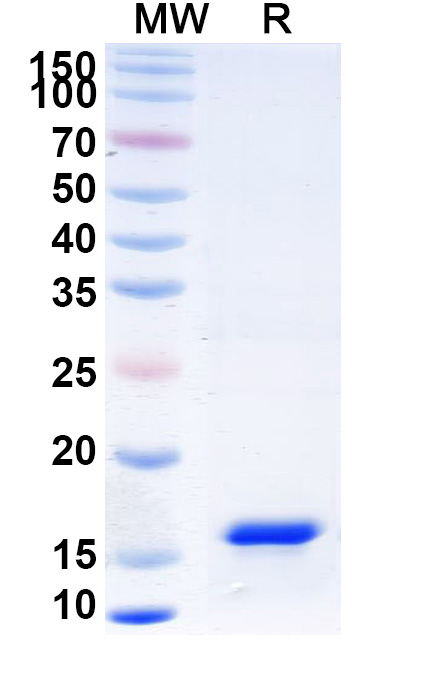
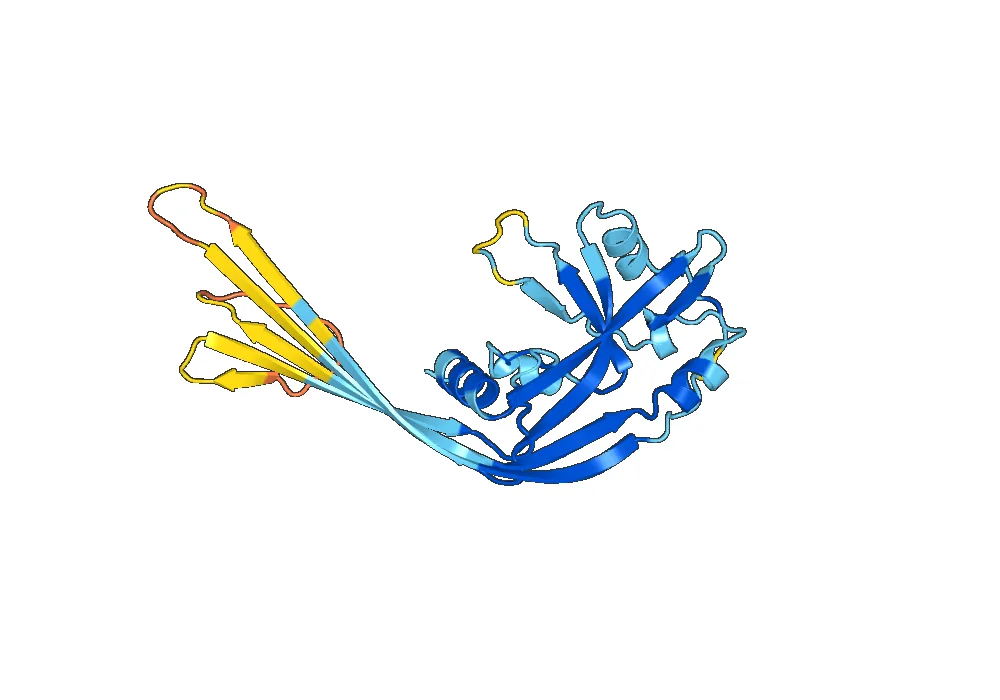
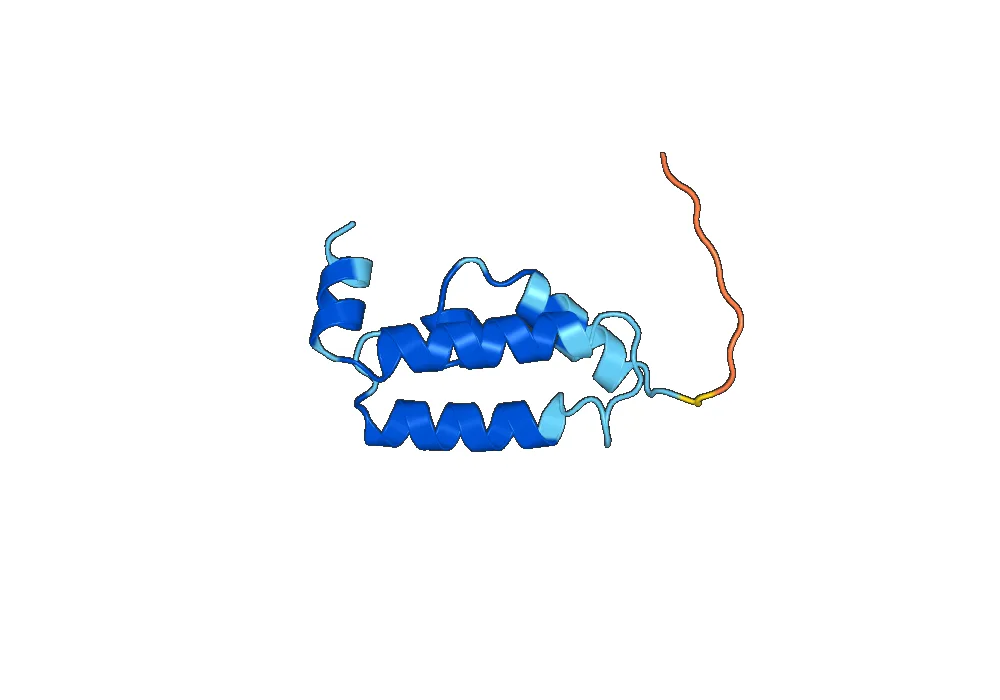
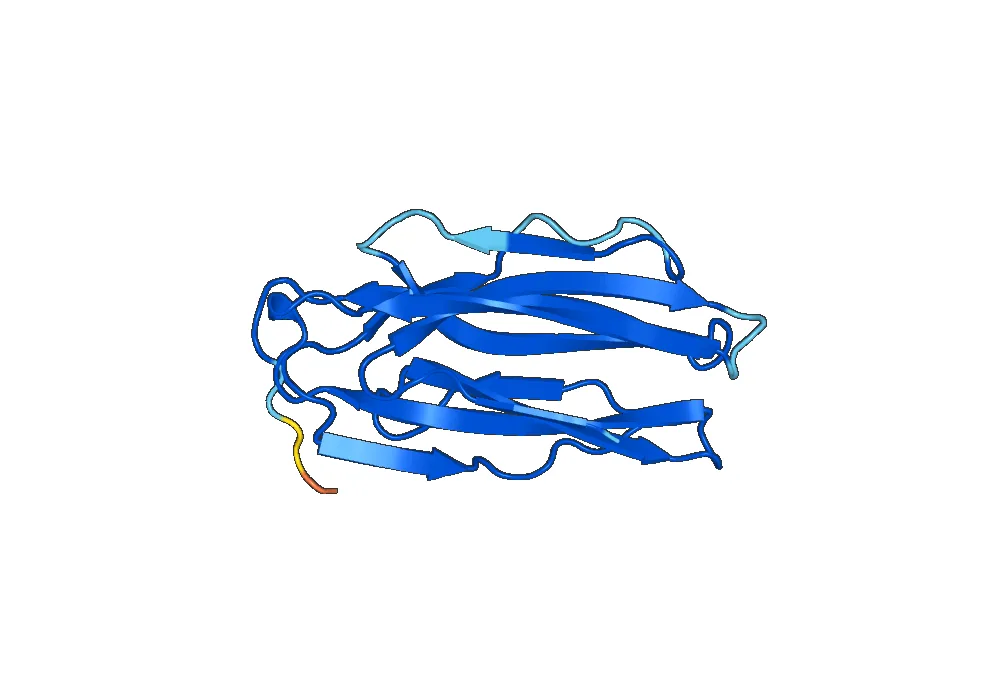
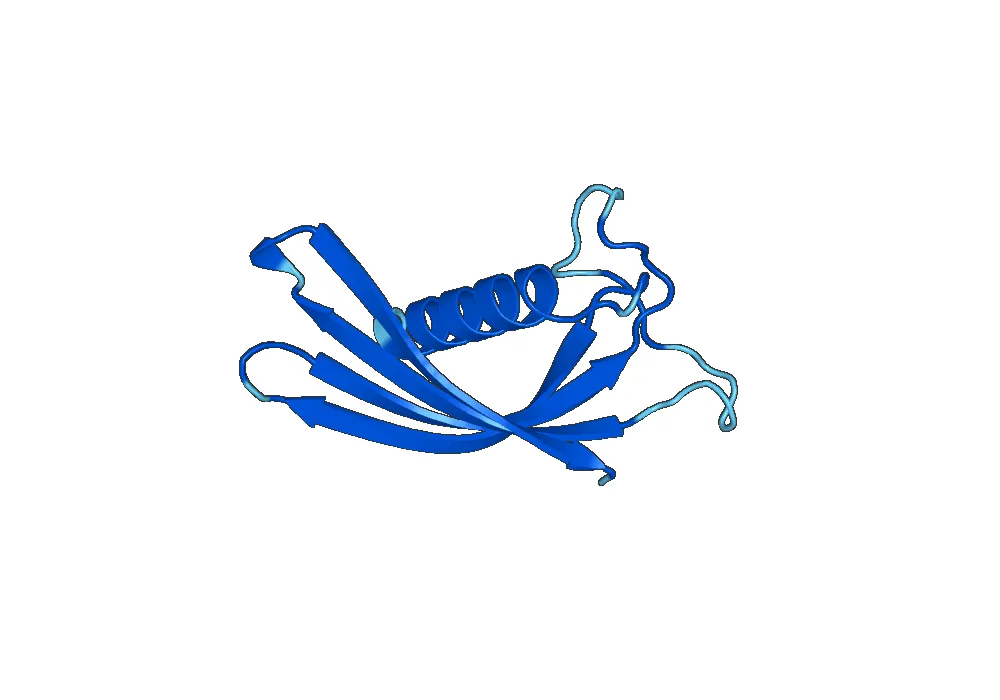
The recombinant PTGES3/P23 protein is a 23 kDa protein that consists of 199 amino acids. It has a conserved catalytic domain that is essential for its enzymatic activity. The protein also contains a hydrophobic transmembrane domain, which anchors it to the endoplasmic reticulum (ER) membrane. This unique structure allows the protein to function as a membrane-bound enzyme, unlike other prostaglandin synthases.
Activity of Recombinant Human PTGES3/P23 Protein
The main function of PTGES3/P23 protein is to catalyze the conversion of prostaglandin H2 (PGH2) to PGE2. This conversion involves the addition of a hydroxyl group to the cyclooxygenase (COX) product, resulting in the formation of PGE2. This process is crucial for maintaining the balance of PGE2 levels in the body, as PGE2 plays a key role in regulating inflammation, pain, and fever.
In addition to its role in PGE2 synthesis, PTGES3/P23 protein has been found to interact with other proteins involved in various cellular processes. It has been shown to interact with cytosolic phospholipase A2 (cPLA2), an enzyme involved in the production of arachidonic acid, a key precursor for prostaglandin synthesis. This interaction suggests that PTGES3/P23 protein may play a role in regulating the availability of arachidonic acid for PGE2 synthesis.
Application of Recombinant Human PTGES3/P23 Protein
The recombinant PTGES3/P23 protein has several applications in both research and therapeutic settings. Its ability to catalyze the conversion of PGH2 to PGE2 makes it a valuable tool for studying the role of PGE2 in various physiological processes. It can also be used to study the regulation of PGE2 synthesis and its interaction with other proteins.
In addition, the recombinant PTGES3/P23 protein has potential therapeutic applications. As PGE2 has been implicated in various diseases, such as inflammation, pain, and cancer, targeting the enzyme responsible for its synthesis, PTGES3/P23, could be a potential treatment strategy. Recombinant PTGES3/P23 protein can be used to develop inhibitors that can block its activity, thus reducing PGE2 levels and potentially alleviating symptoms of these diseases.
Furthermore, the recombinant PTGES3/P23 protein can also be used in the development of diagnostic assays for various diseases. As PGE2 levels have been found to be elevated in certain diseases, such as rheumatoid arthritis and certain types of cancer, measuring PGE2 levels in patient samples can aid in diagnosis and monitoring of these conditions. Recombinant PTGES3/P23 protein can be used as an antigen in these assays, allowing for the detection and quantification of PGE2 levels.
Conclusion
In summary, Recombinant Human PTGES3/P23 Protein is a 23 kDa protein that plays a crucial role in the synthesis of PGE2. Its unique structure and enzymatic activity make it a valuable tool for studying the role of PGE2 in various physiological processes. It also has potential therapeutic and diagnostic applications, making it a promising target for further research and development.
There are no reviews yet.