Introduction
Recombinant Human HLA-F Protein, also known as Human Leukocyte Antigen-F, is a type I transmembrane glycoprotein that belongs to the major histocompatibility complex (MHC) class I family. It plays a crucial role in the immune system by presenting antigens to T cells, which are essential for initiating an immune response. In this article, we will discuss the structure, activity, and applications of Recombinant Human HLA-F Protein.
Structure of Recombinant Human HLA-F Protein
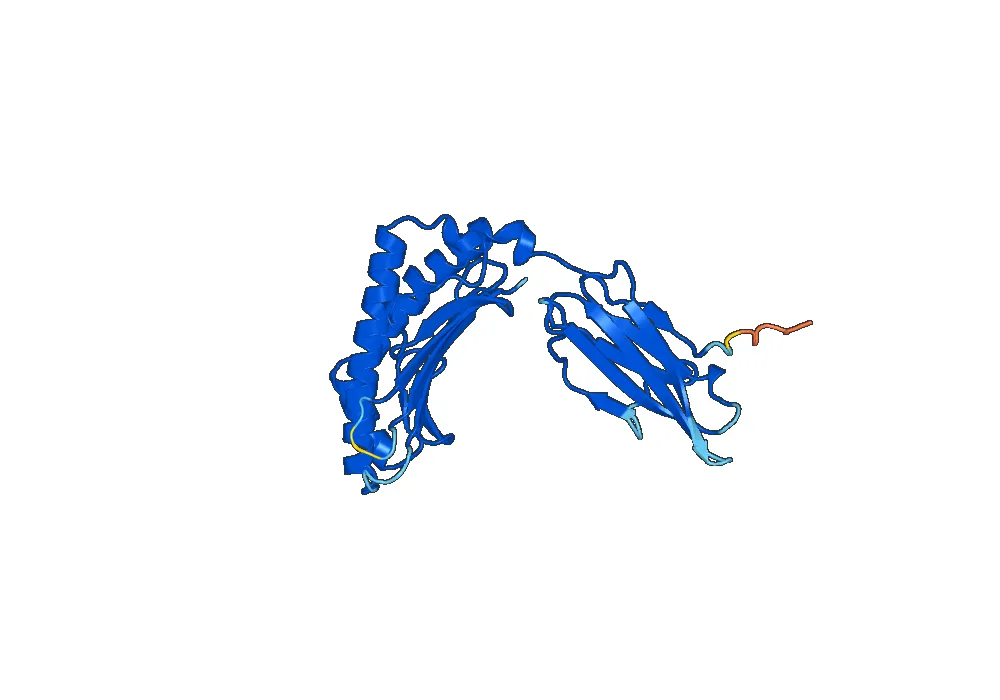
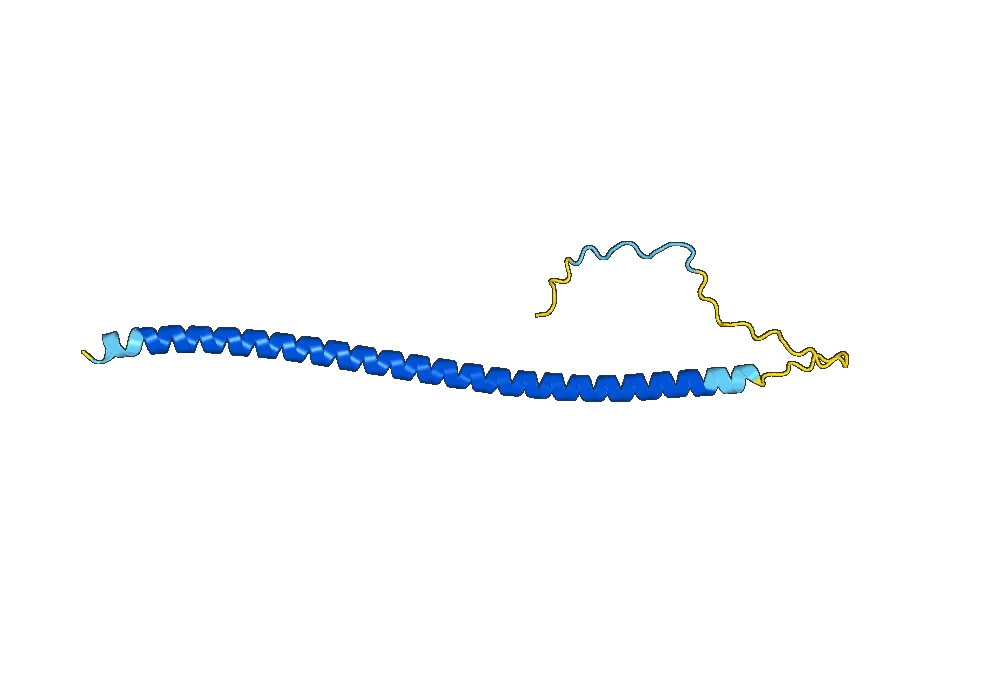
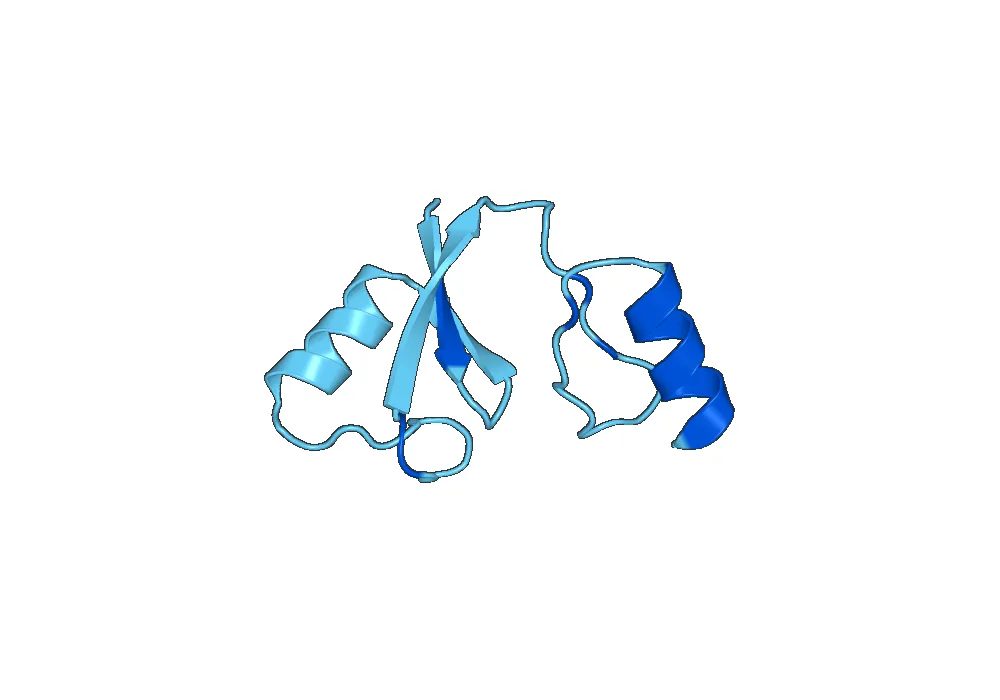
Recombinant Human HLA-F Protein is a heterodimer composed of two non-covalently linked chains: a heavy chain (45 kDa) and a light chain (12 kDa). The heavy chain contains three extracellular domains (α1, α2, and α3), a transmembrane domain, and a cytoplasmic tail. The α1 and α2 domains form the peptide-binding groove, while the α3 domain interacts with the T cell receptor. The light chain, also known as β2-microglobulin, is a small protein that stabilizes the heavy chain and is essential for antigen presentation.
Activity of Recombinant Human HLA-F Protein
Recombinant Human HLA-F Protein is primarily involved in the presentation of antigens to T cells. Antigens are small molecules, such as peptides, that are recognized by the immune system as foreign and elicit an immune response. The α1 and α2 domains of the heavy chain bind to the antigen, while the α3 domain interacts with the T cell receptor. This interaction triggers a series of events that lead to the activation of T cells, which then initiate an immune response to eliminate the foreign antigen.
In addition to antigen presentation, Recombinant Human HLA-F Protein also plays a role in regulating the activity of natural killer (NK) cells. NK cells are a type of immune cell that can directly kill infected or abnormal cells. The interaction between Recombinant Human HLA-F Protein and NK cells can either activate or inhibit their activity, depending on the specific receptors involved.
Applications of Recombinant Human HLA-F Protein
Recombinant Human HLA-F Protein has a wide range of applications in the field of immunology and medicine. One of its primary uses is in research, where it is used to study the immune response and the role of MHC class I molecules in antigen presentation. Recombinant Human HLA-F Protein can also be used to screen for potential antigens that can elicit an immune response, which is essential in the development of vaccines.
In the clinical setting, Recombinant Human HLA-F Protein has shown potential as a diagnostic marker for certain diseases. For example, abnormal expression of HLA-F has been observed in certain types of cancer, making it a potential biomarker for early detection and diagnosis. Additionally, Recombinant Human HLA-F Protein has been investigated as a potential therapeutic target for autoimmune diseases, as it plays a role in regulating the activity of T cells.
Conclusion
In conclusion, Recombinant Human HLA-F Protein is a crucial component of the immune system that is involved in antigen presentation and the regulation of immune cell activity. Its structure, activity, and applications make it a valuable tool in research and a potential diagnostic and therapeutic target in the clinical setting. Further studies on Recombinant Human HLA-F Protein may lead to a better understanding of the immune response and the development of new treatments for various diseases.


There are no reviews yet.