Introduction
Recombinant proteins have revolutionized the field of biotechnology and have become essential tools in various research and clinical applications. One such protein is the Recombinant Human ADAMTSL4 Protein, which has gained significant attention due to its unique structure and diverse functions. In this article, we will explore the structure, activity, and applications of this protein in detail.
Structure of Recombinant Human ADAMTSL4 Protein
The Recombinant Human ADAMTSL4 Protein, also known as ADAMTS-like protein 4, is a member of the ADAMTS (a disintegrin and metalloproteinase with thrombospondin motifs) family. It is encoded by the ADAMTSL4 gene located on chromosome 1q21.2. This protein consists of 1,450 amino acids and has a molecular weight of approximately 160 kDa.
The primary structure of ADAMTSL4 protein contains several conserved domains, including a signal peptide, a propeptide, a metalloproteinase domain, a disintegrin-like domain, a thrombospondin type-1 (TSP1) motif, and a cysteine-rich domain. These domains are responsible for the diverse functions of this protein.
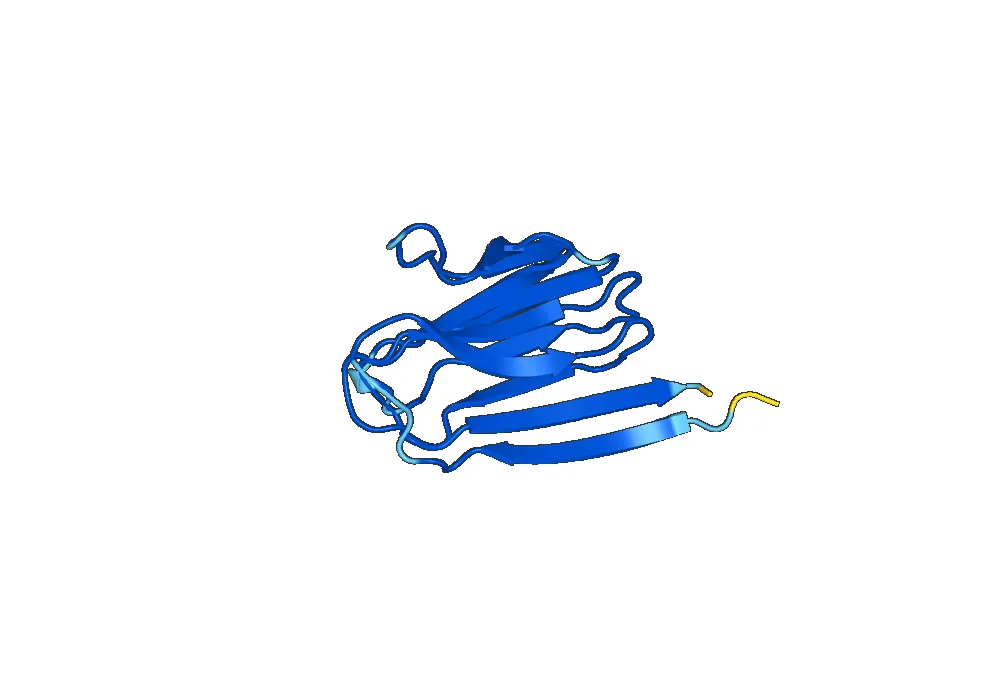
The crystal structure of the Recombinant Human ADAMTSL4 Protein has been determined, revealing a unique architecture with a central metalloproteinase domain surrounded by the disintegrin-like and TSP1 domains. This structure allows the protein to interact with various extracellular matrix components and regulate their functions.
Activity of Recombinant Human ADAMTSL4 Protein
The primary function of ADAMTSL4 protein is to regulate the formation and maintenance of extracellular matrix (ECM). It achieves this by interacting with various ECM components, such as fibrillin-1, fibronectin, and collagen, through its different domains.
The metalloproteinase domain of ADAMTSL4 protein has been shown to have proteolytic activity, which is essential for ECM remodeling. It cleaves fibrillin-1, a major component of elastic fibers, and regulates its assembly and stability. This activity is crucial for the development and maintenance of tissues, such as the skin, lungs, and blood vessels.
The disintegrin-like domain of ADAMTSL4 protein has been found to interact with integrins, a family of cell adhesion receptors, and modulate their signaling pathways. This interaction plays a crucial role in cell adhesion, migration, and proliferation, which are essential processes during tissue development and wound healing.
The TSP1 motif of ADAMTSL4 protein has been shown to bind to heparin and heparan sulfate, two glycosaminoglycans present in the ECM. This interaction is crucial for the regulation of ECM assembly and stability, as well as cell signaling and migration.
Application of Recombinant Human ADAMTSL4 Protein
The unique structure and diverse functions of the Recombinant Human ADAMTSL4 Protein make it a valuable tool in various research and clinical applications. One of the major applications of this protein is in the study of ECM-related diseases, such as Marfan syndrome, a connective tissue disorder caused by mutations in the fibrillin-1 gene. ADAMTSL4 protein can be used to investigate the role of ECM remodeling in the development of this disorder and potentially develop therapeutic interventions.
In addition, the proteolytic activity of ADAMTSL4 protein makes it a potential target for drug development. Inhibitors of this protein could be used to treat diseases associated with abnormal ECM remodeling, such as fibrosis and cancer.
Furthermore, the interaction of ADAMTSL4 protein with integr

There are no reviews yet.