The Structure of Recombinant Human EXOG Protein
Recombinant Human EXOG Protein is a type of protein that is produced through genetic engineering techniques. It is a modified version of the naturally occurring EXOG protein, which is involved in DNA repair and maintenance. The recombinant protein is designed to have the same structure and function as the natural protein, but with enhanced properties for use in various applications.
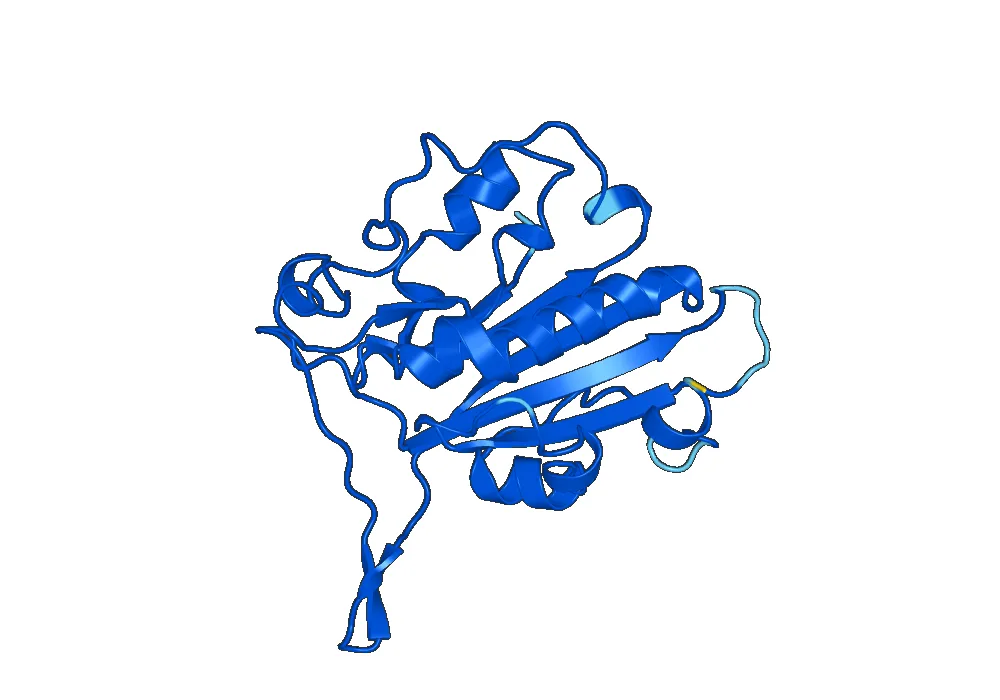
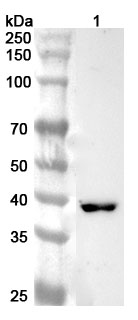
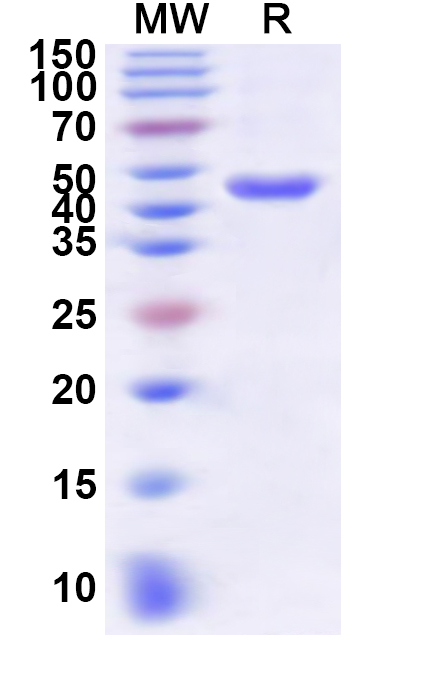
The structure of Recombinant Human EXOG Protein is composed of 327 amino acids, with a molecular weight of approximately 37 kDa. It contains a conserved N-terminal catalytic domain and a C-terminal zinc finger domain. The catalytic domain is responsible for the protein’s enzymatic activity, while the zinc finger domain is involved in DNA binding and recognition.
The protein also has several post-translational modifications, including phosphorylation and acetylation, which can affect its activity and stability. These modifications can be controlled during the production of the recombinant protein, allowing for customization of its properties.
The Activity of Recombinant Human EXOG Protein
Recombinant Human EXOG Protein is a highly active enzyme that plays a crucial role in DNA repair and maintenance. Its main function is to remove damaged or mismatched nucleotides from the ends of DNA strands, preventing mutations and maintaining the integrity of the genome.
The protein has a high affinity for DNA and can recognize and bind to damaged sites. It then uses its catalytic domain to cleave the damaged nucleotides, resulting in a clean DNA end that can be repaired by other enzymes. This process is essential for maintaining the stability and accuracy of the genetic code.
In addition to its role in DNA repair, Recombinant Human EXOG Protein has also been found to have anti-inflammatory properties. It can inhibit the activity of certain enzymes involved in inflammation, thereby reducing the inflammatory response in various tissues. This makes it a potential therapeutic target for conditions such as arthritis and autoimmune diseases.
Applications of Recombinant Human EXOG Protein
Recombinant Human EXOG Protein has a wide range of potential applications in various fields, including pharmaceuticals, biotechnology, and research.
One of the main applications of this protein is in the development of novel therapeutics. Its ability to repair damaged DNA and regulate inflammation makes it a promising candidate for the treatment of genetic disorders, cancer, and inflammatory diseases. By modulating its activity and targeting specific tissues, Recombinant Human EXOG Protein can be used to develop targeted therapies with minimal side effects.
In biotechnology, Recombinant Human EXOG Protein can be used as a tool in DNA sequencing and cloning. Its high affinity for DNA and precise cleavage activity make it a valuable enzyme for manipulating DNA sequences in the laboratory. It can also be used in the production of recombinant proteins, as it can remove unwanted nucleotides from the ends of DNA fragments, allowing for the insertion of desired sequences.
In research, Recombinant Human EXOG Protein can be used to study the mechanisms of DNA repair and the role of this protein in various diseases. Its recombinant form allows for easier purification and manipulation, making it a valuable tool for understanding the structure and function of EXOG and its potential therapeutic applications.
In conclusion, Recombinant Human EXOG Protein is a versatile and highly active enzyme with a crucial role in DNA repair and maintenance. Its structure, activity, and potential applications make it a valuable tool for various industries and research fields. With further studies and advancements in genetic engineering techniques, this protein holds great potential for the development of novel therapeutics and biotechnological tools.

There are no reviews yet.