Introduction
Recombinant Human CD49a/ITGA1/VLA-1 Protein is a cell surface glycoprotein that belongs to the integrin family. It is encoded by the ITGA1 gene and is also known as the very late antigen-1 (VLA-1). This protein is composed of two subunits, alpha 1 and beta 1, which are non-covalently linked. CD49a is the alpha 1 subunit, while the beta 1 subunit is shared by other integrins. This protein plays a crucial role in cell adhesion and signaling, and has been extensively studied for its structure, activity, and potential applications.
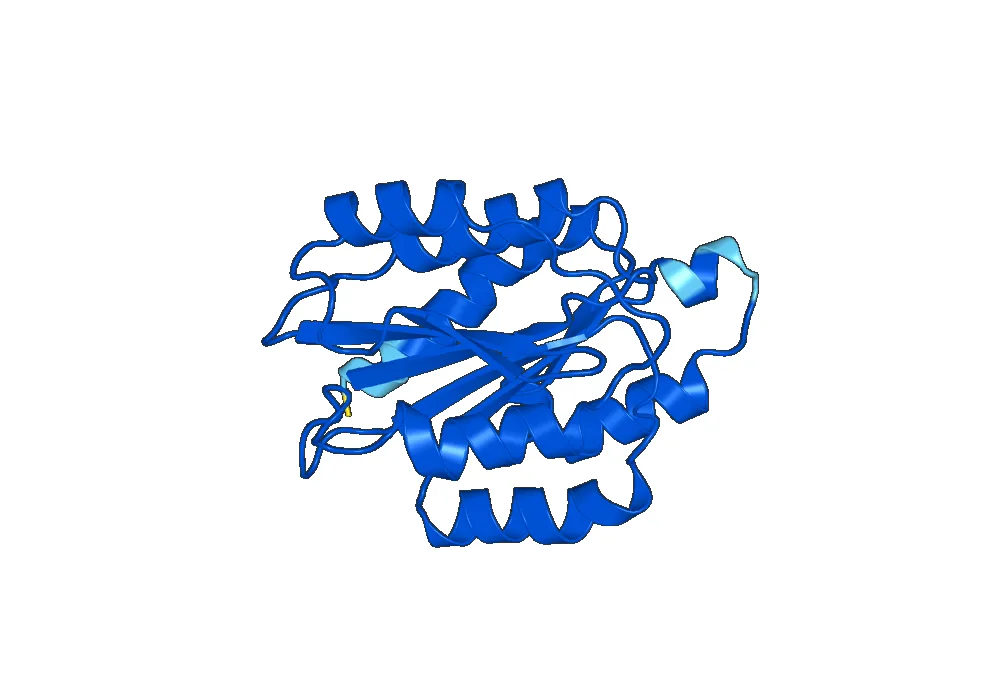
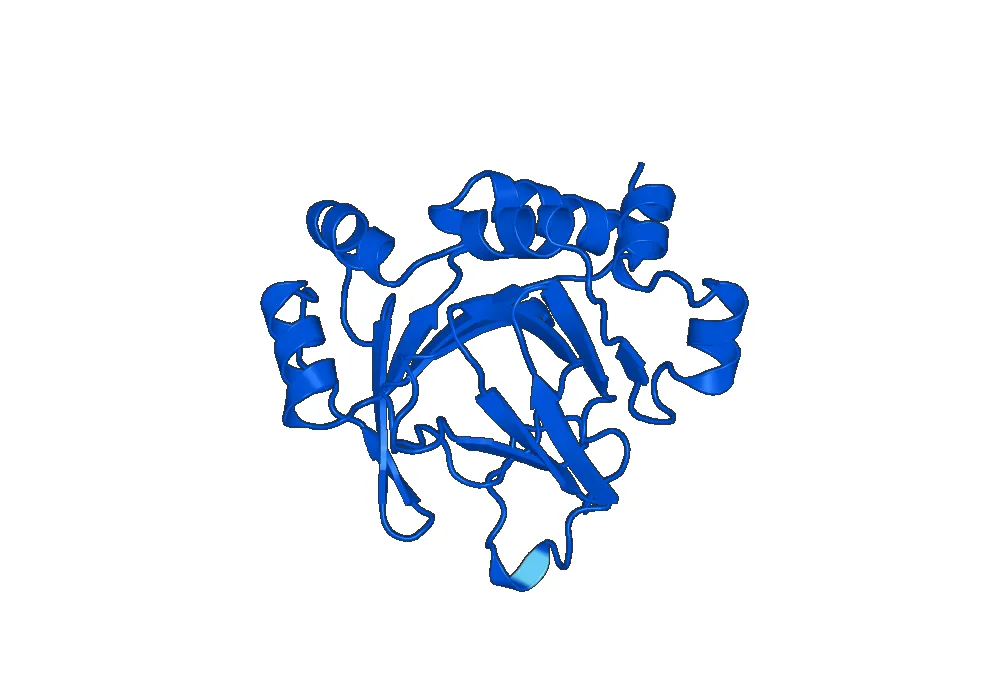
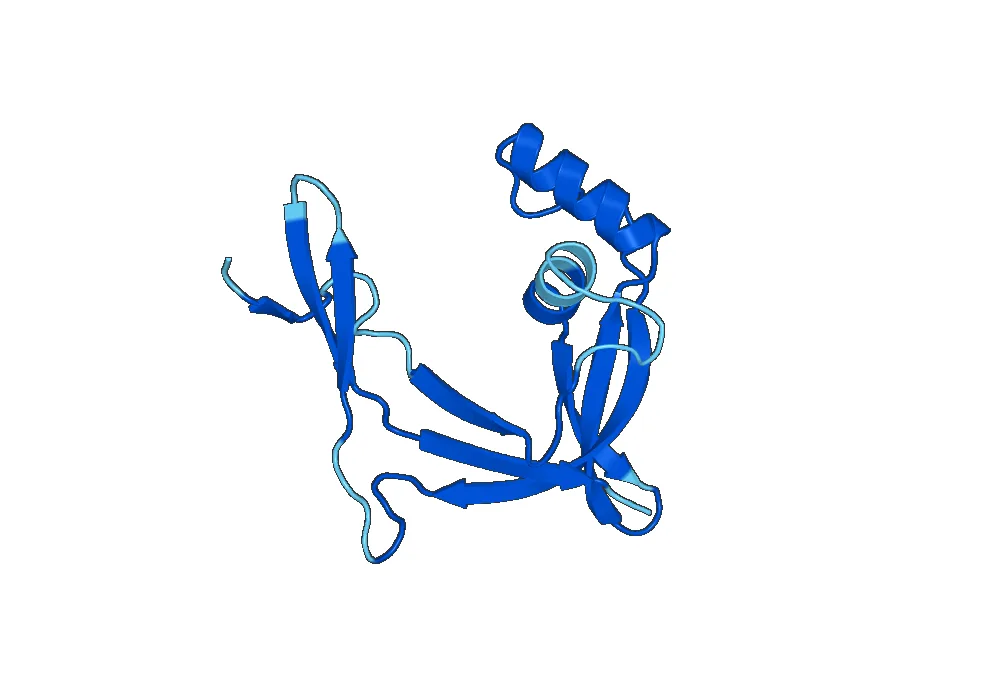
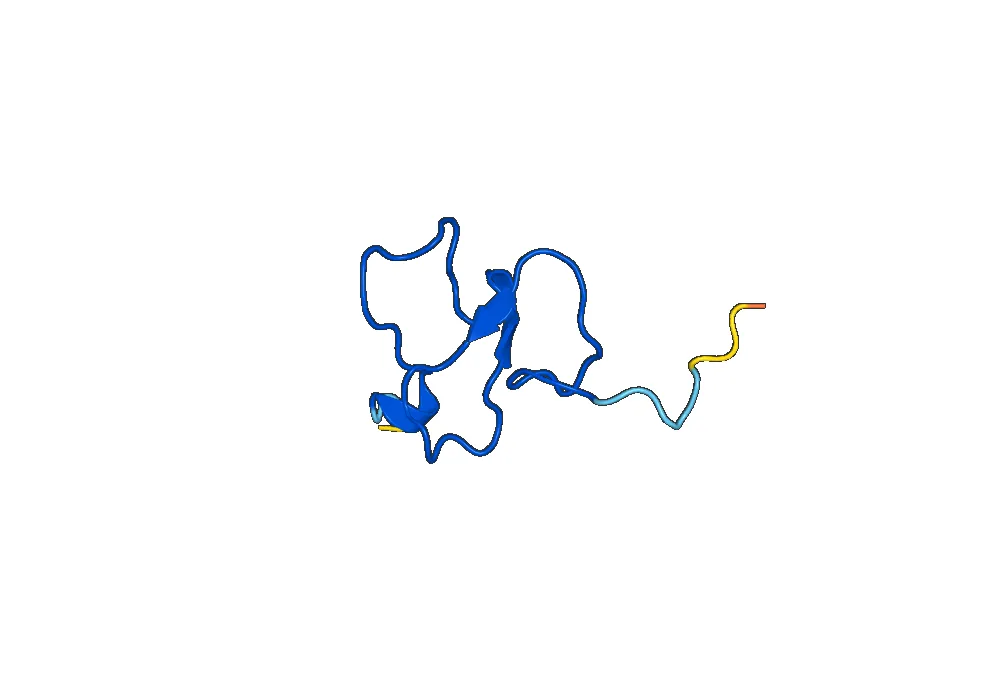
Structure of Recombinant Human CD49a/ITGA1/VLA-1 Protein
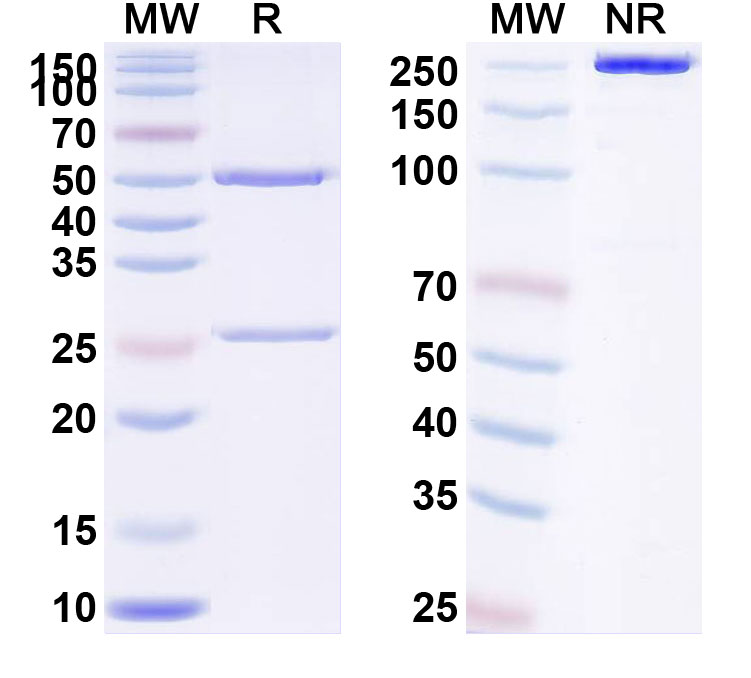
The recombinant human CD49a/ITGA1/VLA-1 protein is a heterodimeric transmembrane protein with a molecular weight of approximately 170 kDa. The alpha 1 subunit contains a large extracellular domain, a single transmembrane domain, and a short cytoplasmic tail. The extracellular domain consists of seven repeats of a conserved sequence motif known as the von Willebrand factor type A (VWA) domain. This domain is responsible for binding to ligands such as collagen and laminin.
The beta 1 subunit also has a large extracellular domain with a VWA domain, a transmembrane domain, and a cytoplasmic tail. The cytoplasmic tails of both subunits are important for intracellular signaling and interaction with cytoskeletal proteins.
Activity of Recombinant Human CD49a/ITGA1/VLA-1 Protein
Recombinant human CD49a/ITGA1/VLA-1 protein is primarily expressed on the surface of T cells, B cells, and natural killer cells. It is also found on a variety of other cell types, including endothelial cells, fibroblasts, and epithelial cells. This protein plays a crucial role in cell adhesion and migration, as well as in signaling pathways involved in cell proliferation and differentiation.
One of the main functions of CD49a is to mediate cell adhesion to extracellular matrix proteins such as collagen, laminin, and fibronectin. This is achieved through the binding of the VWA domain to specific amino acid sequences in these proteins. This adhesion is important for the recruitment of immune cells to sites of inflammation and for the maintenance of tissue integrity.
In addition to its role in cell adhesion, CD49a also plays a key role in signaling pathways. It can interact with other cell surface receptors, such as integrins and growth factor receptors, to activate intracellular signaling cascades. This can lead to changes in gene expression, cell proliferation, and differentiation.
Applications of Recombinant Human CD49a/ITGA1/VLA-1 Protein
The unique structure and activity of recombinant human CD49a/ITGA1/VLA-1 protein make it a valuable tool in various research and clinical applications. One of the most significant applications is in the study of immune cell function. As CD49a is primarily expressed on immune cells, it has been used to investigate the role of these cells in various diseases and conditions, such as cancer, autoimmune disorders, and infections.
Another important application of recombinant human CD49a is in drug discovery and development. As CD49a is involved in cell adhesion and signaling, it has been identified as a potential target for the treatment of various diseases. Researchers have developed inhibitors and antibodies that can specifically target CD49a and modulate its activity, which may have therapeutic benefits in various diseases.
Conclusion
Recombinant Human CD49a/ITGA1/VLA-1 Protein is a crucial component of the integrin family and plays a critical role in cell adhesion and signaling. Its unique structure and activity have made it a valuable tool in various research and clinical applications, particularly in the study of immune cell function and drug discovery. Further studies on this protein may lead to a better understanding of its role in disease and potential therapeutic applications.



There are no reviews yet.