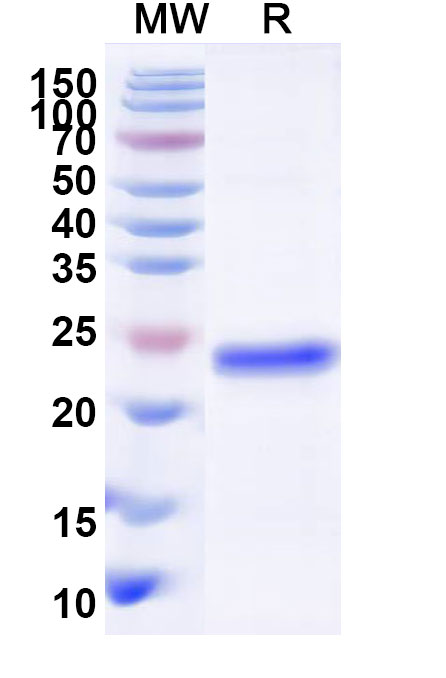
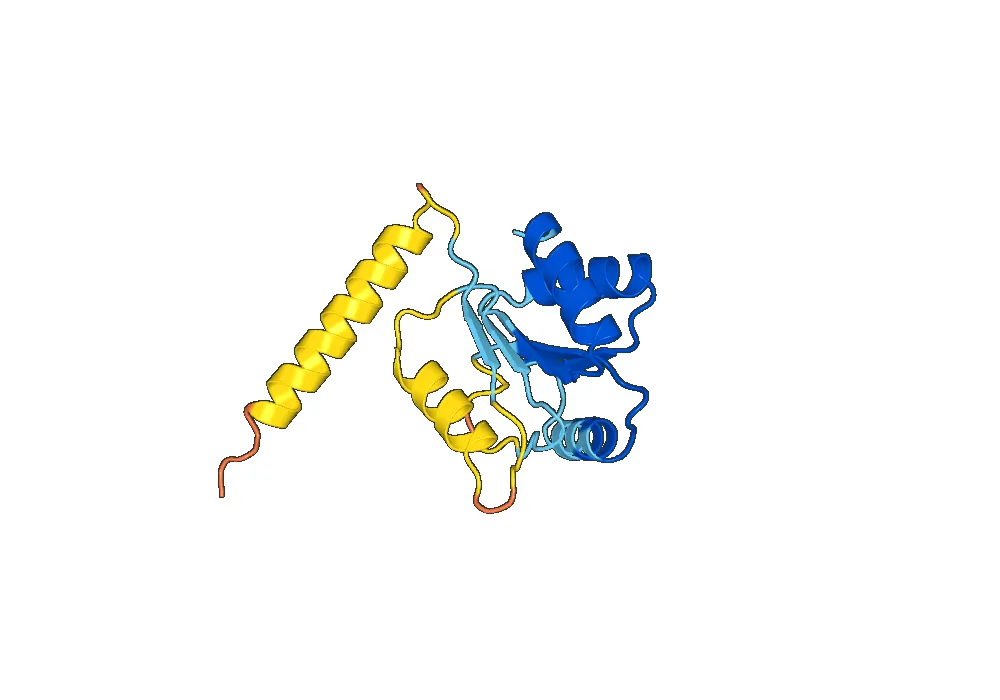
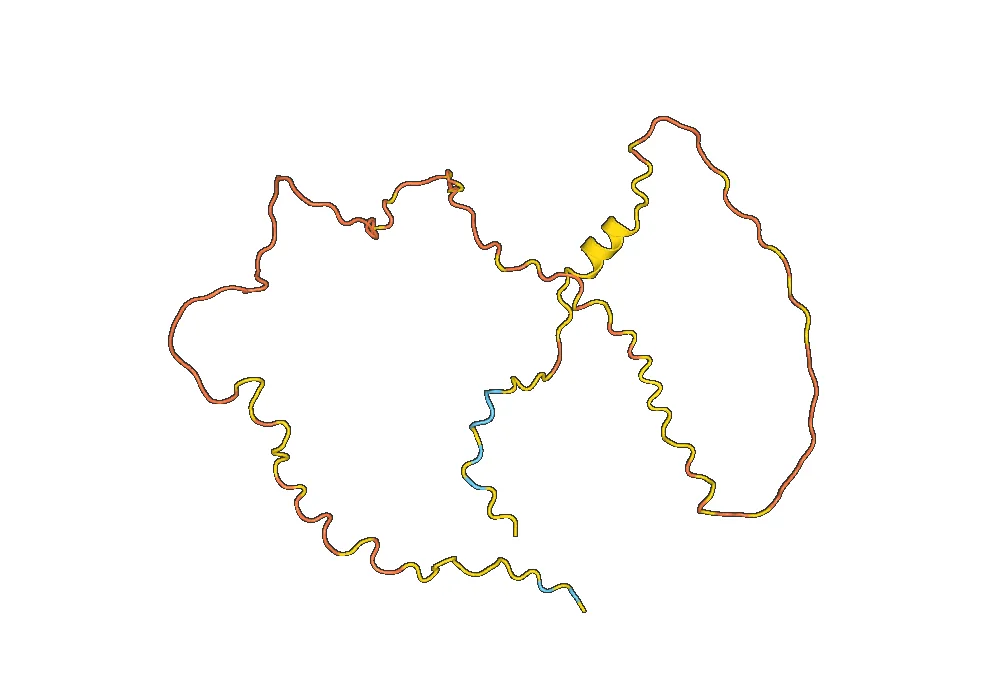
Recombinant Human PAF1 Protein, also known as Polymerase-Associated Factor 1, is a highly conserved protein that plays a crucial role in regulating gene expression. It is a 66 kDa protein that is composed of 600 amino acids and is encoded by the PAF1 gene located on chromosome 19 in humans.
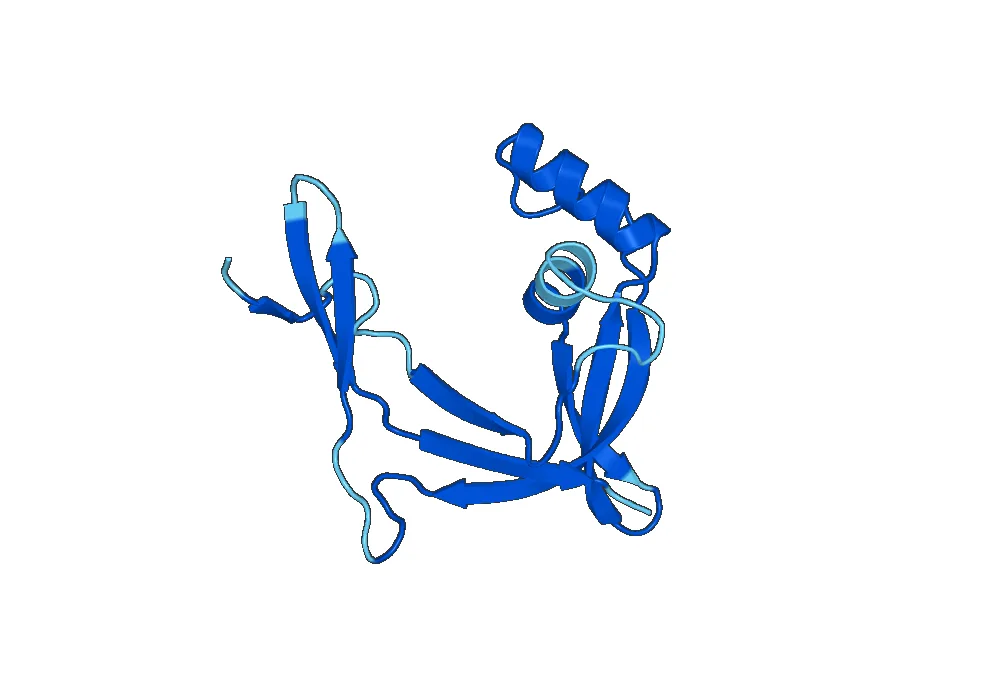
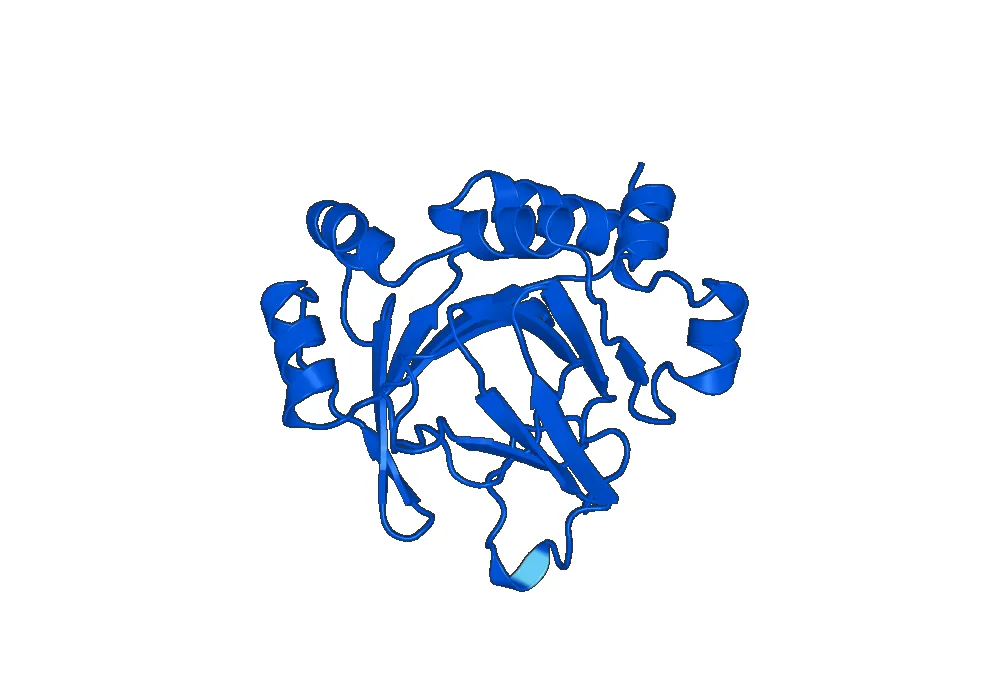
The primary structure of Recombinant Human PAF1 Protein is characterized by the presence of several conserved domains, including the C-terminal domain (CTD) and the PAF1 domain. The CTD is involved in protein-protein interactions and is essential for the recruitment of PAF1 to the RNA polymerase II complex. The PAF1 domain, on the other hand, is responsible for the interaction with other transcription factors and chromatin-modifying enzymes.
In addition to these conserved domains, Recombinant Human PAF1 Protein also contains several functional motifs, such as the WD40 repeat domain and the RNA recognition motif (RRM). These motifs play a critical role in the protein’s activity by mediating interactions with other proteins and RNA molecules.
Activity of Recombinant Human PAF1 Protein
Recombinant Human PAF1 Protein is a key component of the RNA polymerase II complex, which is responsible for transcribing DNA into RNA. It acts as a scaffold protein, bringing together various transcription factors and chromatin-modifying enzymes to regulate gene expression. PAF1 is also involved in the elongation and termination of transcription, as well as in the processing of pre-mRNA.
One of the key functions of Recombinant Human PAF1 Protein is its role in histone modification. PAF1 interacts with the histone methyltransferase SET1/COMPASS complex, which leads to the trimethylation of histone H3 at lysine 4 (H3K4me3). This modification is associated with active gene expression and is crucial for the proper regulation of gene expression.
Moreover, Recombinant Human PAF1 Protein is also involved in the regulation of chromatin structure. It interacts with the histone deacetylase complex NuRD, which is responsible for removing acetyl groups from histones. This interaction leads to the deacetylation of histone H3 and H4, resulting in a more compact chromatin structure that can repress gene expression.
Application of Recombinant Human PAF1 Protein
Recombinant Human PAF1 Protein has various applications in both basic research and biotechnology. Its role in regulating gene expression makes it a valuable tool for studying the mechanisms of transcription and chromatin modification. It has also been implicated in various diseases, such as cancer and neurodegenerative disorders, making it a potential target for therapeutic interventions.
One of the most significant applications of Recombinant Human PAF1 Protein is in the production of recombinant proteins. PAF1 has been shown to enhance the expression of recombinant proteins in various cell types, making it a useful tool for protein production in both academic and industrial settings. Its ability to regulate gene expression also makes it a potential candidate for improving the production of biopharmaceuticals.
Moreover, Recombinant Human PAF1 Protein has been used in the development of novel drug screening assays. Its involvement in various cellular processes, such as transcription and histone modification, makes it a valuable target for drug discovery. PAF1 inhibitors have been shown to have anti-cancer properties, highlighting its potential as a therapeutic target.
In conclusion, Recombinant Human PAF1 Protein is a crucial player in the regulation of gene expression and chromatin modification. Its structure and activity make it a versatile tool for studying transcription and protein production, as well as a potential target for drug development. Further research on this protein is necessary to fully understand its role in cellular processes and its potential applications in biotechnology and medicine.

There are no reviews yet.