Introduction to Recombinant Human ING2 Protein
Recombinant Human ING2 Protein is a highly sought-after protein in the field of molecular biology and biochemistry. This protein is a member of the Inhibitor of Growth (ING) family, which plays a crucial role in regulating cell growth, differentiation, and apoptosis. ING proteins have been extensively studied for their tumor suppressor activity, and Recombinant Human ING2 Protein is no exception. In this article, we will explore the structure, activity, and application of this important protein.
Structure of Recombinant Human ING2 Protein
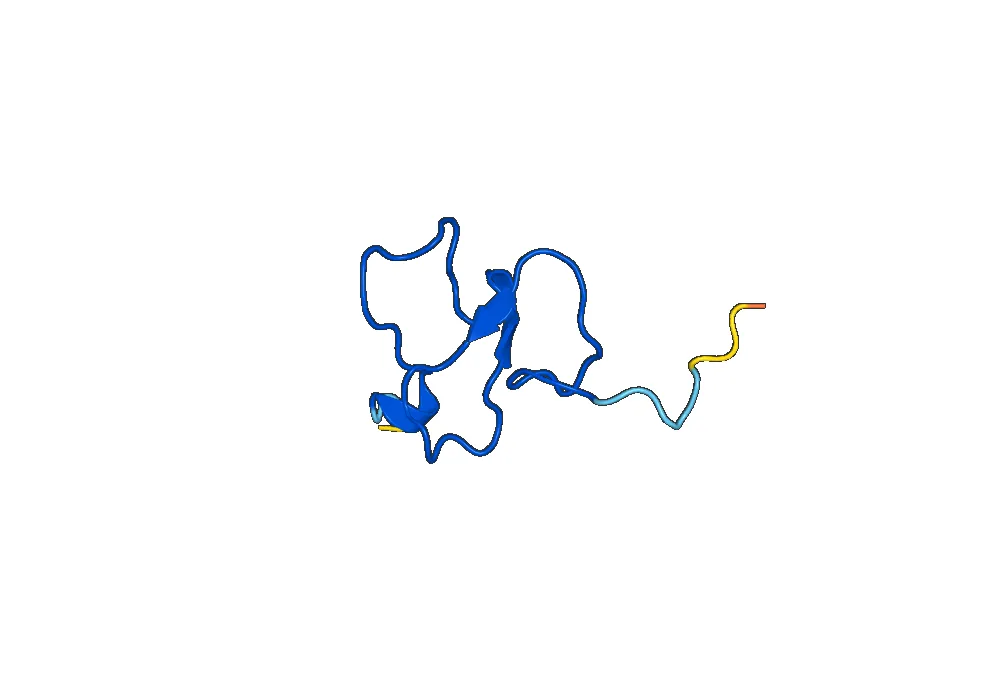
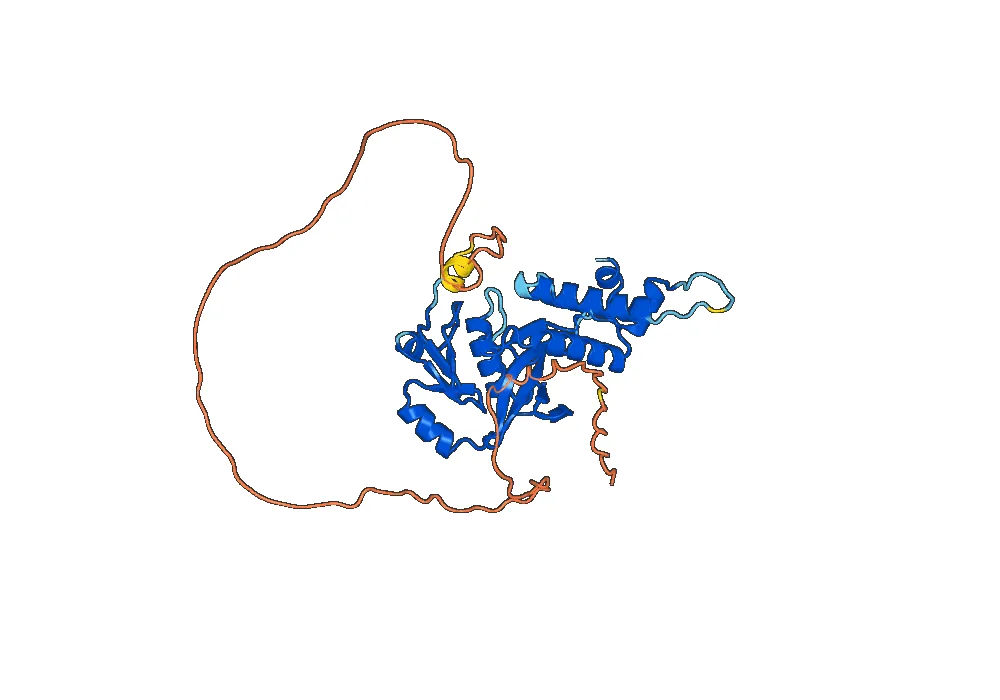
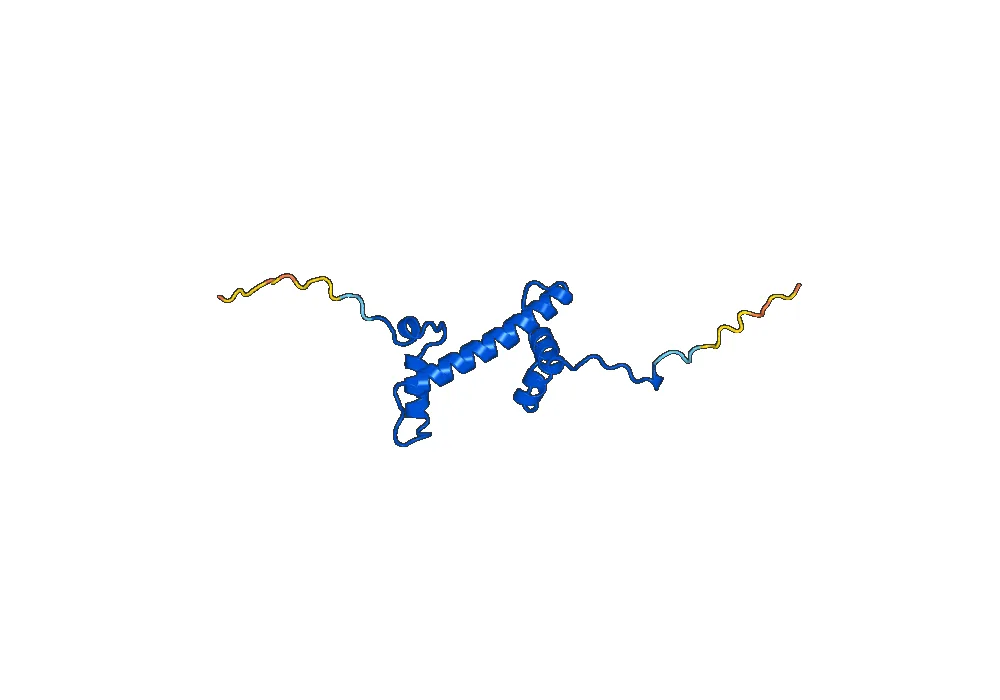
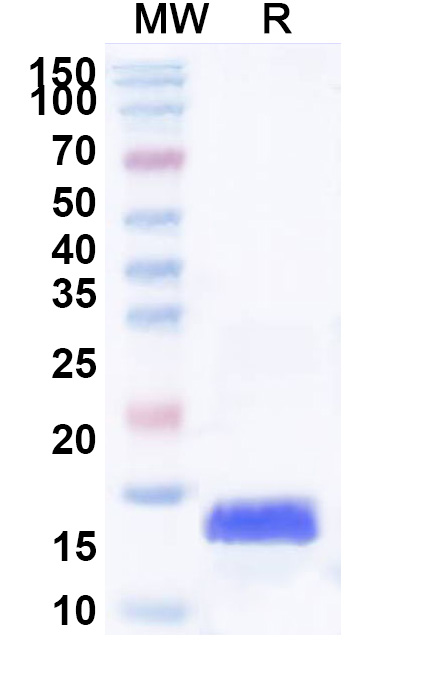
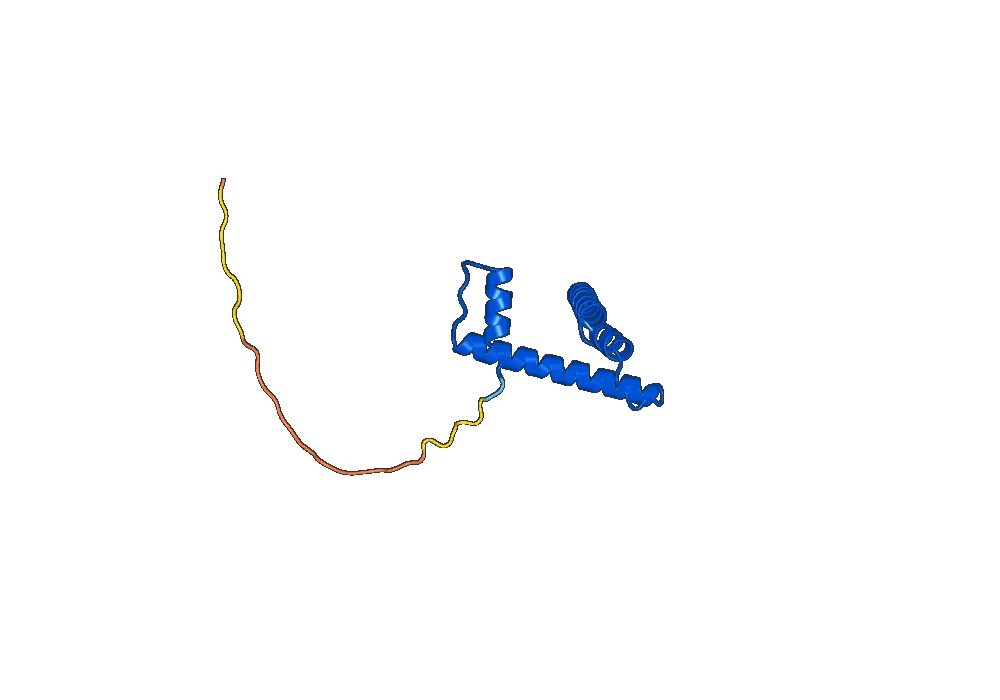
Recombinant Human ING2 Protein is a 323 amino acid protein with a molecular weight of approximately 37 kDa. It contains a highly conserved N-terminal plant homeodomain (PHD) finger, a central nuclear localization signal (NLS), and a C-terminal leucine zipper-like domain. The PHD finger is responsible for binding to histone H3, while the NLS is required for nuclear localization of the protein. The leucine zipper-like domain is involved in protein-protein interactions, specifically with the transcriptional co-activator p300.
Activity of Recombinant Human ING2 Protein
Recombinant Human ING2 Protein is a multifunctional protein with diverse activities. It has been shown to be a transcriptional co-regulator, chromatin modifier, and tumor suppressor. As a transcriptional co-regulator, ING2 interacts with various transcription factors and co-activators to regulate gene expression. It can either activate or repress gene transcription depending on the context. ING2 also has histone acetyltransferase activity, which allows it to modify chromatin structure and regulate gene expression.
One of the most well-studied activities of Recombinant Human ING2 Protein is its tumor suppressor function. It has been shown to inhibit cell proliferation, induce apoptosis, and suppress tumor growth in various cancer types. ING2 achieves this by regulating the expression of key genes involved in cell cycle control, DNA repair, and apoptosis. It also interacts with other tumor suppressor proteins, such as p53, to enhance their activity.
Application of Recombinant Human ING2 Protein
Given its diverse activities, Recombinant Human ING2 Protein has numerous potential applications in the field of cancer research and therapy. Its tumor suppressor activity makes it a promising candidate for cancer treatment. Studies have shown that overexpression of ING2 can inhibit tumor growth and sensitize cancer cells to chemotherapy. Additionally, the PHD finger and NLS of ING2 have been targeted for drug development, as they are involved in interactions with key proteins involved in cancer progression.
Recombinant Human ING2 Protein also has potential applications in other diseases and conditions. It has been shown to play a role in regulating immune responses and inflammation, making it a potential target for autoimmune diseases. Its role in chromatin modification also suggests it may have a role in aging and age-related diseases.
Conclusion
In summary, Recombinant Human ING2 Protein is a multifunctional protein with diverse activities. Its structure, including the PHD finger, NLS, and leucine zipper-like domain, allows it to interact with various proteins and regulate gene expression. Its tumor suppressor activity and potential applications in cancer treatment make it a highly sought-after protein in the field of cancer research. Further studies on the structure and activity of Recombinant Human ING2 Protein may lead to new insights into its role in various diseases and potential therapeutic applications.


There are no reviews yet.