Introduction
Recombinant Human SMARCC1 Protein, also known as SWI/SNF-related matrix-associated actin-dependent regulator of chromatin subfamily C member 1, is a protein that plays a crucial role in chromatin remodeling and gene expression. It is a highly conserved protein found in all eukaryotic organisms and is essential for various cellular processes such as development, differentiation, and DNA repair.
Structure of Recombinant Human SMARCC1 Protein
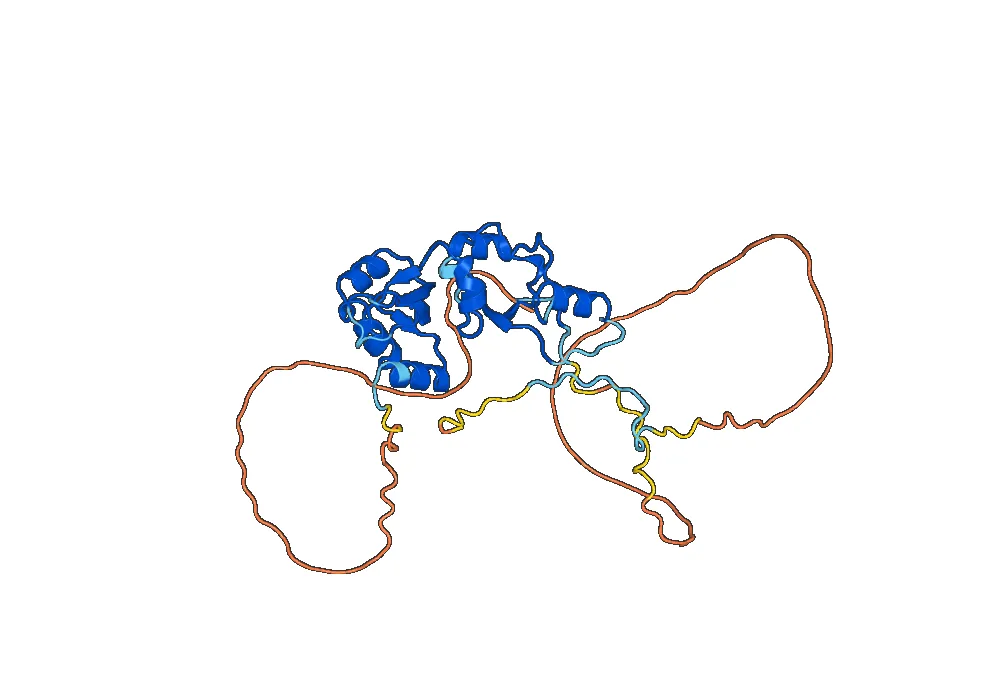
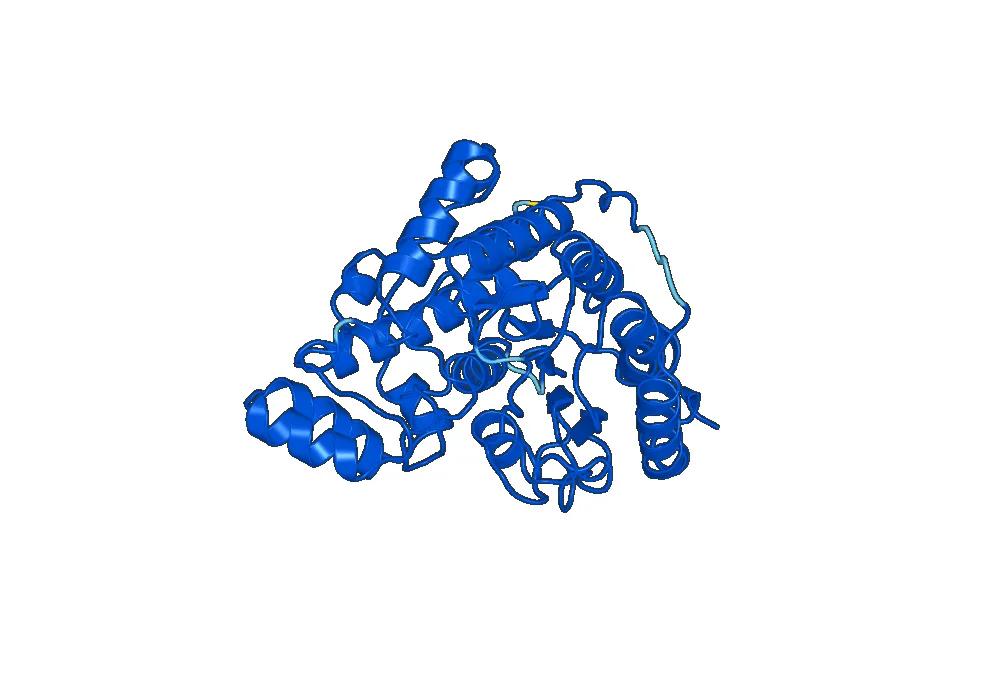
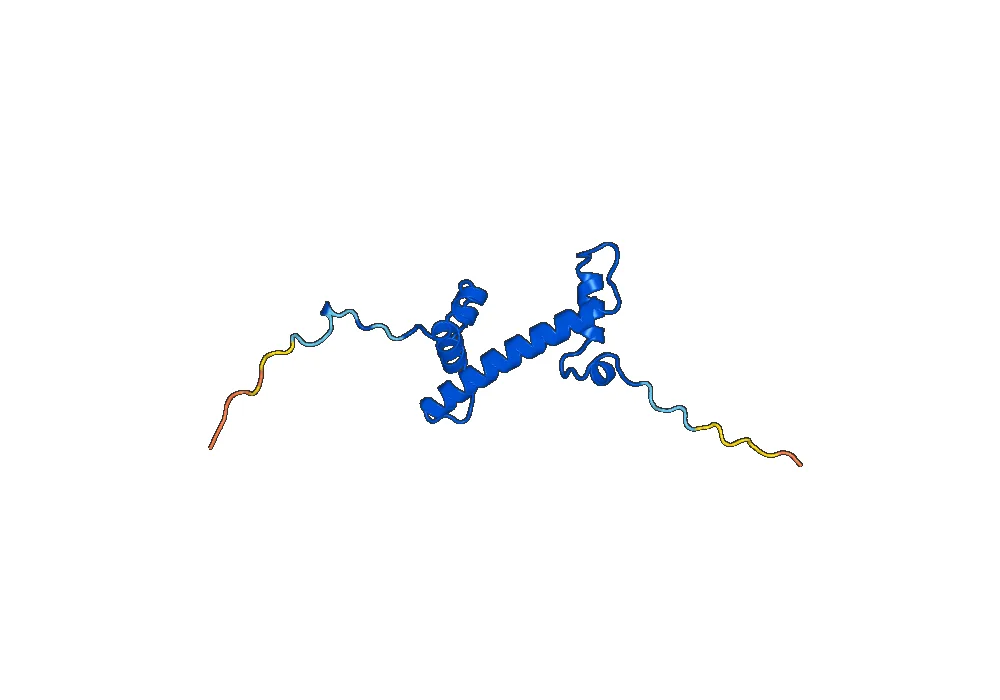
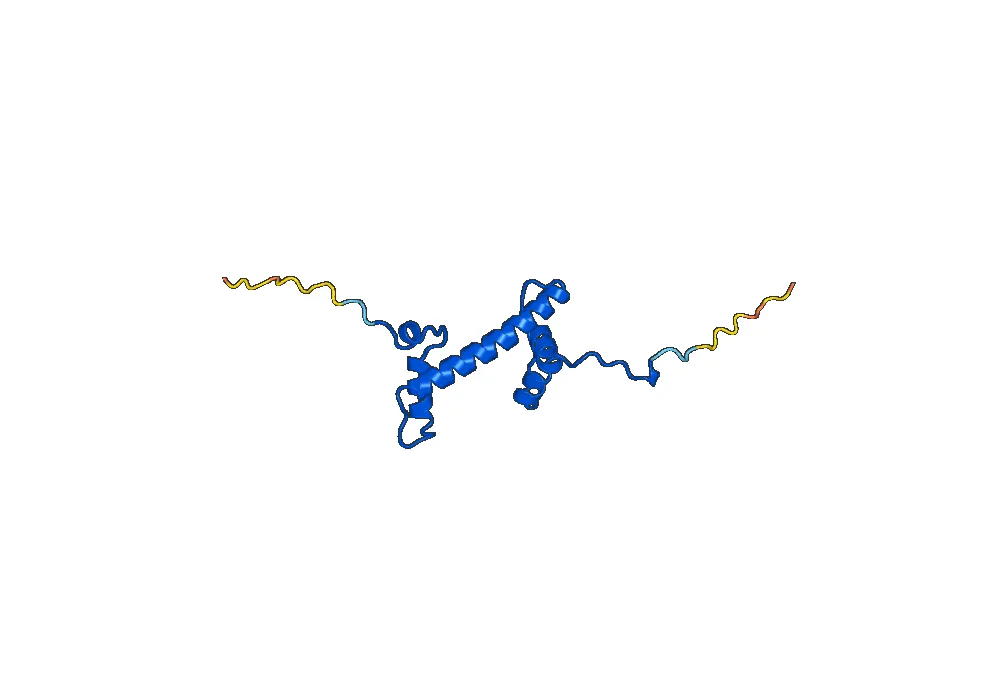
Recombinant Human SMARCC1 Protein is composed of 1,018 amino acids and has a molecular weight of approximately 115 kDa. It belongs to the SWI/SNF family of proteins, which are characterized by the presence of a highly conserved ATPase domain. The protein also contains a bromodomain, a DNA-binding domain, and a helicase domain, all of which are important for its function in chromatin remodeling.
Activity of Recombinant Human SMARCC1 Protein
Recombinant Human SMARCC1 Protein is a key component of the SWI/SNF chromatin remodeling complex. This complex is responsible for altering the structure of chromatin, the complex of DNA and proteins that make up the chromosomes. It does so by using the energy from ATP hydrolysis to move, eject, or restructure nucleosomes, the basic units of chromatin. SMARCC1 acts as a bridge between the ATPase subunits and other components of the SWI/SNF complex, facilitating its function in chromatin remodeling.
In addition to its role in chromatin remodeling, SMARCC1 also plays a role in transcriptional regulation. It interacts with transcription factors and other regulatory proteins to control the expression of genes. This activity is crucial for the proper development and differentiation of cells, as well as for maintaining normal cellular functions.
Application of Recombinant Human SMARCC1 Protein
Recombinant Human SMARCC1 Protein has a wide range of applications in both basic and applied research. It is commonly used as an antigen in studies investigating the function and regulation of the SWI/SNF complex. The protein can be produced in large quantities using recombinant DNA technology, making it readily available for research purposes.
One major application of Recombinant Human SMARCC1 Protein is in cancer research. The SWI/SNF complex has been found to be frequently mutated in various types of cancers, and SMARCC1 is one of the most commonly affected subunits. By studying the structure and function of this protein, researchers can gain a better understanding of how these mutations contribute to cancer development and progression. Additionally, SMARCC1 has been identified as a potential therapeutic target for cancer treatment, making it a promising area of research for drug development.
Recombinant Human SMARCC1 Protein is also used in studies related to neurological disorders. The SWI/SNF complex has been implicated in the regulation of gene expression in the brain, and mutations in SMARCC1 have been associated with intellectual disability and neurodevelopmental disorders. By studying the function and activity of this protein, researchers can gain insights into the molecular mechanisms underlying these disorders and potentially identify new therapeutic targets.
Conclusion
In summary, Recombinant Human SMARCC1 Protein is a crucial component of the SWI/SNF chromatin remodeling complex and plays a vital role in various cellular processes. Its structure and activity make it an important tool for studying chromatin remodeling and gene regulation in both normal and disease states. With its wide range of applications, this protein continues to be an essential tool in advancing our understanding of cellular biology and disease mechanisms.


There are no reviews yet.